
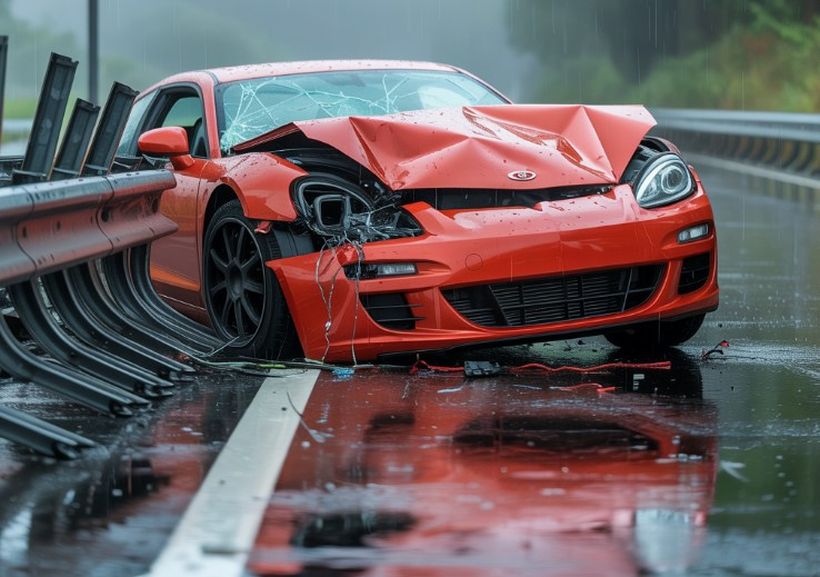
Speeding is one of the most common traffic violations in the United States. According to data from the National Highway Traffic Safety Administration (NHTSA), speeding has been a factor in roughly one-third of all traffic fatalities for decades. While many drivers see speeding as a minor risk, the truth is that excessive speed greatly increases the chances of a crash causing catastrophic injuries.
From broken bones to traumatic brain injuries, the severity of harm skyrockets as speed climbs. Understanding the link between speeding and catastrophic injuries is critical for drivers, passengers, and policy makers alike.
Why Speeding Is So Dangerous
At first glance, driving a little over the speed limit might not seem like a big deal. But even modest increases in speed can have serious consequences because of the laws of physics:
- Less Reaction Time: A vehicle moving at higher speeds covers more distance in the same amount of time, giving drivers less opportunity to react to sudden hazards such as pedestrians, animals, or cars braking ahead.
- Longer Stopping Distance: Speeding vehicles take more distance to come to a complete stop. For example, a car traveling at 65 mph needs about 344 feet to stop, while a car at 55 mph needs around 265 feet. That difference could be the length of a football field.
- Increased Crash Force: The force of impact in a collision grows exponentially with speed. That means a crash at 70 mph is not just slightly worse than a crash at 55 mph.
These factors combine to make speeding crashes far more likely to result in catastrophic injuries compared to accidents at lower speeds.
Common Catastrophic Injuries Caused by Speeding
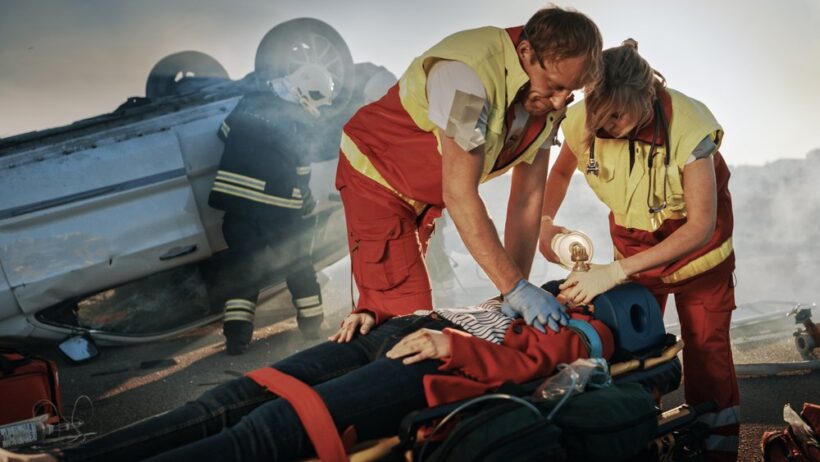
While speeding can lead to a variety of injuries, some are especially severe and life-altering. These are considered catastrophic injuries because they typically cause permanent disability, require long-term medical care, or significantly alter a victim’s quality of life.
1. Traumatic Brain Injuries (TBI)
The violent forces involved in high-speed crashes often cause the brain to slam against the skull. Victims may suffer concussions, hemorrhages, or diffuse axonal injuries. Severe TBIs can result in permanent cognitive impairments, memory loss, or personality changes.
2. Spinal Cord Injuries
Speeding-related crashes frequently involve rollovers or high-energy impacts that fracture vertebrae and damage the spinal cord. This can lead to partial or complete paralysis, drastically changing a person’s ability to work, move, or care for themselves.
3. Amputations
When vehicles collide at high speeds, the crushing forces can result in traumatic amputations or injuries so severe that surgical amputation becomes necessary. Victims face lifelong physical and psychological challenges as a result.
4. Severe Burns
High-speed collisions can rupture fuel tanks or ignite fires. Victims trapped inside a vehicle may suffer life-threatening burns, which require painful skin grafts and can cause permanent disfigurement.
5. Internal Organ Damage
The blunt force trauma from high-speed impacts often leads to ruptured organs, internal bleeding, and other hidden but critical injuries that may not be immediately obvious after a crash.
The Ripple Effect of Catastrophic Injuries
Catastrophic injuries from speeding don’t just affect the injured individual. They impact families, communities, and society at large.
- Medical Costs: Treatment often requires multiple surgeries, lengthy hospital stays, and lifelong rehabilitation. Costs can reach hundreds of thousands or even millions of dollars over a lifetime.
- Loss of Income: Many victims are unable to return to their previous jobs, leaving households financially strained.
- Emotional Toll: Victims and their loved ones face depression, anxiety, and stress as they adjust to a new reality.
- Societal Burden: Taxpayers often shoulder some of the costs through disability benefits, Medicaid, or other public assistance programs.
Speeding and Risk Factors

Not all drivers are equally likely to speed. Research shows that certain groups and circumstances increase the likelihood of excessive speed and severe accidents:
- Young Drivers: Teenagers and young adults are more likely to underestimate risk and engage in risky behaviors like speeding.
- Male Drivers: Men are statistically more likely than women to be involved in fatal speeding-related crashes.
- Night Driving: Speeding accidents are more common at night when visibility is reduced.
- Alcohol Use: Intoxicated drivers are more prone to speed and less able to control their vehicles.
Preventing Speed-Related Catastrophic Injuries
Reducing speeding-related injuries requires both personal responsibility and systemic changes.
For Drivers
- Obey Speed Limits: Posted limits are not arbitrary. They’re set based on road design, traffic flow, and safety research.
- Adjust for Conditions: Even when the speed limit is higher, reduce your speed in poor weather, heavy traffic, or construction zones.
- Use Technology: Many modern vehicles include speed limit warnings or adaptive cruise control that can help drivers avoid excessive speeds.
For Communities and Policy Makers
- Enforcement: Increased police presence and speed cameras can deter dangerous driving behaviors.
- Road Design: Traffic-calming measures like speed bumps, roundabouts, and narrower lanes can naturally reduce speeds.
- Public Awareness Campaigns: Highlighting the real dangers of speeding can shift cultural attitudes toward safer driving.
Why Legal Help Matters After a Speeding Crash
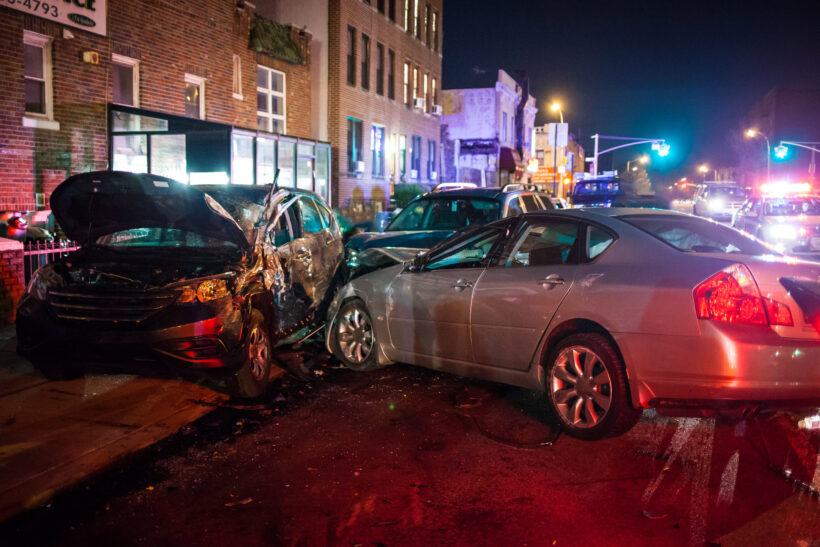
When catastrophic injuries result from a speeding accident, victims and their families often face overwhelming challenges. Insurance companies may attempt to minimize payouts, arguing that the victim shared responsibility for the crash. An experienced personal injury attorney can help by:
- Investigating the accident to prove speeding was a factor
- Working with medical experts to calculate long-term costs of care
- Negotiating with insurance companies for fair compensation
- Taking the case to trial if necessary to pursue justice
Speeding may feel like a way to save a few minutes on the road, but the risks far outweigh the rewards. Higher speeds mean less reaction time, greater stopping distances, and exponentially more destructive crashes. The result? A much higher chance of catastrophic injuries that change lives forever.
By obeying speed limits, driving responsibly, and supporting community efforts to curb speeding, we can all help reduce the toll of catastrophic injuries on our roads.
