
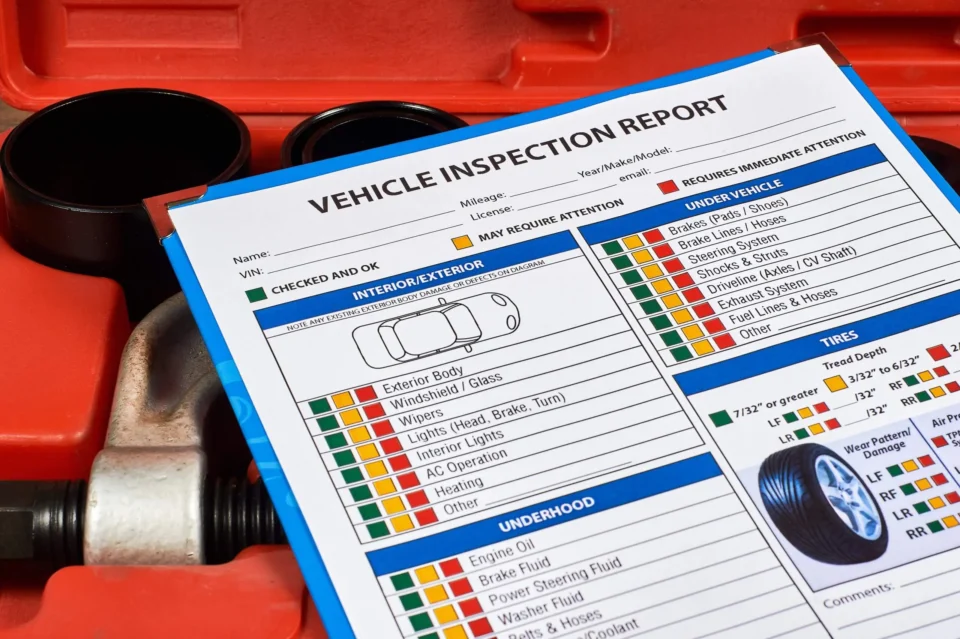
Beyond 100,000 miles, vehicles start to wear in ways that are more difficult to predict. In addition, they get more widespread. Failure, by this point, is not so much an occurrence of a single component. It is a failure of one component affecting another connected component. This could be either:
- Mechanically
- Electrically
- Fluid systems.
Most failures at this stage are not sudden. They usually progress from minor inefficiencies that go unnoticed during routine driving in Virginia Beach.
We will tell you what to expect from these problems in their development. This will help you to interpret symptoms on time and prevent recurring breakdown cycles.
Worn transmission components
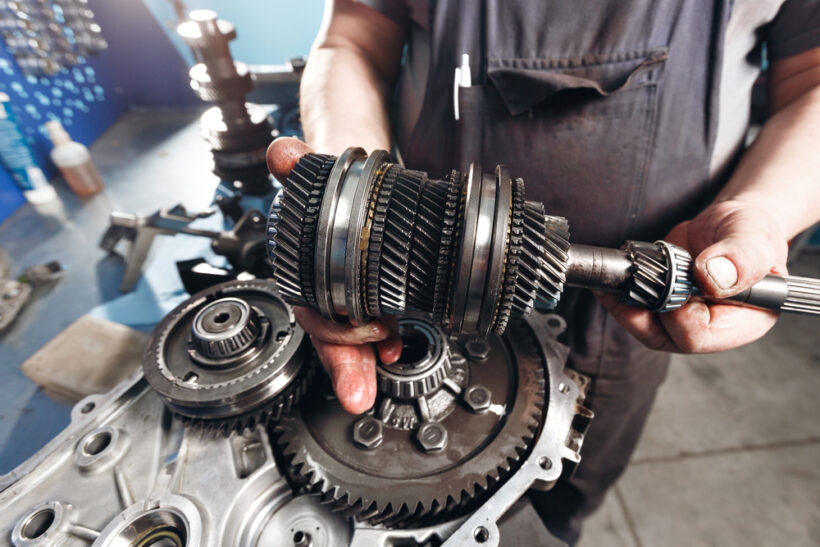
The transmission in high-mileage vehicles may begin to exhibit signs of wear and tear before it fails. These signs are typically intermittent.
Delayed engagement can occur in automatic transmissions. You may notice this when shifting from park to drive and reverse. Gear changes may not be as fluid, particularly between lower gears. The transmission can even “hunt” between gears at a constant throttle in some instances.
Fluid degradation is a major factor. When transmission fluid is old, it becomes less viscous and less heat-resistant. This results in issues with:
- Hydraulic pressure
- Clutch engagement.
Internal clutch packs and valve bodies are particularly sensitive to fluid condition.
Manual transmissions are less complex. But they still experience synchronizer wear. This leads to difficulty engaging certain gears. This indicates that it’s time for your Car Repair Virginia Beach VA.
Engine wear and loss of efficiency
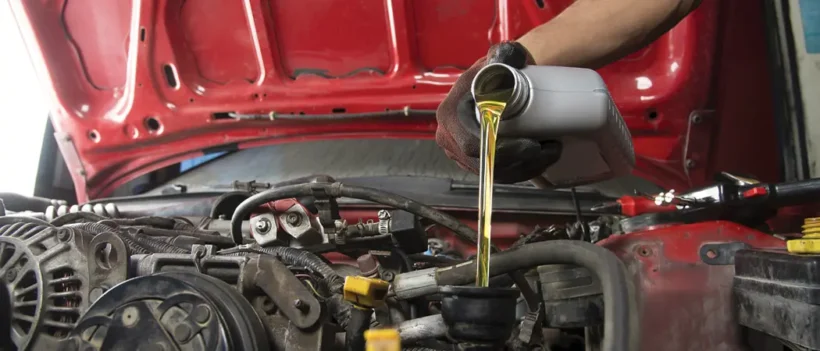
High-mileage engines can still run. But they are outside the range of their original design. The most common issues are related to:
- Sealing
- Lubrication control
- Combustion stability.
The piston rings and valve seals wear out. This can result in slow oil consumption.
Compression loss can also occur. This can happen in one or more cylinders:
- Rough idle
- Decreased power
- Increased fuel consumption.
Another common problem is carbon deposits. They may occur in the inlet valves and combustion chambers. Particularly in direct fuel injection engines. This impacts airflow and fuel atomization. The result is a misfire at low throttle and during cold starts.
Timing components are also critical at this stage. Timing belts may be close to or past their recommended replacement. Timing chains can develop slack from worn-out tensioners and guides. Both conditions have an impact on timing accuracy and engine smoothness.
Cooling system degradation
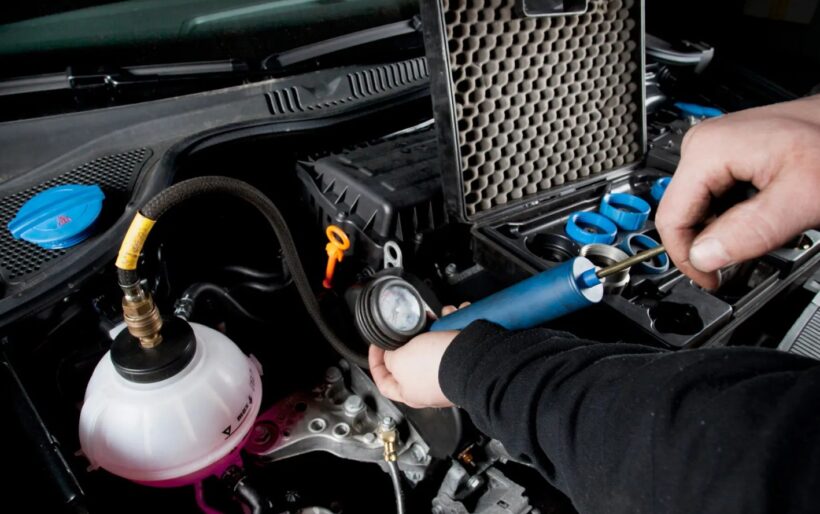
A cooling system can generally be expected to exhibit wear and tear around the 100,000 to 150,000-mile mark. It might still operate normally. But the system is less reliable in a stressful situation.
Radiators can suffer from internal blockages or from fin corrosion on the exterior. Both situations decrease the ability to exchange heat.
Water pumps can leak due to worn seals. Thermostats may remain in a partially open or partially closed position. This leads to temperature fluctuations.
Heat cycling increases the risk of cracking of hoses and plastic fittings. A small leak in the coolant is usually the first sign of trouble. Sometimes the loss of internal pressure occurs without any drips.
Suspension fatigue
After 100,000 miles, suspension systems get tired. Especially in rough terrain.
Over time, the shock absorbers lose their damping efficiency. You may notice that:
- The car bounces too high after bumps
- It becomes less steady when turning corners.
Usually, tire wear patterns give an earlier warning.
With time, control arm bushings and ball joints can start to loosen. They cause general poor handling of the steering and slight alignment instability. Steering racks can also develop internal wear. This results in small dead zones around the center position.
You might also notice that low-frequency noise gets louder with speed increases. This may indicate that wheel bearings are starting to fail. A load test can confirm bearing wear.
Brake system wear
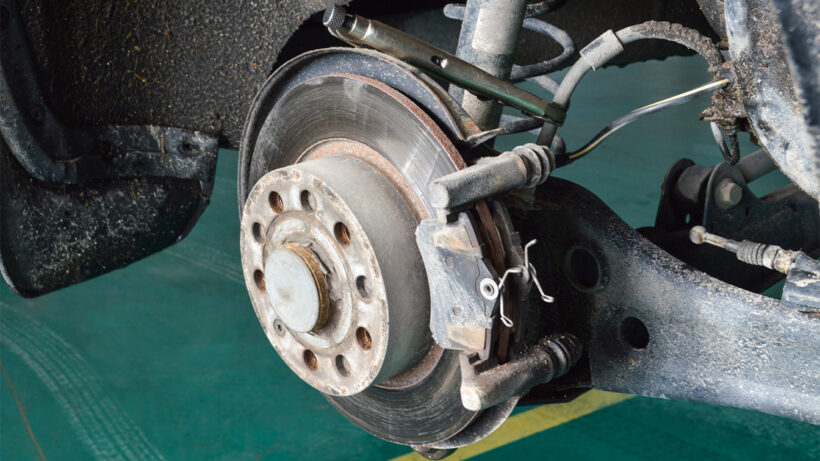
This goes beyond pad and rotor wear. Hydraulic and mechanical components start to wear out simultaneously.
Brake caliper slide pins can get stuck. In some cases, they might slip out of place. This causes:
- Uneven wear of the pads
- A pulling feeling when
Rubber brake hoses also swell and lose pressure. Hence, lower pedal firmness.
The brake fluid itself tends to absorb moisture as it ages. This reduces the boiling point and compromises braking performance in multi-stop driving conditions.
Most of the time, ABS components are reliable. But they can suffer from sensor problems caused by contamination or wiring fatigue.
Electrical system instability
Electrical systems also age. They include:
- Wiring insulation
- Connectors
- Grounding points.
Battery capacity reduces. In addition, its voltage stability under load is compromised. This can result in the intermittent starting problem. It may not be directly connected to the battery failure.
There is a possibility of diode and regulator failure. It can cause the alternator to give inconsistent charging output. This leads to multiple warning lights even if the car looks ok.
Another frequent failure point is the sensors. They include:
- Oxygen sensors
- Mass airflow sensors
- Wheel speed sensors.
They can deteriorate slowly and have an impact on:
- Fuel mixture control
- Transmission action
- Stability systems.
Another common but unnoticed problem is corrosion in the grounding points. Particularly on vehicles that are in contact with moisture or road salt.
The wear of fuel systems
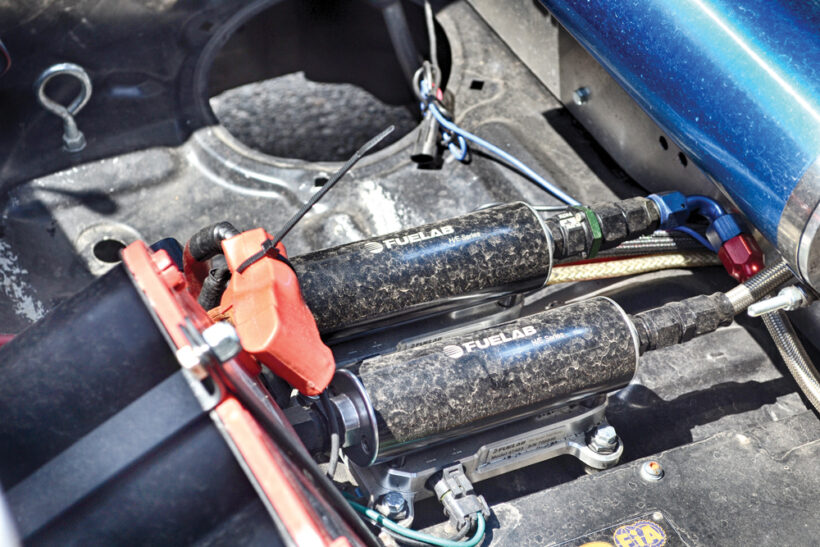
Fuel pumps and fuel injectors are constantly working throughout the life of the vehicle. They can experience a slow decrease in performance.
Fuel pumps can become impaired and lose pressure capacity with time. This causes:
- Loss of cruise ability
- Difficulty starting if the fuel tank is low on fuel.
This wear can be accelerated if fuel filters are not changed regularly.
Injectors may partially block. This causes an uneven distribution of fuel to the cylinders. It can manifest in the form of:
- Rough idle
- Minimal misfires
- Decreased fuel economy.
For diesel engines, problems with the injectors and high-pressure fuel pump are more likely to occur at high mileage. Particularly if fuel quality has been inconsistent and more so over time. Luckily, specialists from the London Bridge Auto and Transmission Repair Shop Virginia Beach can fix these problems.
Concluding thoughts
Vehicles that are 100,000 miles or more have several common failure points. After this point, the patterns of deterioration are the result of cumulative wear.
If you catch the signs early, you will be able to differentiate between normal aging and increased wear that needs some intervention.
