
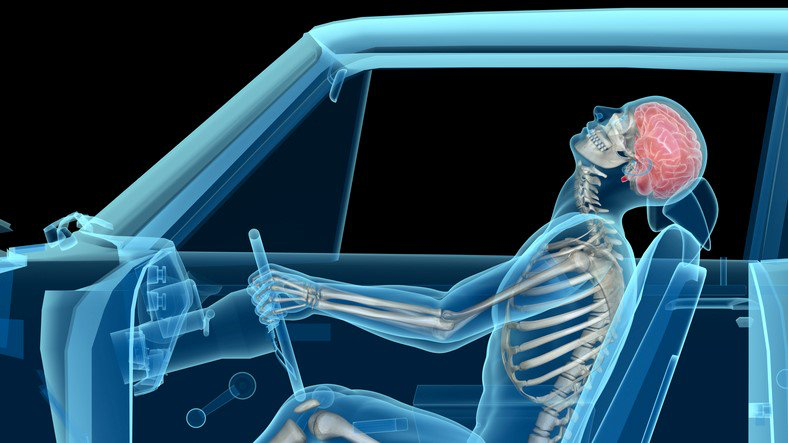
Car accidents are one of the leading causes of traumatic brain injuries (TBIs) in the United States. Even a seemingly minor collision can result in head trauma with life-changing consequences. When victims pursue compensation, the presence of a TBI often makes the case more complex, higher-stakes, and harder fought by insurance companies.
Understanding how a TBI affects your claim is critical if you or a loved one has suffered such an injury in a crash. Below, we break down what TBIs are, why they complicate settlement negotiations, and what factors can increase the value of these claims.
If you were injured in a crash, contact Greg Monforton & Partners today to schedule a free legal consultation.
What Is a Traumatic Brain Injury?

A traumatic brain injury occurs when an external force disrupts the brain’s normal function. In car accidents, this often happens through:
- Direct impact: hitting the steering wheel, dashboard, or side window
- Rapid deceleration: the brain striking the inside of the skull (known as a coup-contrecoup injury)
- Penetrating trauma: debris or shattered glass causing damage
Symptoms can range from headaches and dizziness to memory loss, cognitive impairments, and long-term disability. Because TBIs often require ongoing treatment and may not fully heal, they play a unique role in personal injury cases.
In legal cases, it also matters how severe the injury is classified. Mild TBIs such as concussions may resolve in weeks, yet many patients continue to experience “post-concussion syndrome,” with lingering headaches and memory lapses.
Moderate TBIs often bring measurable cognitive deficits, difficulty concentrating, or impaired coordination, which can affect everyday activities like driving or returning to work. Severe TBIs may involve extended unconsciousness, permanent disability, or full-time care needs, dramatically changing a family’s future.
Why TBIs Increase the Value of Car Accident Claims
Insurance companies and courts recognize that brain injuries are among the most serious harms a victim can endure. They impact not only health, but also career, relationships, and independence. Settlement values in TBI cases are typically higher because they account for:
- Extensive Medical Costs
TBIs often require emergency care, hospitalization, neurological testing, and rehabilitation. Some victims need lifelong medications, surgeries, or in-home nursing support. - Lost Wages and Reduced Earning Capacity
A person with a TBI may be unable to return to their former job—or to work at all. Settlement demands include both current income losses and projected future losses. - Pain and Suffering
Brain injuries often lead to headaches, sleep disturbances, anxiety, depression, and personality changes. Compensation reflects the profound impact on quality of life. - Future Uncertainty
Unlike a broken bone, brain injuries may worsen over time. Settlements must account for potential deterioration, such as cognitive decline or the onset of degenerative conditions.
Common Challenges in TBI Settlement Cases

Despite their seriousness, TBIs are not always straightforward in a legal context. Insurance companies may attempt to downplay the injury or shift blame. Some of the biggest challenges include:
- Proving the Injury Exists
TBIs are sometimes called “invisible injuries” because CT scans or MRIs do not always show clear damage. Defense attorneys may argue symptoms are exaggerated or unrelated to the accident. - Linking the Injury to the Accident
Insurers may claim a victim’s symptoms stem from prior medical conditions, aging, or unrelated incidents. Establishing a clear timeline of symptoms is critical. - Calculating Long-Term Costs
Because the future effects of a TBI are uncertain, lawyers often rely on medical experts, life care planners, and economists to project financial needs.
Evidence That Strengthens TBI Claims
Successful settlements depend on gathering strong evidence. This may include:
- Medical records and expert testimony: Neurologists, neuropsychologists, and rehabilitation specialists can explain the injury’s severity and prognosis.
- Diagnostic testing: Imaging, cognitive testing, and evaluations that demonstrate impairments.
- Daily life documentation: Journals, family testimony, or videos showing how the injury has changed the victim’s behavior and abilities.
- Employment records: Proof of missed work, reduced hours, or inability to return to prior duties.
The more compelling the evidence, the harder it is for insurers to minimize the claim.
How Insurance Companies Respond to TBI Claims

Because TBIs often involve six- or seven-figure settlement demands, insurance adjusters are aggressive in defending these cases. Common tactics include:
- Requesting independent medical exams with their own doctors
- Using surveillance to suggest victims are less impaired than claimed
- Offering lowball settlements early, before the full extent of the injury is known
For these reasons, victims should be cautious about signing medical authorizations, giving recorded statements, or accepting early offers without legal guidance.
The Role of Legal Representation
Car accident cases involving TBIs almost always require skilled legal representation. An experienced personal injury attorney can:
- Retain expert witnesses to prove the injury’s impact
- Calculate both current and future damages
- Negotiate aggressively with insurers who undervalue the claim
- Take the case to trial if necessary to secure full compensation
Because TBIs affect victims for a lifetime, the settlement must reflect not just today’s expenses, but decades of potential care and lost opportunities.
Protecting Your Future After a TBI

The link between traumatic brain injuries and car accident settlements is clear: TBIs often result in higher-value claims, but also more resistance from insurance companies. These cases hinge on strong evidence, expert testimony, and careful calculation of long-term damages.
If you or a loved one has suffered a TBI in a crash, do not settle for less than you deserve. Consulting with an attorney ensures your rights are protected and that your settlement covers the full scope of medical care, lost wages, and life changes caused by the injury.
