
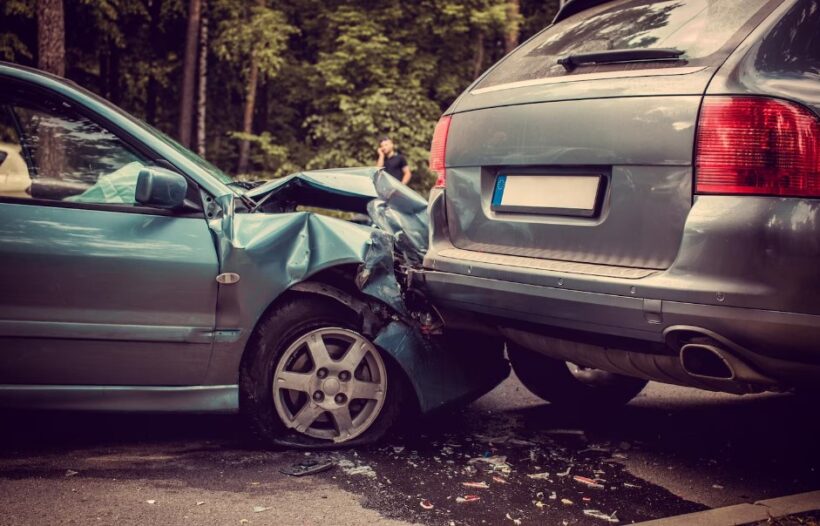
When most people think about the causes of car accidents, they picture distracted driving, speeding, or reckless behavior. While driver error accounts for the majority of crashes, it is not the only factor. Defective vehicle parts play a major role in thousands of accidents every year, leading to serious injuries and, in some cases, fatalities.
From faulty brakes to malfunctioning airbags, defects can turn an ordinary drive into a life-threatening situation. Understanding how defective parts contribute to crashes is critical for both safety and accountability.
The auto accident injury lawyers at TSR Injury Law help crash victims hold liable parties accountable.
What Counts as a Defective Vehicle Part?

A defective vehicle part is any component of a car that fails to function properly due to flaws in its design, manufacturing, or maintenance. These defects can occur at multiple stages:
- Design Defects: Problems built into the product from the very beginning. For example, a poorly designed fuel tank that makes the vehicle more likely to catch fire in a crash.
- Manufacturing Defects: Errors that occur while the part is being made. Even a well-designed component can fail if produced with substandard materials or faulty assembly.
- Marketing Defects (Failure to Warn): When a manufacturer fails to provide adequate instructions or warnings for safe use, drivers may misuse the product and face unexpected dangers.
Any of these defects can directly contribute to a car crash or make the injuries from a crash more severe.
Common Defective Parts Linked to Car Accidents
1. Brakes
Faulty brake systems are one of the most dangerous vehicle defects. If brakes fail, drivers lose the ability to slow down or stop in time, often resulting in catastrophic collisions. Problems can include defective brake pads, leaking brake lines, or faulty anti-lock brake systems (ABS).
2. Tires
Tires are a car’s only point of contact with the road, making them essential for safety. Defective tires may suffer from tread separation, blowouts, or weak sidewalls. A sudden tire failure at high speeds can cause rollovers or loss of control.
3. Airbags
Airbags are meant to save lives, but defective airbags can cause injuries or fail to deploy altogether. The Takata airbag recall highlighted how dangerous faulty airbags can be, with inflators exploding and sending shrapnel into drivers and passengers.
4. Seat Belts
Seat belts are critical in keeping occupants restrained during crashes. A defective latch, retractor, or locking mechanism can cause the belt to fail, increasing the risk of ejection or severe injury.
5. Steering Components
If a vehicle’s steering system malfunctions, drivers may suddenly lose control of their car. Problems with power steering pumps, steering columns, or electronic systems can make it impossible to navigate safely.
6. Fuel Systems
Defective fuel tanks or fuel lines can leak or ignite during a collision, leading to fires and explosions. These types of defects greatly increase the risk of catastrophic injury or death.
7. Electrical Systems
Electrical malfunctions can cause anything from stalled engines to loss of headlights or brake lights, putting drivers and passengers in immediate danger, especially at night or in heavy traffic.
Real-World Consequences of Defective Parts
Defective vehicle parts are not rare. According to the National Highway Traffic Safety Administration (NHTSA), millions of vehicles are recalled each year for safety defects. Some of the most well-known recalls include:
- General Motors Ignition Switch Defect: Caused vehicles to shut off unexpectedly, disabling airbags and leading to numerous fatalities.
- Toyota Sudden Acceleration: Defective accelerator pedals caused unintended acceleration, resulting in hundreds of crashes.
- Takata Airbags: Linked to at least 25 deaths and hundreds of injuries worldwide.
These high-profile recalls demonstrate just how devastating defective parts can be.
Why Defective Parts Are So Dangerous
Unlike human error, which drivers can often correct or anticipate, defective parts strike without warning. A driver may be fully alert, sober, and obeying traffic laws, yet still lose control because of a hidden flaw in their vehicle.
Worse, drivers often have no way of knowing their car contains a defect until a recall is issued—or until a crash occurs. This unpredictability makes defective parts especially hazardous.
Protecting Yourself from Defective Parts
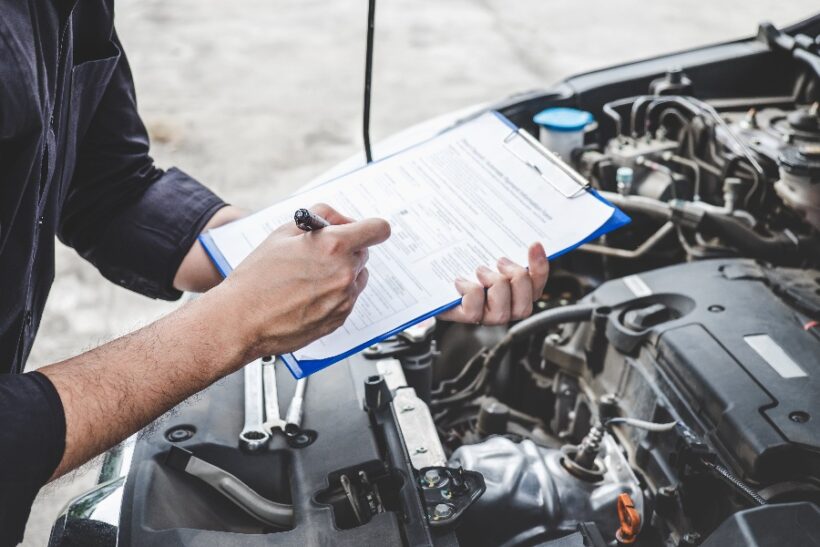
While drivers cannot eliminate all risks, there are steps they can take to reduce the chances of an accident caused by defective parts:
- Stay Informed About Recalls: Check the NHTSA’s recall database regularly to see if your vehicle is affected. Manufacturers are required to fix recalled parts free of charge.
- Schedule Routine Maintenance: Mechanics can sometimes spot early signs of part failure during inspections.
- Respond Quickly to Warning Signs: Unusual noises, dashboard alerts, or changes in vehicle performance should never be ignored.
- Register Your Vehicle: Ensuring your car is registered with the manufacturer helps guarantee you’ll receive recall notices.
Liability in Defective Vehicle Part Cases
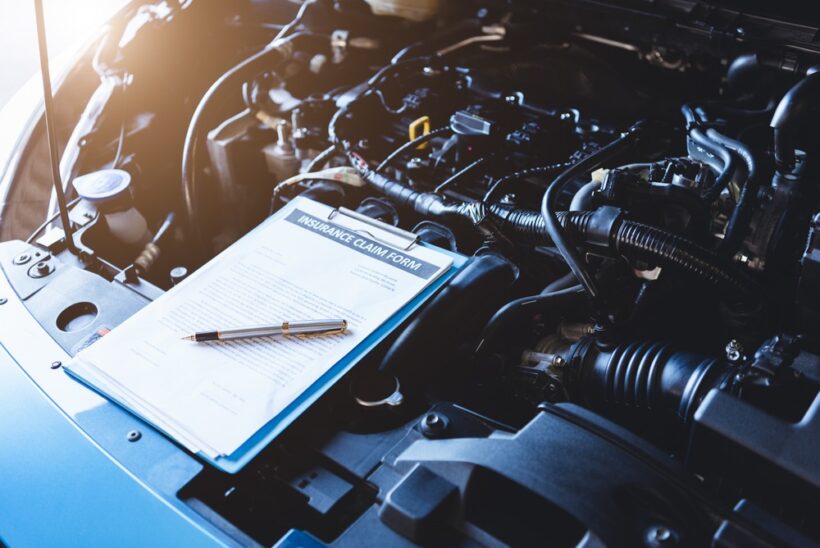
When a defective part causes an accident, determining liability can be complex. Potentially responsible parties include:
- Manufacturers: If the defect arose from a design or production flaw.
- Parts Suppliers: If they provided faulty components to the manufacturer.
- Dealerships or Mechanics: If they improperly installed or failed to repair a part.
Victims of crashes caused by defective parts may be entitled to compensation for medical bills, lost income, property damage, and pain and suffering. However, these cases often require thorough investigation and expert testimony to prove the defect played a role in the crash.
Defective vehicle parts are a hidden danger on America’s roads. From faulty brakes to defective airbags, these flaws can cause devastating accidents that leave victims facing lifelong injuries.
Drivers can protect themselves by staying up-to-date on recalls, maintaining their vehicles, and seeking legal guidance if they suspect a defective part caused their crash. While driver error remains a leading cause of accidents, defective parts remind us that safety also depends on the integrity of the machines we rely on every day.
