
Buying a car is just the beginning of the journey. Keeping it properly insured over the years is what really defines responsible ownership. Many drivers stick with the same policy throughout, even though a car’s insurance needs usually change as it gets older.
That is where comprehensive car insurance becomes relevant, as it offers flexibility in protection, add-ons, and claim scope.
Whether your car just rolled out of the showroom or has been on the road for years, the right coverage depends on value, usage and risk exposure.
What is Comprehensive Car Insurance
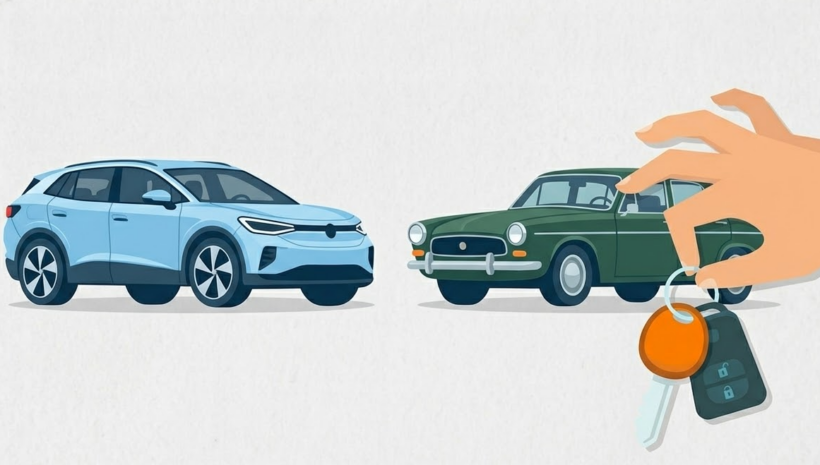 Comprehensive car insurance goes beyond the legal third-party requirement and also covers damage to your own car. It typically applies to situations like accidents, theft, fire incidents, vandalism and certain natural events, as defined in the policy. In simple terms, it is designed to handle not just the losses you may cause to others, but also the repair or replacement costs for your own vehicle.
Car owners, during car insurance renewals, need to reassess whether their existing coverage still fits their vehicle’s age and condition. A plan chosen for a new car may not remain cost-effective after several years, while an older car used more frequently might actually need broader protection.
Comprehensive Insurance for New Cars
New cars come with higher market value and expensive components. Even minor repairs can result in large bills because modern vehicles include sensors, electronics and specialised parts. Comprehensive coverage is usually recommended during the early ownership period for this reason.
Add-ons play a bigger role in newer vehicles. Zero depreciation cover helps reduce deductions on replaced parts. Engine protection is useful in waterlogged cities. Return-to-invoice cover can be valuable if the car is declared a total loss. Since the insured declared value (IDV) is high in the first few years, broader coverage often makes financial sense.
Another factor is financing. Lenders often prefer or require comprehensive coverage until the loan is repaid.
For Older Cars
As a car ages, its IDV drops, which reduces the maximum claim amount. This leads some owners to consider shifting to basic third-party insurance only. However, that decision should not be automatic.
Older cars may face more frequent repair needs. If the vehicle is still used daily or parked in open areas, comprehensive insurance can still be practical. The difference is in add-on selection. Instead of zero depreciation, owners may prioritise roadside assistance or consumables cover. The goal shifts from maximum payout to practical risk coverage at a reasonable premium.
If repair costs are likely to exceed the car’s value, scaling down coverage can be logical. But if the car remains reliable and regularly driven, staying with comprehensive protection may still be justified.
New Car vs Old Car Insurance: Quick Comparison
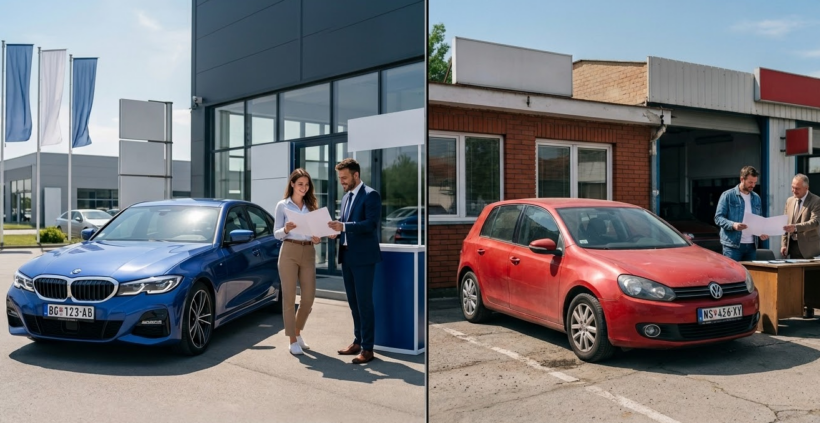
| Factor | New Car | Old Car |
| Insured Declared Value (IDV) | High | Low (decreases with age) |
| Insurance Premium | Higher due to higher value | Lower due to depreciation |
| Recommended Coverage | Comprehensive insurance | Depends on usage (comprehensive or third-party) |
| Add-Ons | Essential (zero depreciation, engine protection, return-to-invoice) | Selective (roadside assistance, consumables) |
| Repair Costs | Expensive due to advanced parts | Lower, but more frequent repairs possible |
| Risk Exposure | High financial loss if damaged | Lower financial loss but higher wear and tear |
| Claim Benefit | High payout potential | Limited payout due to low IDV |
| Best Strategy | Maximum protection | Cost-effective, need-based coverage |
How to Choose Between Comprehensive and Third-Party Insurance
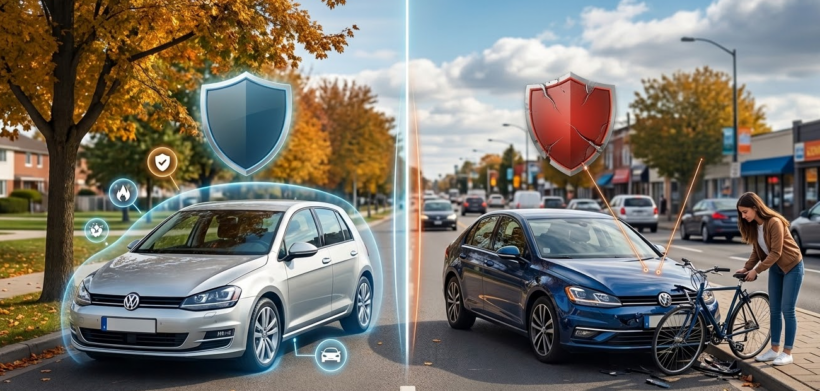 Choosing between comprehensive and third-party insurance depends on how much financial risk you are willing to take and how you use your car. While third-party insurance meets the legal requirement, it does not cover damage to your own vehicle.
Comprehensive insurance, on the other hand, offers broader protection but at a higher cost. The right choice comes down to balancing your car’s value, usage, and exposure to risk.
Consider the following factors before deciding:
- Car age and value
New or high-value cars benefit more from comprehensive coverage, while older cars with low IDV may not justify higher premiums. - Usage frequency
Daily driving increases the likelihood of accidents, making comprehensive insurance more practical. - Repair and replacement costs
If repairs are expensive, comprehensive coverage helps avoid large out-of-pocket expenses. - Location and risk exposure
Cars used in crowded cities or parked in open areas face higher risks of damage or theft. - Budget vs protection
Third-party insurance is cheaper, but it shifts all repair costs to you. - Loan or financing requirements
Financed vehicles often require comprehensive insurance until the loan is cleared.
A careful evaluation of these factors helps ensure your insurance remains aligned with your car’s real-world needs.
Ensure Protection for Your Car with TATA AIG
Coverage needs are not the same for a brand-new car and a long-owned one. The right comprehensive car insurance plan depends on value, usage pattern and risk exposure at each stage.
TATA AIG offers comprehensive car insurance with flexible add-ons, clear coverage terms and options suited for both new and older vehicles. With structured policy features and a streamlined car insurance renewal process, TATA AIG helps drivers update their protection in line with their car’s real-world needs.
