
Car manufacturers constantly strive to refresh their models with restyling and redesigns. This process can revitalize a vehicle’s appeal, attract new customers, and keep a brand relevant in the competitive U.S. market. Yet, sometimes, the best intentions go awry. A redesign intended to improve a model instead alienates loyal fans, leads to poorer customer reviews, and results in disappointing sales.
Here, the Indy Auto Man experts in used cars for sale, Indianapolis, explore five of the most notorious car restylings in recent history where new designs backfired, alongside insights into some unsuccessful modern vehicle design trends that manufacturers have since abandoned.
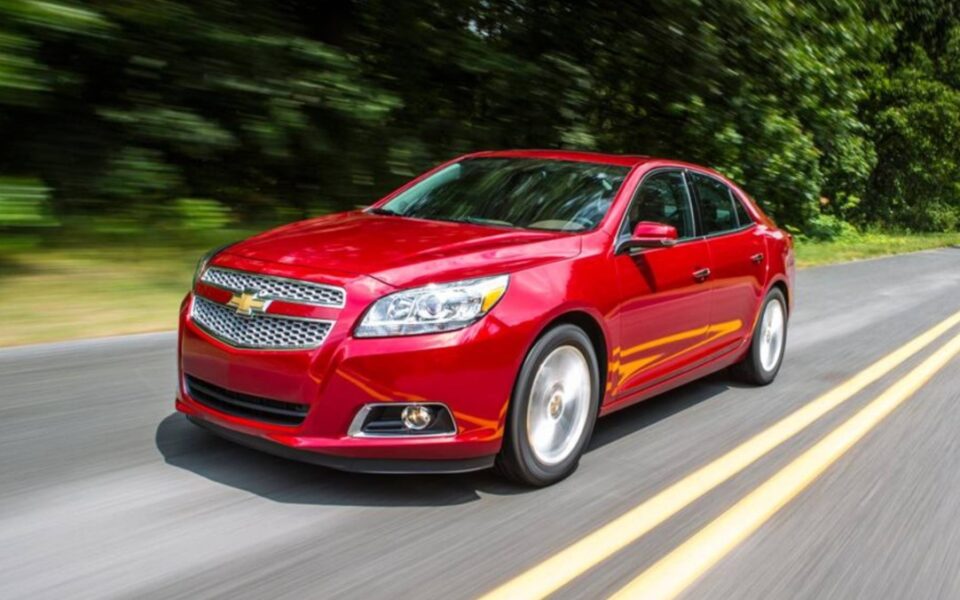
1. Chevrolet Malibu (2013)
Chevrolet’s 2013 Malibu restyling is a classic example of a model that tried to improve on past versions but lost goodwill in the process. The car aimed to offer a quieter, more refined cabin, but it came with a major compromise: the backseat shrank noticeably, reducing passenger comfort.
Consumers who previously enjoyed the Malibu’s spaciousness expressed frustration with the cramped rear. Interior quality issues further contributed to negative feedback. While the new styling was undeniably sleeker and more modern, these changes didn’t resonate positively with buyers, leading to a decline in sales.
2. Ford Focus (2008, American Market Version)
The Ford Focus had built a solid reputation based on its European design and driving dynamics. However, for the American market in 2008, Ford chose to “Americanize” the Focus, stripping away much of the style and quality that had earned respect overseas.
The result was a downmarket version that lacked flair and felt like basic transportation rather than a desirable compact car. American buyers quickly voted with their wallets, preferring other models, and Focus sales took a hit. Later, reintroducing a Euro-style Focus helped Ford recover some lost ground.
3. Scion tC (2011)
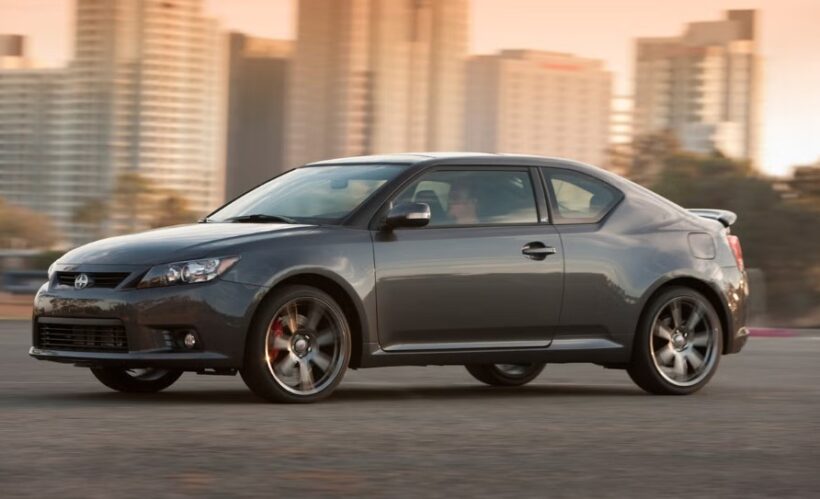
The Scion tC had earned a loyal following as a fun, affordable sporty coupe with an upscale-feeling interior. However, the 2011 restyling saw a cheaper cabin with lower-quality materials, which diluted the model’s cachet.
Many buyers saw the redesign as a step backward, with interior downgrades. Sales declined as the tC lost some of its original appeal.
4. Nissan Quest (2004)
Nissan’s 2004 redesign of the Quest minivan was bold — it introduced futuristic, bulky styling and multiple sunroofs. However, this radical departure from traditional minivan design didn’t sit well with conservative buyers.
The new look polarized opinions and lost mainstream appeal, pushing the Quest into a niche market. Sales dropped because many consumers preferred more conventional, family-friendly designs over Nissan’s avant-garde experiment.
5. Volkswagen Jetta (2011)
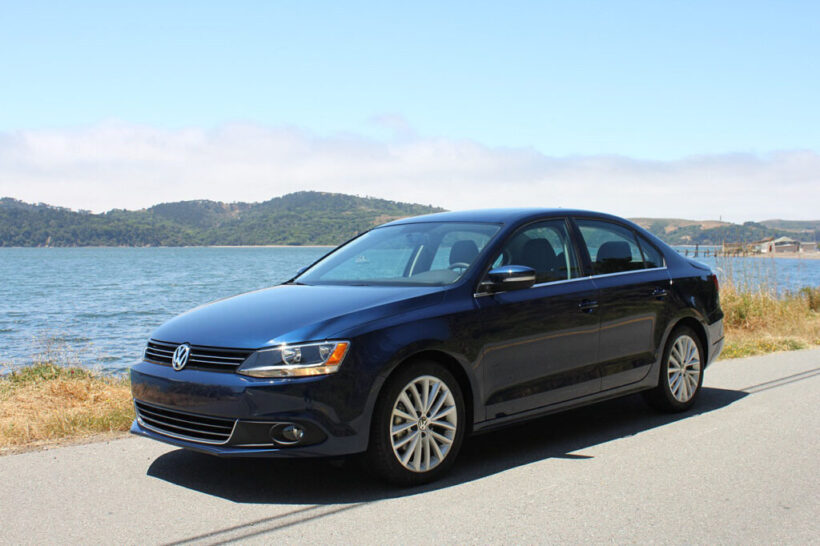
Volkswagen’s Jetta was a popular compact sedan known for offering good value. But the 2011 redesign failed to maintain this balance, as the model became pricier yet featured a less impressive interior.
Buyers balked at paying more for a car that felt like a downgrade in quality inside. This misstep caused a significant sales dip, highlighting how increasing price without matching perceived value can backfire.
6. Chrysler Sebring (2007)
When Chrysler redesigned the Sebring in 2007, it was meant to compete in the crowded midsize sedan segment. Instead, the new model was widely criticized for its awkward styling, underwhelming interior, and lackluster driving experience.
The angular design, cheap-feeling cabin, and poor performance turned off both critics and consumers. Sales dwindled, and the Sebring became a symbol of Chrysler’s struggles before its reorganization. The model’s lack of refinement also exposed how far behind Chrysler was compared to Japanese and Korean competitors. Buyers who wanted reliability and polish looked elsewhere, leaving the Sebring as one of the most forgettable sedans of its time.
7. Acura TL (2009)
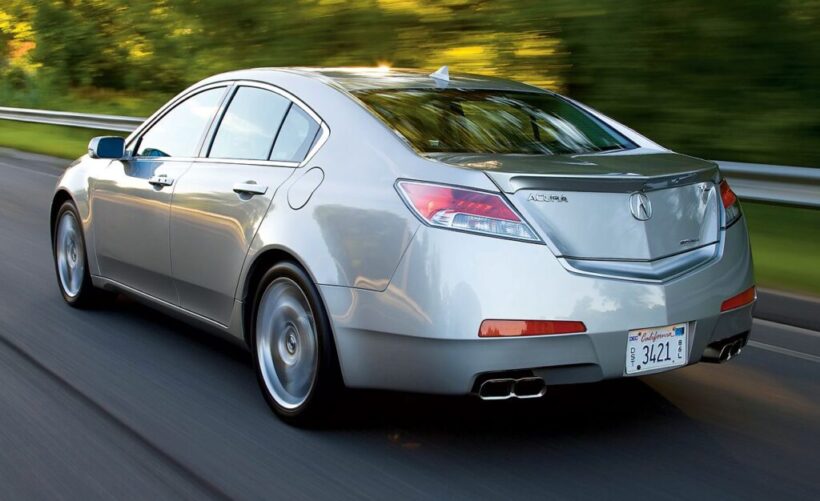
Acura’s 2009 TL redesign is remembered for its oversized “beak” front grille, which divided opinion sharply. Loyal buyers who once appreciated the TL’s understated luxury found the new styling polarizing and aggressive.
While the car’s performance and reliability were still strong, many customers couldn’t look past the controversial front-end design. Sales dropped, and Acura later softened the look in response to criticism. Unfortunately, by then, the brand had already lost momentum in the luxury sedan market, as competitors like BMW and Lexus capitalized on Acura’s misstep. The grille became a defining example of how one design choice can overshadow an otherwise capable vehicle.
8. Jeep Compass (2007)
When Jeep introduced the Compass in 2007, it was supposed to attract new buyers seeking a compact SUV. However, the redesign and positioning didn’t align with Jeep’s rugged off-road image.
Critics slammed the Compass for its bland styling, underpowered engine, and lack of traditional Jeep toughness. Customers who expected adventure-ready capability were disappointed, leading to a weak reception. Its plasticky interior and uninspiring ride quality further highlighted its shortcomings. Although Jeep eventually redeemed the Compass with a more capable second generation, the original model remains an example of how diluting brand identity can alienate loyal fans and fail to win over new ones.
Unsuccessful Modern Vehicle Design Solutions Manufacturers Abandoned
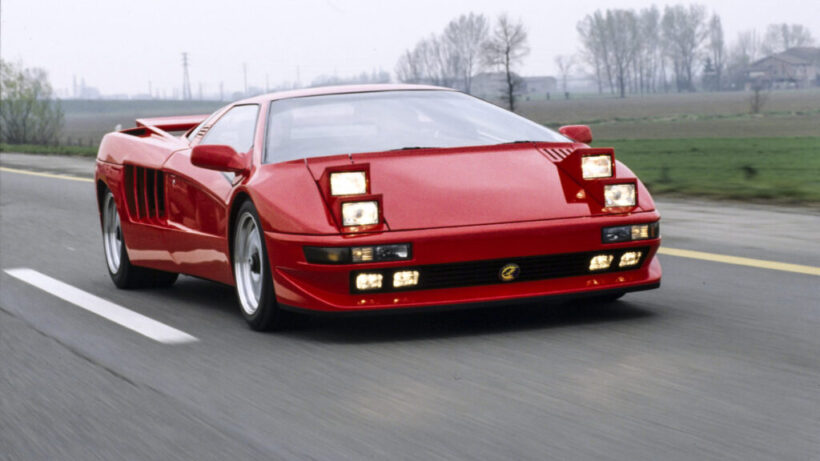
Many dramatic car design ideas have surfaced over the years, but some have not survived consumer demands or safety standards, prompting automakers to abandon them:
- Pop-up headlights: Once a stylish feature, pop-up headlights were dropped for being mechanically complex, costly to repair, and less pedestrian-friendly.
- Yoke steering wheels: Although futuristic, they impaired precise steering control, causing a return to traditional circular wheels.
- Swivel seats: Despite their convenience, swivel seats failed modern safety tests and have fallen out of favor.
- Retractable spoilers: They were prone to malfunctions and offered limited benefits, leading many manufacturers to drop them.
- Automatic seatbelts: Intended to improve safety, these were often uncomfortable and clashed with airbag systems.
- Digital dashboards from the 1980s: Early digital displays were unreliable and hard to read compared to analog, prompting a retreat.
- Built-In vacuum cleaners and personal mini bars: Luxury features that added cost and complexity without strong consumer demand.
- Bubble roofs: Caused overheating and water intrusion issues, leading to their discontinuation.
The Best Is Sometimes the Enemy of the Good
Automakers face immense pressure to innovate and refresh their lineups regularly, but history shows that not all restylings are appreciated.
Established models without problematic restylings often offer more value and peace of mind. In the end, “if it ain’t broke, don’t fix it” remains solid advice in a market obsessed with the next big thing. Popular, proven cars with no major flaws tend to outperform their flashy, redesigned counterparts in long-term ownership experience.
