
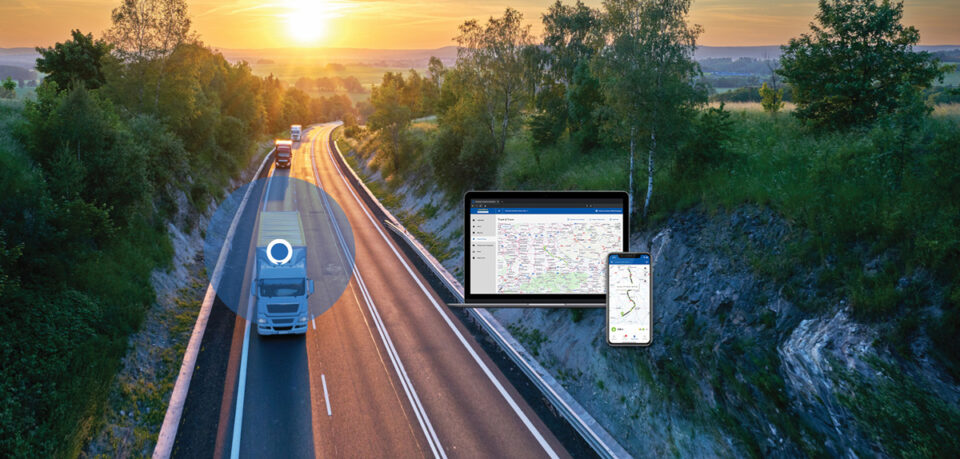
Fleet tracking has become an essential tool for businesses of all sizes that operate vehicles. Whether you manage a handful of vans or a nationwide fleet of lorries, having visibility and control over your vehicles can significantly improve efficiency, reduce costs, and enhance safety. This ultimate guide explains everything you need to know about fleet tracking, its benefits, and how to choose the right system for your business.
What Is Fleet Tracking?
Fleet tracking, also known as vehicle tracking or telematics, uses GPS technology and onboard devices to monitor the real-time location, movement, and performance of vehicles. Data is collected and transmitted to a central system, giving managers a complete overview of their fleet’s activities.
From live maps to detailed reports, this technology helps businesses make smarter decisions, improve customer service, and maintain compliance with industry regulations.
Key Benefits of Fleet Tracking
Boosting Efficiency
By monitoring vehicle locations and routes, businesses can reduce unnecessary mileage, assign the nearest vehicle to a job, and avoid delays. This streamlines operations and saves valuable time.
Cutting Costs
Fuel is one of the biggest expenses in fleet operations. Tracking systems identify wasteful behaviours such as idling, speeding, or inefficient routing. Addressing these issues can result in significant cost savings.
Enhancing Safety
Driver behaviour monitoring allows managers to spot risky habits like harsh braking or speeding. Training and feedback based on this data improve safety and reduce the likelihood of accidents.
Improving Customer Service
With real-time updates, businesses can provide customers with accurate delivery times and faster response rates. This reliability enhances trust and strengthens relationships.
Simplifying Compliance
Fleet tracking automates record-keeping for driver hours, mileage, and maintenance. This ensures compliance with regulations and reduces the administrative burden on staff.
How Fleet Tracking Works

A small device is fitted inside each vehicle to collect data on location, speed, and performance. This information is sent to a central platform via mobile networks or satellite connections.
Managers can then access dashboards and reports on a computer, tablet, or smartphone, allowing them to monitor operations on the go. Many systems also offer custom alerts, such as notifications for speeding or maintenance reminders.
Features to Consider
When selecting a fleet tracking system, look for features that match your business needs:
- Real-time GPS tracking for up-to-the-minute accuracy
- Route optimisation to reduce fuel costs and improve delivery times
- Driver behaviour analysis to support safer, more efficient driving
- Geofencing for monitoring restricted or high-risk areas
- Fuel monitoring to identify inefficiencies
- Maintenance alerts to prevent costly breakdowns
- Integration with payroll, scheduling, or dispatch systems
Who Should Use Fleet Tracking?
Fleet tracking is valuable for any organisation that relies on vehicles. This includes:
- Logistics and delivery companies
- Construction and engineering firms
- Public transport operators
- Waste management services
- Taxi and private hire firms
- Utility providers
Even small businesses with a few vehicles can gain significant benefits in efficiency, safety, and cost control.
The Future of Fleet Tracking
Technology in this field is advancing quickly. Emerging tools such as AI-driven data analysis, predictive maintenance, and electric vehicle monitoring are shaping the future of fleet management. Businesses that adopt these innovations early will enjoy a competitive advantage.
Learn More
For a deeper dive into fleet tracking and how it can transform your operations, explore the ultimate guide to fleet tracking. It provides detailed insights into the benefits, features, and steps to successfully implement a tracking system.
Data Security and Compliance Considerations
Because fleet tracking systems collect vast amounts of sensitive data, from driver behaviour to precise vehicle locations, security is a top concern. Businesses must ensure that data is encrypted and stored securely to prevent unauthorised access. Compliance with regulations such as GDPR is also vital, particularly for companies operating in the UK and EU. Choosing a provider with robust privacy policies and transparent data handling practices will protect both your business and your employees.
Sustainability and Environmental Benefits
Fleet tracking also plays a role in environmental responsibility. By cutting down on wasted fuel and optimising routes, businesses can significantly lower their carbon emissions. Many tracking platforms now include environmental reporting features, allowing companies to measure and showcase their progress toward sustainability goals. With the growing adoption of electric vehicles, fleet tracking will become even more important for managing charging schedules, battery performance, and energy efficiency.
Training and Change Management for Teams
Implementing fleet tracking successfully requires more than technology, it requires people to embrace it. Drivers and staff may initially be wary of tracking tools, viewing them as surveillance rather than support. To overcome this, businesses should invest in training that explains how the data benefits everyone: improving safety, reducing stress, and ensuring smoother operations. Managers also need to be trained to interpret data correctly and use it constructively, not punitively. A culture of transparency and collaboration ensures that fleet tracking becomes a positive tool for all stakeholders.
Conclusion
Fleet tracking has moved from being an optional extra to a vital business tool. It helps companies operate more efficiently, cut costs, improve safety, and deliver better customer experiences. By choosing the right system and using the data effectively, businesses can unlock greater control, visibility, and long-term success.
