
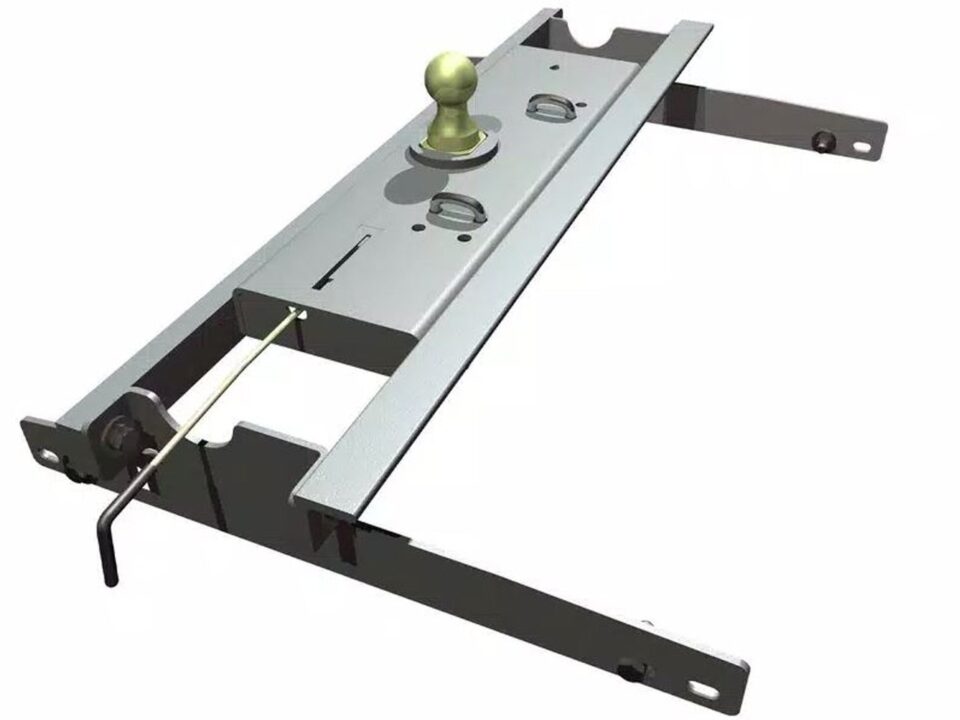
Switching trailers shouldn’t mean breaking out the toolbox or crawling under a vehicle on the side of the road. Smart hauling is all about adaptability, especially when time is tight or trailers vary in height. The turnover trailer ball brings that flexibility right to your hitch—without the sweat and hassle.
With the right model, drivers can switch between trailer types in seconds—making jobs smoother, faster, and safer. This kind of time-saving gear is exactly what today’s towing professionals rely on to stay ahead.
Key Points
- Turnover trailer balls allow for fast, tool-free hitch height adjustment.
- Flip-down mechanisms reduce wear on mounts and sockets over time.
- One hitch setup can accommodate multiple trailer types with ease.
- Drop height is crucial for safe towing and proper load balance.
- Maintenance is simple and boosts long-term performance.
Tow Adaptability in Seconds
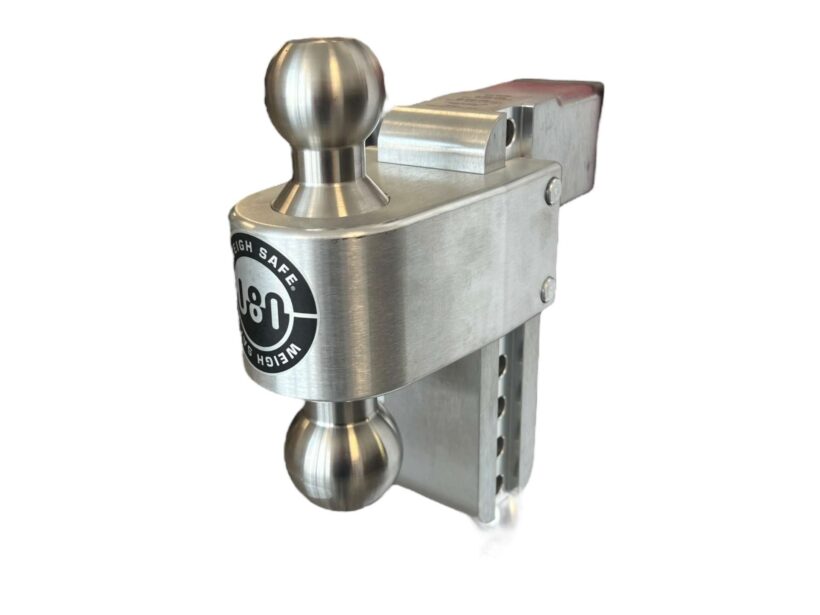
Towing a mix of trailers often brings height mismatches and the hassle of manual hitch swaps. Classic setups force drivers to wrestle with tools, crawl beneath vehicles, or juggle different balls and mounts. These time-consuming changes slow down jobs and add frustration, especially when switching between open utility trailers, enclosed haulers, or equipment carriers.
That’s where an innovative hitch solution changes the game. Quick, on-the-spot height adjustments cut downtime, especially for busy fleets or anyone juggling multiple trailer types.
A rugged model with a flip-down ball design solves the challenge, allowing for seamless transitions between different coupler heights—no more crawling, no separate mounts to store.
Drop-Style Turnover Balls Explained
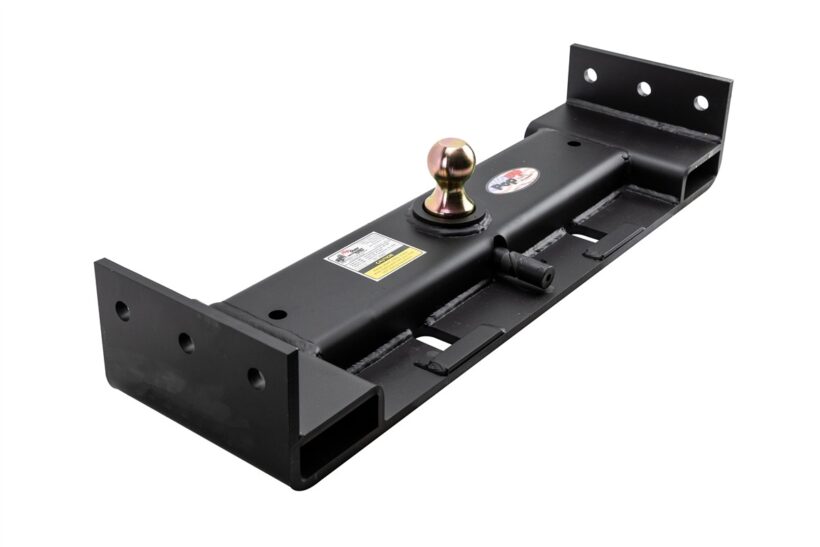
A drop-style turnover ball is a tow ball that pivots or flips within the hitch socket. Unlike fixed hitch balls, it can move out of the way, sit flush, or present different heights—all at the pull of a pin. This adjustability means the same hitch can fit various coupler heights without extra hardware.
Drop measurements vary—common drops range from 2 to 6 inches. The right drop keeps trailers level and balanced, preventing sway and uneven tire wear.
Clearance matters for tall trailers, low-deck haulers, or situations where driveline and bumper angles can cause interference.
The drop-style turnover ball works best for flatbed haulers, RV owners, landscapers, and anyone moving heavy equipment with multiple trailer types.
| Drop Measurement | Best Use Case | Common Vehicles |
| 2″ | Small trailers, light loads | Pickups, SUVs |
| 4″ | Enclosed haulers, campers | Trucks, commercial vans |
| 6″ | Heavy equipment, tall loads | HD pickups, dump trucks |
How to Choose the Right Drop Height
Towing a trailer that’s pitched forward or backward can lead to uneven weight distribution, which affects handling and tire wear.
Too steep an angle might also cause trailer sway or clearance issues during turns and dips. Selecting the right drop height ensures that your trailer rides level with your tow vehicle.
Start by measuring the height from the ground to your hitch receiver, and then measure the height to the bottom of the trailer coupler. The difference between these two measurements is your required drop.
Most turnover balls offer 2″, 4″, and 6″ options to cover common needs. It’s better to slightly under-drop than to overcompensate, but ideally, you’ll match the coupler height as closely as possible.
Take your time setting this up—it affects every mile you drive.
Key Benefits of a Turnover Trailer Ball
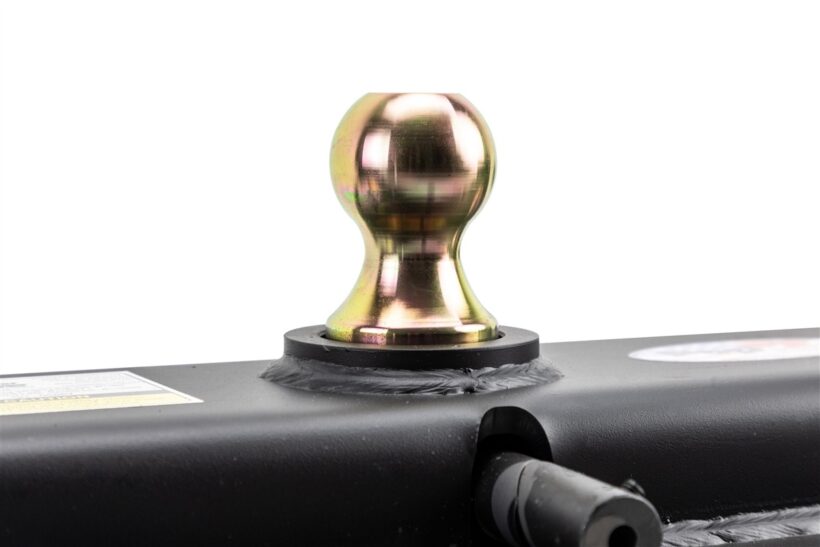
Turnover hitch balls offer clear advantages on the road.
- Fast ball reorientation for changes in trailer height
- Less wear on hitch sockets compared to repeated removal
- Single-unit versatility—no boxes of spare balls or mounts
In real-world use, this means fewer roadside stops. Trips run more smoothly. Maintenance costs shrink because components last longer and fewer tools are needed for adjustments. A B&W turnover ball stands out as a reliable example of this technology in action, offering trusted build quality.
Must-Have Features for Durability
Quality matters, since hitch balls carry heavy loads in tough conditions.
- Forged steel body: Holds up against high stress and torque
- Corrosion-resistant coatings: Protect surfaces from water, salt, and road grime
- Strong locking mechanisms: Safety pins or spring-loaded latches prevent accidental release
- Clear weight-rating labels: Ensure safe matching of tow rig, hitch, and trailer
Checking the accurate spec before use is non-negotiable. Overloading a ball or using units without visible grade stamps risks disaster. Look for clear, permanent markings on every piece.
Installing Your Flip-Down Hitch Ball
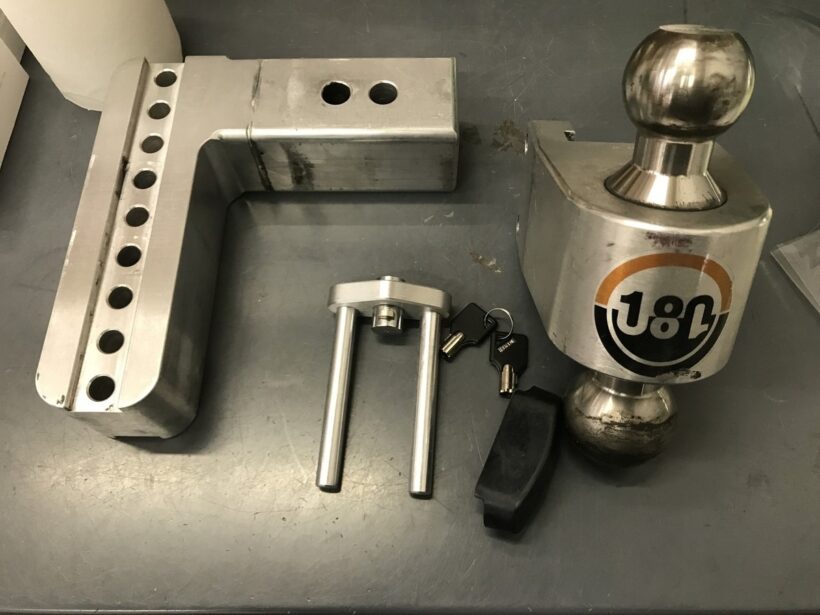
Installation is simple with the right steps:
- Align the hitch socket with the trailer receiver
- Drop the turnover ball into the hitch opening
- Insert and secure the locking pin (use the safety clip)
- Test the pivot movement, ensuring secure engagement
Always follow the torque specifications listed in the manufacturer’s chart for bolts and pins. Under-torquing leads to rattles and slippage, over-torquing can strip or bind parts. Watch out for:
- Loose or missing safety clips
- Over-tightened pins
- Dirt or debris in moving parts
Maintenance and Inspection Schedule
Keep the turnover hitch ball working smoothly with basic upkeep:
- Check pivot action and movement each month
- Inspect pins and latches for wear or bending
- Watch for surface rust—especially near pivot points
Quick fixes include greasing pivots, swapping worn safety clips, or cleaning surfaces with a wire brush. Heavy-use professionals should set a quarterly calendar reminder for detailed inspections and part replacement.
How a Turnover Ball Saves Time on the Job
Efficiency isn’t just about speed—it’s about staying focused and avoiding unnecessary disruptions. A turnover hitch ball keeps the trailer coupling process simple and consistent, whether you’re hauling lawn care gear or construction equipment.
When a driver can switch trailer heights without tools or downtime, that saved time adds up by the end of the week.
For independent contractors or fleet operators, this efficiency becomes measurable—more jobs per day, fewer delays, and less labor fatigue.
It also eliminates small but irritating issues: misaligned couplers, jostling heavy hardware, or redoing connections in rain or mud. These daily frustrations wear on workers and vehicles alike.
In contrast, a quick-pivot turnover ball locks smoothly and stores flush when not needed, streamlining the entire setup. For anyone earning money behind the wheel, minutes matter—and this hitch system saves more than a few.
Next-Level Tow Performance Awaits
A turnover hitch ball completely changes multi-trailer routines. Fast, reliable adjustments save time on the side of the road and protect components from wear.
Review your current hitch setup and see if a drop-style turnover ball might fit your needs. Consider the options and boost your towing flexibility for the jobs ahead.
It’s not just an upgrade in gear—it’s an upgrade in how you work. With less frustration and more control, every mile towed becomes smoother, safer, and more efficient.
