

It happens in seconds — you step away from the cab, door shuts behind you, and you instantly know something’s wrong. Your keys are sitting inside, and your truck is locked tight. For a work truck or long-haul rig, that’s not just an inconvenience; it can throw off deliveries, cost you money, and leave you stranded in unsafe conditions.
This isn’t a time for panic. Instead, you need a clear plan, a few practical tools in mind, and a realistic understanding of when to fix it yourself and when to call in help.
Key Points
- Stop and assess your environment – If you’re on a busy road or in an unsafe area, move yourself to safety before anything else.
- Check all entry points first – Don’t assume every door is locked.
- Use professional help if in doubt – It’s often cheaper than repairing DIY damage.
- Only break in during emergencies – And choose the window carefully.
- Have a prevention plan – Spare keys, lockout tools, and roadside assistance can turn a crisis into a short delay.
Start With the Basics Before Spending a Dime
When frustration kicks in, you might be tempted to call for help right away, but it’s worth taking two minutes to check the simple stuff. Walk around your truck and test every door and window — including passenger-side, rear doors, and sleeper cab access if your vehicle has one.
On some trucks, the rear sliding window is overlooked but can be an easy way in. If you find a window slightly open, you may be able to reach in with a rod or stick without forcing anything.
Also, if you have a newer truck, check if it supports remote unlocking via a manufacturer’s smartphone app. Many Ford, GM, and Ram models have this feature, but you must have set it up in advance. If it’s available, it’s the fastest, safest fix you’ll ever have.
Why Calling a Locksmith Often Makes More Sense
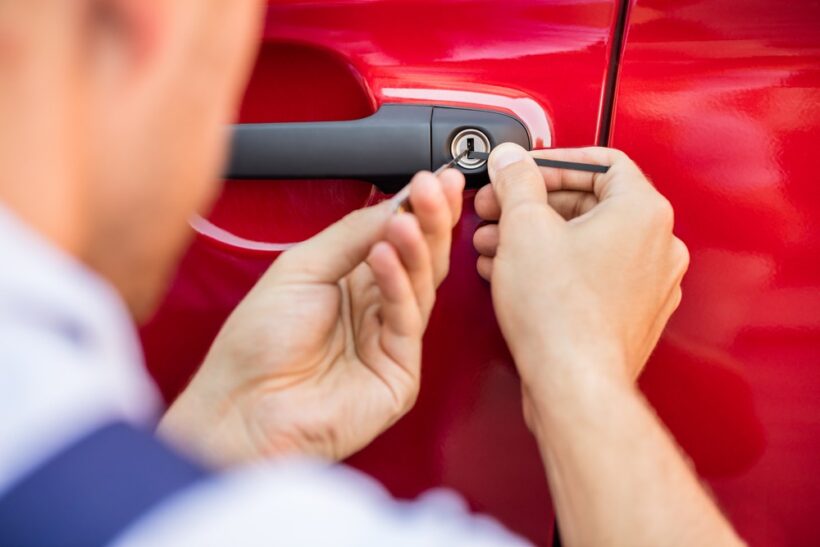
If quick checks don’t work, the choice is simple — attempt a DIY unlock or call in a pro. From experience, I’ll tell you this: unless you’ve done it before, locksmith services are the better investment.
A locksmith with truck experience will:
- Arrive with tools designed for your specific lock type.
- Avoid bending your door frame or damaging seals.
- Handle electronic and chipped keys if you’ve lost the spare.
- Get you moving again in minutes, not hours.
The real advantage? Peace of mind. You won’t risk tearing up wiring in the door panel, triggering the alarm system, or scratching paint while forcing entry. And if you’re on a tight schedule — like most truck owners — that’s worth every penny.
DIY Unlocking Methods – and How to Do Them Safely
If professional help isn’t available — say, you’re in a remote area or it’s late at night — there are some techniques you can try. But each has a learning curve, so approach with caution:
- Wedge and Rod Method
- Slip a plastic wedge or air wedge between the door and frame at the top corner.
- Use a long, thin rod to press the unlock button or pull the handle from inside.
Practical tip: Always use plastic or rubber wedges — never metal — to avoid scratching paint or damaging the frame.
- Coat Hanger Trick
- Works mainly on older trucks with vertical locks.
- Straighten a wire hanger and bend a small hook at the end to catch the lock.
Practical tip: Tape the hook end to prevent scratches on the interior.
- Shoelace Loop
- Only works on post-style locks that lift straight up.
- Tie a loop in the lace, feed it through the door gap, and tighten around the lock before pulling up.
Practical tip: Synthetic laces are slippery and easier to maneuver than thick cotton ones.
These methods can work, but they’re slower if you’ve never practiced them. And if you’re driving a modern truck with shielded locks or complex door panels, you might be wasting time while risking expensive damage.
Emergency Break-In – When It’s Justified
Sometimes, there’s no time for locksmiths or DIY tricks — like when a child or pet is inside and the temperature is rising. In these cases, breaking a window is a justified choice.
- Pick the smallest, cheapest window to replace — usually a rear side window.
- Use a hard, pointed tool like a tire iron or glass breaker, not your fist.
- Aim for a lower corner of the glass, not the center.
- Once broken, clear the loose shards with a thick glove before reaching inside.
Pro tip: If you regularly travel with kids or pets, keep an emergency glass breaker tool in your glovebox or on your keychain.
Preparing So It Never Happens Again
After you’ve dealt with a lockout, put steps in place to avoid a repeat. It’s not just about convenience — prevention saves money, time, and stress.
- Hide a spare key securely – Magnetic lock boxes under the chassis work if they’re out of sight and away from heat sources.
- Join a roadside assistance program – Many plans cover unlimited lockouts.
- Install keyless entry or remote start – Aftermarket kits are affordable and add convenience.
- Keep a lockout tool in your truck – A basic long-reach tool kit with wedges fits under a seat and can be a lifesaver.
- Set reminders before locking – Some drivers put a brightly colored lanyard on the keys to make them harder to forget inside.
Why Truck Lockouts Are More Common Than You Think

Truck owners are often in situations where they’re hopping in and out — loading, unloading, or securing cargo. That constant movement increases the odds of locking the door without realizing the keys are inside.
Automatic locking systems also catch drivers off guard. Some trucks lock automatically when idling for security, which is great for preventing theft but frustrating when you’re just grabbing gear from the bed.
Practical fix? Review your truck’s lock settings. Many allow you to disable automatic locking or adjust the timer so you have more leeway before the doors secure themselves.
Final Thoughts
Locking your truck with the keys inside is annoying, but it’s a problem you can solve without causing more damage. Start with the easy checks, know when to call a pro, and keep a few DIY tricks in your back pocket for emergencies.
And if you’ve ever stood outside your truck on a freezing morning or a scorching afternoon, you know the value of prevention. A spare key, a roadside assistance plan, and a little preparation mean the next time it happens — if it ever does — it won’t throw your whole day off.
