
There are some brands that just feel American. Chevrolet is one of them. Whether you grew up watching bow-tie badges roll down Main Street or you remember your first ride in a family Suburban, Chevy has a way of feeling familiar. This is the story of how that happened, and why it still matters today.
A Rocky Start With Big Dreams
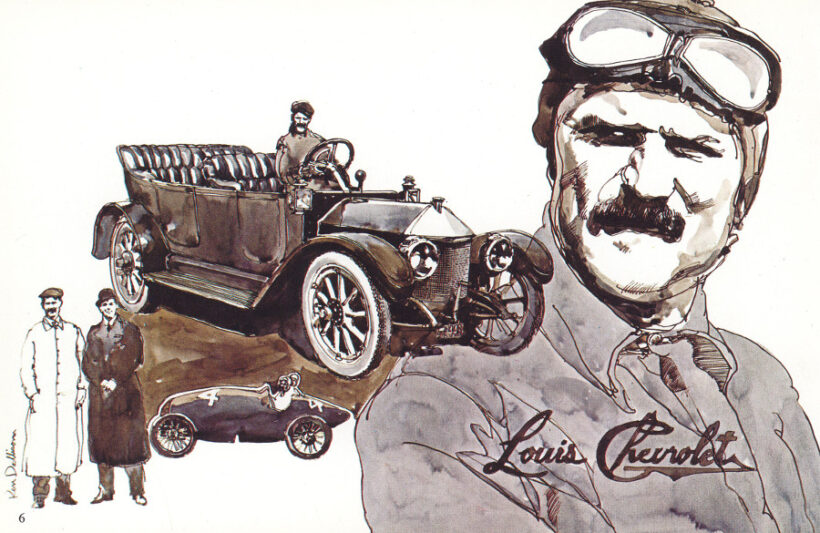
Chevrolet was founded on November 3, 1911, by race car driver Louis Chevrolet and businessman William C. Durant. Durant had previously founded General Motors but lost control of the company in 1910. Starting Chevrolet was, in many ways, his plan to get back in the game.
Louis Chevrolet was a Swiss-born racing legend with serious mechanical talent, but he and Durant clashed almost immediately. Louis wanted to build high-performance vehicles. Durant wanted to build affordable ones for everyday Americans.
Durant won that argument, and Louis actually left the company that bore his name by 1913. If you have ever visited a Chevrolet Dealer in Van Buren AR, you were walking into a legacy that traces back to that exact tension between performance and accessibility, a balance Chevy has been chasing ever since.
Durant used Chevrolet stock to regain control of General Motors in 1918, and from that point forward, Chevy became a cornerstone of the GM empire.
Building A Car For The People
Once Durant had the vision locked in, Chevrolet set its sights on competing directly with Ford. Henry Ford’s Model T was dominating the market in the 1910s, and that was a problem. Chevy needed to be affordable, reliable, and just a little more stylish.
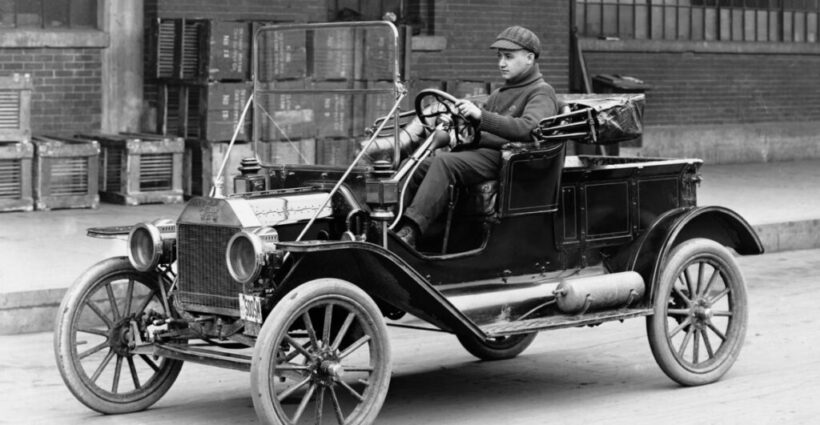
The 1923 Chevrolet Superior was a turning point. It offered features that Ford simply was not matching at the same price point. By 1927, Chevrolet had outsold Ford for the first time in history. That was not a small deal. Ford had been the undisputed king of American roads, and Chevy knocked them off the throne.
A few things that defined early Chevrolet success:
- Consistent improvements to engine performance year over year
- A dealer network that spread aggressively across the country
- Styling that felt modern compared to the utilitarian look of competitors
- A price point that families could actually reach
The Classic Era And The Rise Of The V8
The 1950s are where Chevrolet really became a cultural force. You have to picture what postwar America looked like: economic optimism, suburban expansion, and a deep love affair with the automobile. Chevy was ready for that moment.
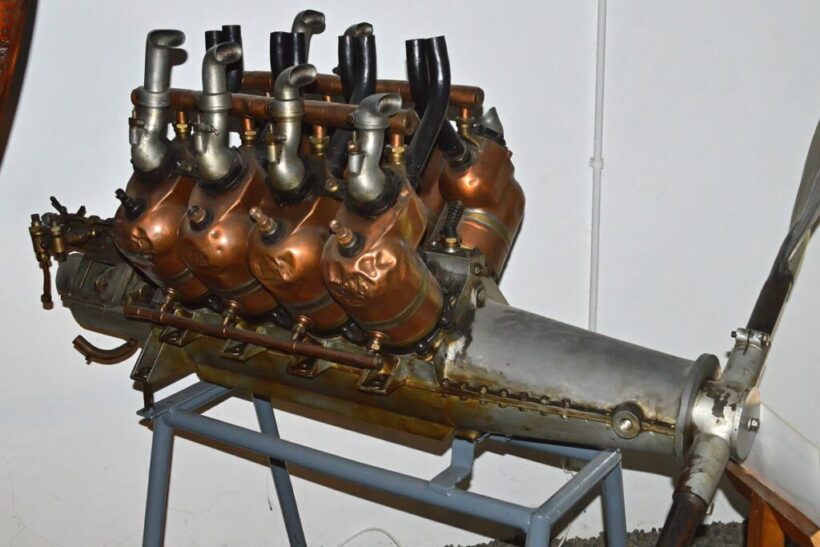
The 1955 Chevrolet Bel Air is still one of the most recognized cars in automotive history. It was beautiful, practical, and came with a brand new small-block V8 engine that changed everything. That engine, the 265 cubic inch V8, was a masterpiece of engineering for its time. It was lightweight, powerful, and adaptable. Variations of that small-block design are still used today. Not many engines can claim that kind of legacy.
Then came the Corvette. Introduced in 1953, it was Chevrolet’s answer to European sports cars. Early production was limited and the first models had some performance critics, but by the late 1950s, the Corvette had found its footing. It became the American sports car, full stop.
The Muscle Car Years
The 1960s pushed Chevrolet into even more exciting territory. You were living in a decade where horsepower was a bragging right and automakers competed like athletes. Chevy showed up ready.
The Chevelle, the Camaro, the Nova, and the Impala all became icons during this era. The Camaro debuted in 1966 as a direct response to Ford’s Mustang, and the rivalry between those two cars became one of the great ongoing stories in American car culture. Chevy dealers could not keep Camaros on the lot.
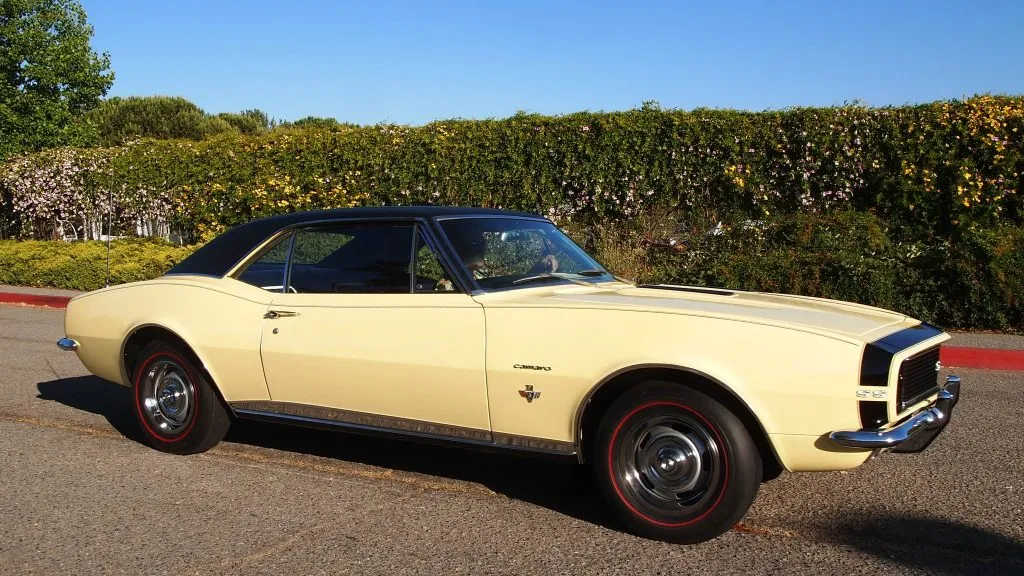
The 1969 Camaro ZL1 is still considered one of the most powerful muscle cars ever built. It came with an all-aluminum 427 cubic inch engine that produced over 400 horsepower. Only 69 were made. If you ever find one, it is worth a serious amount of money.
Trucks, Trucks, And More Trucks
You cannot talk about Chevrolet without giving the truck side of the business its due. The Chevrolet C/K pickup series, which launched in 1960, gave working Americans a truck that could actually handle the job while still feeling decent to drive. Before that, trucks were considered strictly utilitarian. Chevy helped change that perception.
The Silverado name arrived in 1998 as a trim level before becoming its own model line.
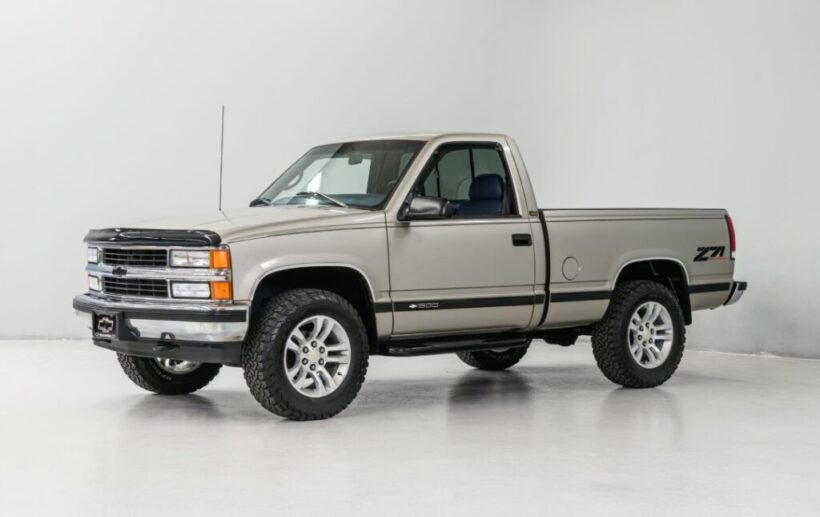
Today the Silverado is one of the best-selling vehicles in the United States, consistently trading spots at the top of the charts with the Ford F-150 and Ram 1500. Trucks are no longer just work vehicles for most buyers. They are family vehicles, status symbols, and daily drivers all at once. Chevy understood that shift and leaned into it hard.
Navigating The Hard Times
The 2008 financial crisis hit General Motors with devastating force. GM filed for bankruptcy in 2009 in what became one of the largest corporate bankruptcies in American history. The federal government stepped in with a bailout that remains controversial to this day.
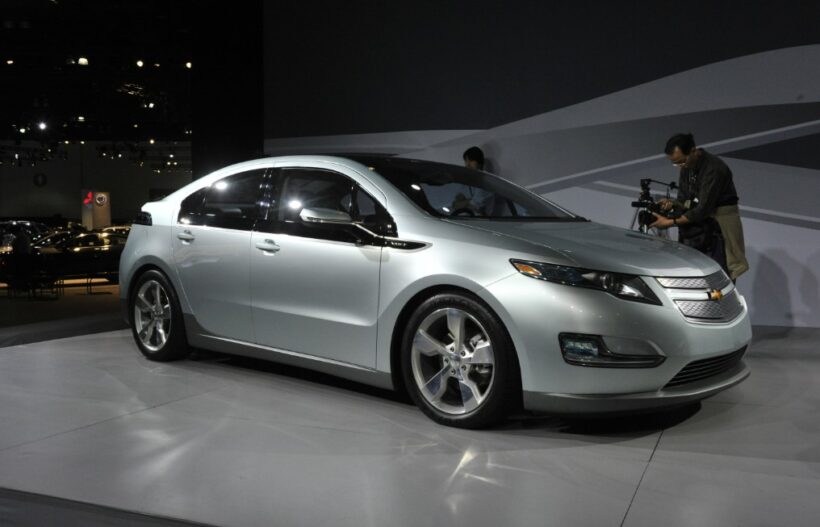
Chevrolet survived, but the brand had to make hard choices. Several models were discontinued. The focus sharpened around the vehicles that were actually selling. Coming out of that period, Chevy invested heavily in fuel efficiency, including the Chevrolet Volt, a plug-in hybrid that showed the company was willing to rethink what a Chevy could be.
Where Chevy Stands Today
Chevrolet is now a global brand sold in over 100 countries. The current lineup balances the trucks and SUVs that American buyers love with a growing commitment to electric vehicles. The Chevrolet Equinox EV and the Silverado EV are central to that push, part of GM’s broader goal to transition away from internal combustion over the coming decades.
That original tension between performance and everyday practicality is still very much alive. You can see it in the difference between a base Silverado Work Truck and a Corvette Z06. Both wear the same bow-tie badge. Both are unmistakably Chevrolet.
More than 110 years after Louis Chevrolet and William Durant sat down together with a shared ambition and competing visions, the brand they built is still one of the most recognized names in the world. That does not happen by accident. It happens through generations of people who believed in what they were making, and buyers who kept showing up. That is the Chevy story. And it is still being written.
