
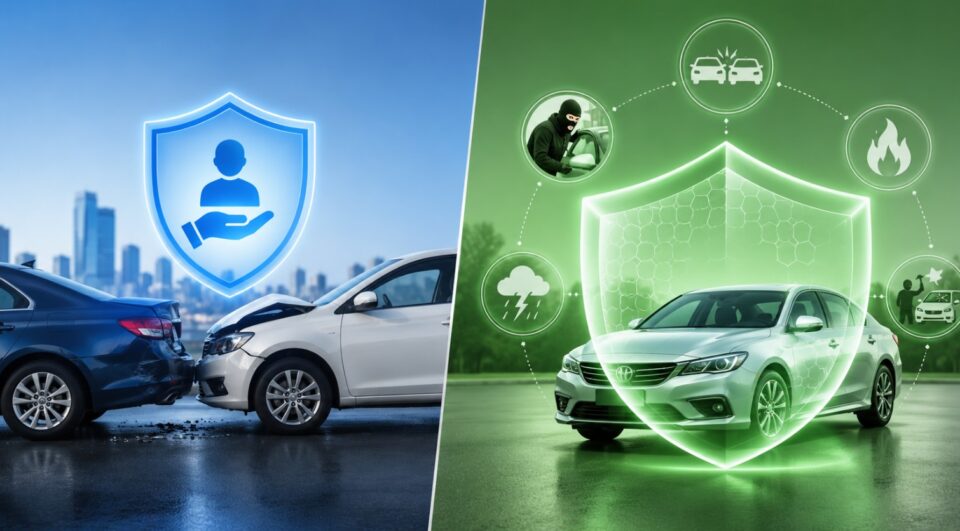
Owning a car in the Philippines comes with a mix of excitement and responsibility. There is the joy of weekend road trips, the convenience of daily commutes, and the freedom of going wherever you please. Alongside these benefits, however, comes the duty of protecting your vehicle, the people inside it, and others on the road.
This is where car insurance enters the picture. Two of the most common terms Filipino drivers come across are CTPL and comprehensive car insurance. They may sound similar, but they serve very different purposes. Understanding how each one works can help you make a smarter choice for your vehicle and your peace of mind.
Starting With the Basics
Before comparing the two, it helps to look at what each type of policy is designed to do. Car insurance in general is built around two ideas. The first is protecting other people who may be affected by an accident involving your vehicle. The second is protecting your own car and yourself from financial loss.
CTPL focuses on the first idea, while comprehensive coverage extends to both. Knowing this distinction early on makes the rest of the comparison much easier to follow.
Once the basic purpose of each plan is clear, the next step is to look closely at CTPL itself.
What CTPL Really Covers
CTPL stands for Compulsory Third Party Liability, and as the name suggests, it is required by law for every registered vehicle in the Philippines. Without it, you cannot renew your registration with the Land Transportation Office. This is why many drivers come across it during their first car purchase or annual renewal.
The simple CTPL insurance meaning is that it provides coverage for bodily injury or death of a third party caused by your vehicle in an accident. In other words, it protects other people, not your car and not yourself.
Here are the main points worth knowing aboutCTPL:
- It is mandatory for all registered vehicles, which means you cannot skip it during registration. This makes it the most basic form of protection every Filipino driver must carry.
- It covers third party bodily injury or death, which may help with medical expenses or compensation up to a policy limit. This benefit supports the affected party rather than the policyholder.
- It does not cover damage to your own car, which is an important point many new drivers miss. This is where comprehensive coverage becomes relevant.
Once CTPL is understood, comprehensive insurance can be explored as the next layer of protection.
What Comprehensive Car Insurance Offers
Comprehensive car insurance is an optional but much broader form of coverage. It builds on the foundation of CTPL by adding protection for your own vehicle, the driver, and sometimes the passengers as well, depending on the policy.
While CTPL takes care of the legal minimum, comprehensive coverage takes care of the financial side of owning a car. It may help with repair costs after a collision, damage from natural events, theft, and even acts of vandalism, subject to terms and conditions.
For many Filipino drivers, this extra layer becomes important the moment they think about the actual cost of repairs or replacement.
After understanding both types, it becomes easier to see where they differ in real life situations.
Key Differences You Should Know
The clearest way to understand the gap between the two is to look at common scenarios that drivers face. Each example shows how CTPL and comprehensive coverage respond differently.
Consider these everyday situations:
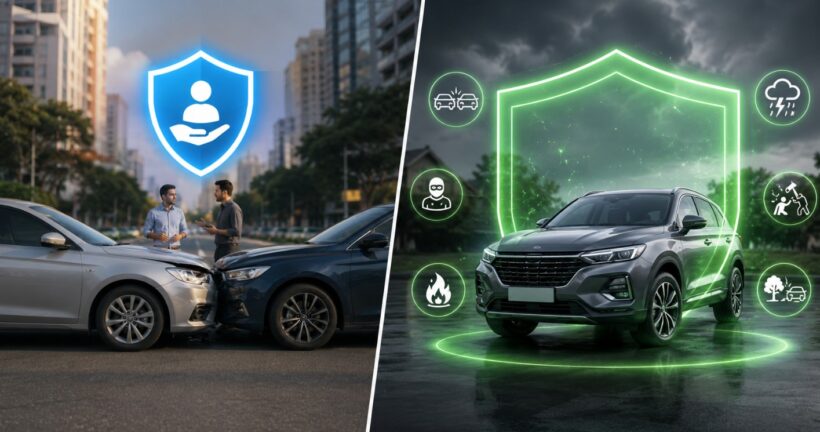
- A small fender bender where you accidentally injure another driver, which may be supported by CTPL up to a policy limit. Your own car repairs, however, would not be included under this basic plan.
- A flooded street that damages your engine during the rainy season, which may be covered under comprehensive insurance depending on the policy. CTPL would not respond to this kind of loss since no third party is involved.
- A stolen vehicle from a parking area, which may be covered under comprehensive insurance subject to terms and conditions. CTPL does not provide any protection in this scenario.
- A collision where you damage someone else’s property, such as a fence or shopfront, which may be supported under the property damage extension of a comprehensive plan. CTPL does not include third party property damage.
These examples show why many drivers eventually choose to pair CTPL with a wider plan for stronger overall protection.
Choosing the Right Mix for Your Needs
The decision between CTPL alone and CTPL with comprehensive coverage often depends on how you use your car and how much risk you are comfortable carrying. A driver who only uses the car occasionally for short errands may feel that CTPL is enough for now. A daily commuter who drives long distances or parks in busy areas may prefer the added security of comprehensive coverage.
Here are a few practical pointers to guide the choice:
- Consider the age and value of your car, since newer or higher value vehicles often benefit from broader coverage. This helps protect your investment over time.
- Think about your usual driving routes, because heavy traffic and flood prone areas can raise the risk of damage. Comprehensive coverage may offer better support in these conditions.
- Review your financial comfort with out of pocket expenses, as repair costs can rise quickly after an accident. A wider plan can ease this pressure.
- Compare quotes carefully, since premiums and benefits vary between providers and small details often make a big difference.
A short comparison of options brings clarity and confidence to the decision.
Where Oona Fits Into Your Research
When exploring options in the local market, it helps to look at providers that offer clear terms, easy renewal, and dependable support. Oona offers CTPL insurance and other related products worth exploring as part of your research, especially if you are looking for a straightforward way to meet legal requirements while planning for wider coverage later.
This kind of approach allows you to start with the basics and grow your protection as your driving needs evolve.
Final Takeaway
CTPL and comprehensive car insurance are not rivals. They are different layers of protection that serve different purposes. CTPL keeps you compliant with the law and supports third parties in case of injury, while comprehensive coverage protects your own vehicle and finances from a wider range of risks.
By understanding both clearly and choosing what fits your situation best, you can drive with greater confidence on Philippine roads, subject to terms and conditions, knowing that your protection plan is built around your real needs.
