
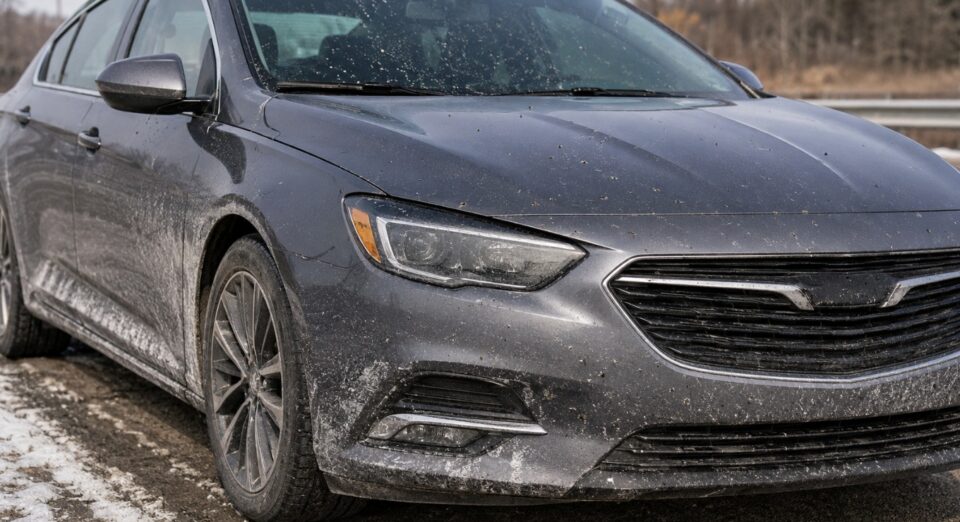
Your car does not need a collision to start looking tired. One winter commute can pack salt behind the wheels, while a summer highway trip may leave the bumper covered in insects and tiny stone marks. Are those spots only cosmetic, or are they slowly damaging the finish?
In a 2017 survey, AAA estimated that U.S. drivers paid $15.4 billion over five years for rust repairs linked to road de-icing methods.
This guide explains what each road hazard does, where damage usually begins, and how to protect your car’s exterior without turning routine maintenance into a full weekend project.
Here’s What’s Inside
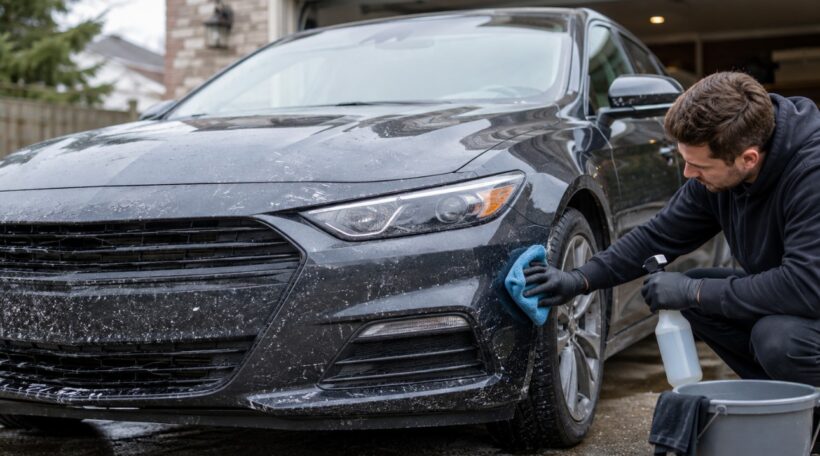
Salt, sand, insects, and road debris do not harm a vehicle in the same way. Road salt can corrode vehicle components, while sand and grit can contribute to chips and scratches on exposed paint. Consumer Reports notes that insect residue can slowly etch clear coat, and loose stones create direct impact damage.
You will learn how to:
- remove contamination without adding scratches;
- identify the panels that need attention first;
- compare wax, vinyl wrap, and paint protection film;
- deal with small chips before rust develops.
The good news? You do not need dozens of products. A careful rinse, a paint-safe cleaner, and regular inspection cover most everyday risks. The best solution depends on whether you face winter roads, highways, or dusty routes.
Choose Protection That Matches Your Driving
Protection should match the hazard. AAA also recommends applying wax to help protect a vehicle’s finish before winter, but wax is not designed to absorb stone impacts.
A professionally installed vinyl wrap can change the vehicle’s appearance while adding another surface layer over suitable paint. Haus of Wraps focuses on customized vehicle vinyl wraps and works with luxury vehicles, exotic cars, boats, and other detailed projects.
Paint protection film is designed to protect vulnerable automotive surfaces from stone chips, scratches, insect damage, road tar, stains, and outdoor weathering.
For regular highway driving, prioritize the front bumper, leading edge of the hood, mirror caps, rocker panels, and lower doors. These areas receive frequent contact with insects, grit, and debris. Coverage can also be limited to high-impact zones.
How Road Salt Causes Exterior and Underbody Damage
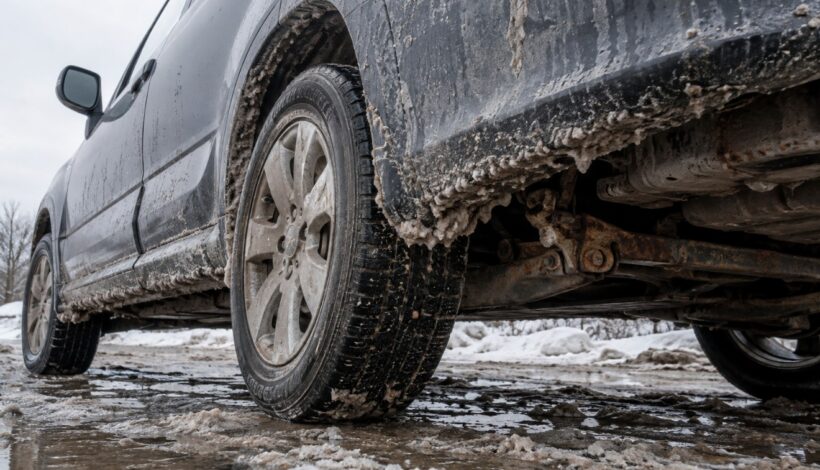
Road salt becomes more serious when salty moisture reaches scratches, seams, fasteners, and exposed metal. The Federal Highway Administration states that highway de-icing salt has been linked to corrosion of motor vehicles and unprotected steel structures.
Pay close attention to wheel wells, rocker panels, lower door edges, suspension areas, and the underbody. These spaces collect slush and can remain damp after the visible bodywork appears dry.
Did you know? AAA reported an average cost of $490 per salt-related rust repair among affected drivers in its 2017 survey.
Rinse the undercarriage after driving on heavily treated roads, and do not forget drainage openings. AAA also recommends frequent washing, using automotive detergent rather than dishwashing soap, and touching up chips where bare metal is exposed.
Why Sand and Grit Create Scratches
Sand can damage paint while driving and during cleaning. Repeated contact with airborne grit affects leading edges and lower panels, while particles left on the body can be dragged across the clear coat by a sponge or towel. Toyota describes paint protection film as a barrier that helps shield factory paint from road debris.
Use this low-friction washing order:
- rinse loose grit away before touching the car;
- wash the roof and upper panels before lower areas;
- keep wheel-cleaning tools separate from bodywork tools;
- dry with clean microfiber towels.
Never wipe a dusty vehicle with a dry cloth. If you cannot wash it properly, leaving the dust temporarily is usually safer than rubbing grit across the finish. Clean wash media matters just as much as the shampoo.
Why Insect Residue Should Be Removed Quickly
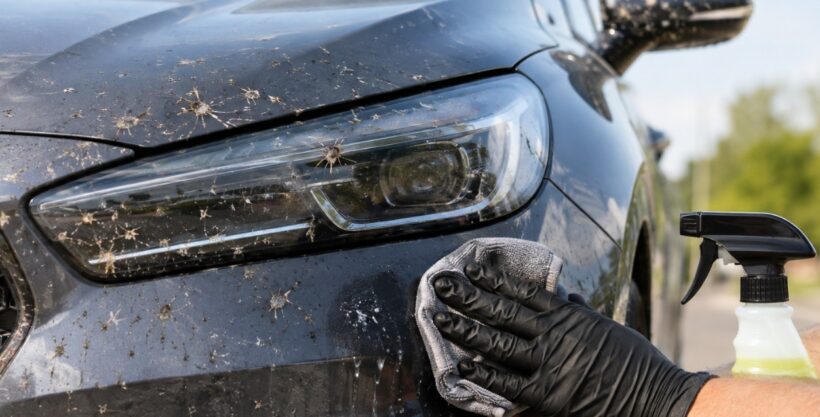
Insect residue is not simply unattractive. Consumer Reports explains that bugs release amino acids that can slowly etch a vehicle’s clear coat. Residue becomes harder to remove after drying on warm bumpers, mirrors, and hood edges.
Start by cooling and soaking the affected panel. Wash normally, then use a dedicated automotive cleaner if soap does not release the residue. Automotive bug-and-tar remover for stubborn bugs, tar, or sap is recommended.
Important: A shadow that remains after cleaning may be staining or clear-coat etching rather than leftover dirt. Do not keep rubbing harder.
During summer road trips, carry a small bottle of paint-safe bug remover and clean microfiber towels. Fresh splatter is much easier to remove than residue baked onto hot paint.
Road Debris Creates Chips, Cracks, and Exposed Metal
Loose gravel, broken pavement, metal fragments, and material thrown from other vehicles cause direct impact damage. The hood, bumper, mirror caps, lower doors, and panels behind the tires are common strike zones.
Look for white primer dots, dark pinholes, exposed metal, or orange discoloration around an older chip. Cracked paint near a dent also needs attention because moisture can enter beneath the damaged coating.
Some paint protection films are designed to protect automotive paint from stone chips, scratches, bugs, road tar, and stains. The film can reduce everyday impact damage, but it is not indestructible.
Mud flaps can reduce material thrown by your own tires. Keeping a sensible distance from gravel trucks and vehicles on loose surfaces also reduces exposure, although no driving habit can prevent every random impact.
Match the Cleaning Method to the Contaminant
Using the wrong cleaning method can turn removable contamination into scratches or staining.
| Hazard | Best first response | Avoid |
| Road salt | Rinse body, wheel wells, and underbody | Waiting until spring |
| Sand and grit | Pre-rinse, then wash gently | Dry wiping |
| Insect residue | Soak, wash, and use bug remover | Hard scraping |
| Road tar | Use a paint-safe tar remover | Fuel or household solvents |
| Stone chip | Clean, dry, and inspect its depth | Immediately painting over rust |
Wash the entire vehicle, including the undercarriage, with detergent formulated for automotive use. Work on cool panels, follow product directions, and test unfamiliar cleaners first. Matte paint, vinyl wraps, and protective films may require specific products, so follow the installer’s or manufacturer’s care instructions. Avoid mixing cleaners unless the directions permit it.
Inspect Small Damage Before It Spreads
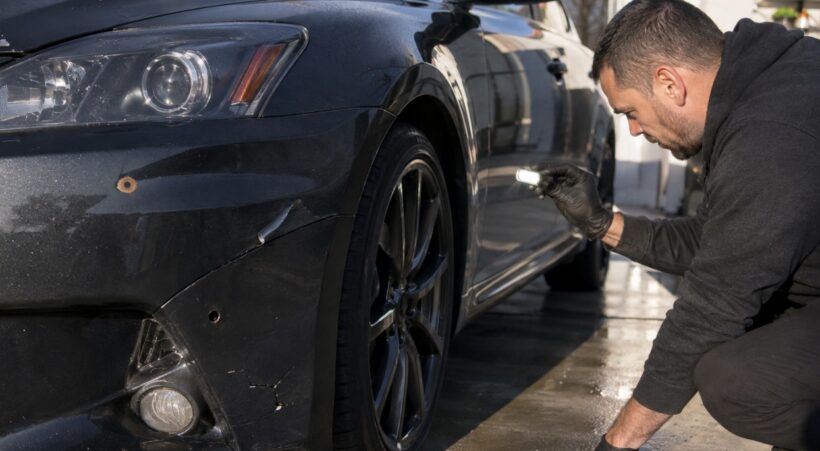
A short inspection after washing can reveal damage while it is still manageable. Use bright, angled light and check the hood edge, bumper, mirrors, rocker panels, wheel arches, door edges, and areas behind each tire.
Look for:
- chips that have reached primer or metal;
- rust-colored rings around older marks;
- lifted wrap or film edges;
- punctures, clouding, or trapped debris;
- cracked paint around small dents.
Touch up scratches and chips where bare metal is exposed. Manufacturer-matched touch-up paint may suit a tiny, clean chip without rust, but corrosion needs proper preparation before repainting.
Larger chips, spreading rust, peeling clear coat, or dents that have fractured the finish should be assessed professionally. Inspect the vehicle sooner after gravel roads, construction zones, coastal trips, or winter storms.
Keep Exterior Protection Simple and Consistent
Salt, sand, insects, and road debris attack a car’s exterior in different ways, but the response does not need to be complicated. Rinse salt and grit promptly, soften insect residue before wiping, inspect chips carefully, and protect the panels that receive the most impact. Start with two manageable habits: keep paint-safe bug remover in the car and arrange an underbody rinse after driving on heavily salted roads. Once those steps become routine, decide whether wax, vinyl wrap, or paint protection film suits your climate and driving. Consistent, gentle care protects the finish more effectively than waiting months and then relying on aggressive cleaning.
Frequently Asked Questions
Can road salt damage a car parked in a garage?
Yes. Melted salty slush can keep underbody components wet. Winter deposits can continue causing corrosion if they are not properly removed.
Does paint protection film stop every stone chip?
No. PPF is a protection against stone chips and related hazards, but no surface film can guarantee protection from every sharp object or high-energy impact.
Can I use dish soap to remove insects or salt?
It is better to use automotive shampoo. Use vehicle-formulated detergent rather than dishwashing soap.
Should touch-up paint be applied over visible rust?
No. Remove the corrosion and prepare the surface first. Painting over active rust may hide rather than stop it.
