
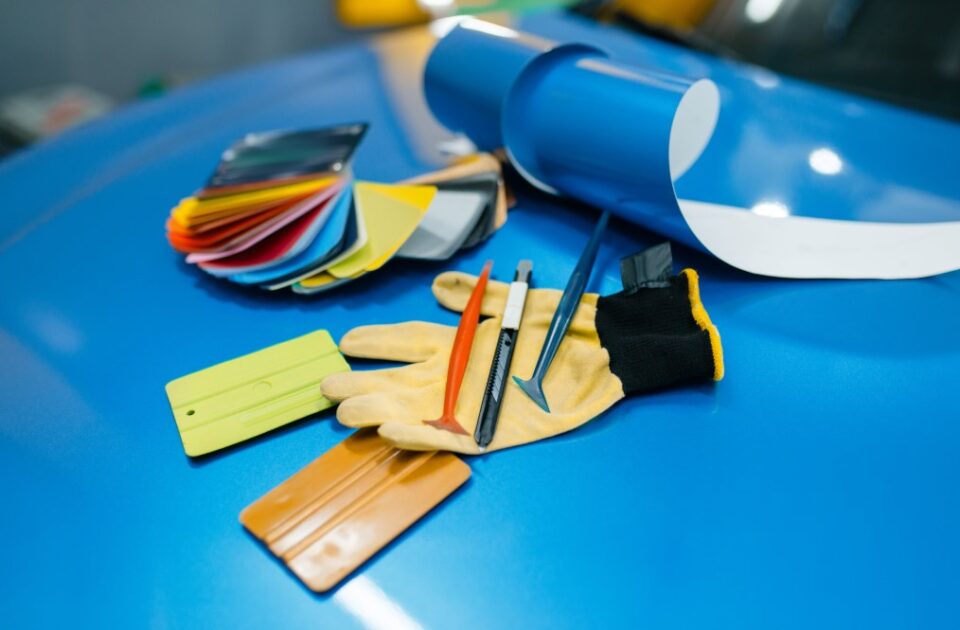
Color PPF gives you the finish you want and the protection your paint deserves in a single installation. Instead of repainting or using a thin vinyl wrap, you can achieve a premium color or special effect while shielding high-impact areas from rock chips, swirl marks, and UV fade. This guide walks you through what Color PPF is, how to choose a finish and shade, how to evaluate brands and installers, and how to care for the result so it looks exceptional for years.
If you are comparing options and want a deep, current catalog, start by exploring Best Color PPF choices from UPPF.
Table of Contents
- Why Color PPF is worth it
- What Is Actually Color PPF?
- How to choose the right film step by step
- Finish options and when to use them
- Practical color selection tips
- Comparing brands and vetting installers
- Care and maintenance
- Frequently asked questions
1. Why Color PPF is Worth It
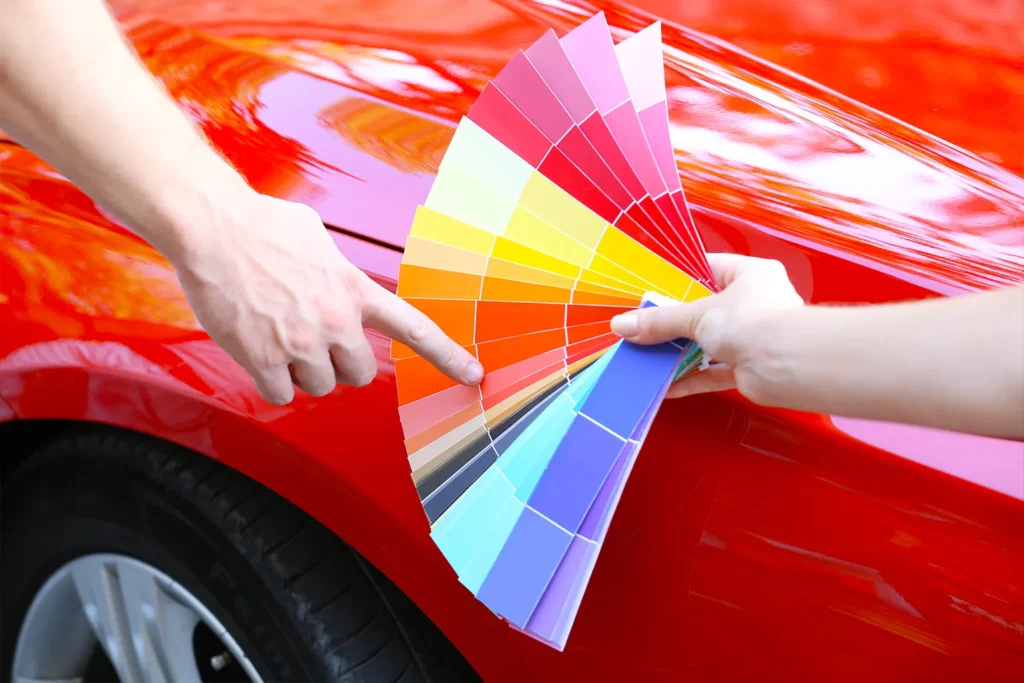
Owners choose Color PPF for three simple reasons. First, it combines protection and style. A quality polyurethane film with a self healing top coat resists chips and light swirls while delivering a factory grade finish in the color or effect you want. Second, it is reversible. If the underlying paint is healthy and the film is removed by a professional, you can return to the original color without a repaint. Third, it helps maintain value by keeping the OEM paint beneath in better condition than if it were exposed.
2. What Is Actually Color PPF?
Color PPF is a pigmented or effect-infused paint protection film. Think of it as a durable, flexible, optically clear base with color or special effects integrated during manufacturing rather than printed on top. It is thicker and more impact-resistant than typical vinyl wraps, includes a clear coat that mends light surface marks with heat, and features hydrophobic properties that make routine washing faster and easier. Installed correctly, it conforms to complex curves, wraps edges where safe, and looks like high-quality paint rather than a sticker.
When comparing products, look for clear technical data on UV stability, chemical resistance, tensile strength, and warranty terms. Real-world photos that match the swatch color are another good sign of consistency.
3. How to Choose the Right Film Step by Step
- Define your goals. Decide whether your priority is a deep gloss, a subtle satin or matte presence, or a statement effect such as metallic, pearl, or liquid metal. Also, decide coverage. Full vehicle coverage gives the most uniform look and protection. Many owners begin with a full front package that includes the bumper, hood, fenders, and mirrors, then add rocker panels and wheel arch areas for extra chip resistance.
- Match film to how you use the car. Daily drivers benefit most from strong self-healing, stain resistance, and a finish that is easy to wash. A weekend or show build can lean into unique effects and custom colorways.
- Consider your environment. In strong sun, UV stability matters. In areas with winter roads and de-icing chemicals, chip resistance and chemical resistance are important. If you often park outdoors under trees, prioritize films that resist staining and etching.
- Review samples in real light. Ask your installer for sample swatches and view them outdoors at midday, golden hour, and under street lighting. Hold the samples next to your trim, wheels, and brake calipers to make sure the palette works together.
- Shortlist the brand and the installer as a pair. The best film in the world will only look as good as the installation. Favor brands with reliable batch consistency and installers with proven Color PPF projects in their portfolio.
4. Finish Options and When to Use Them
Gloss
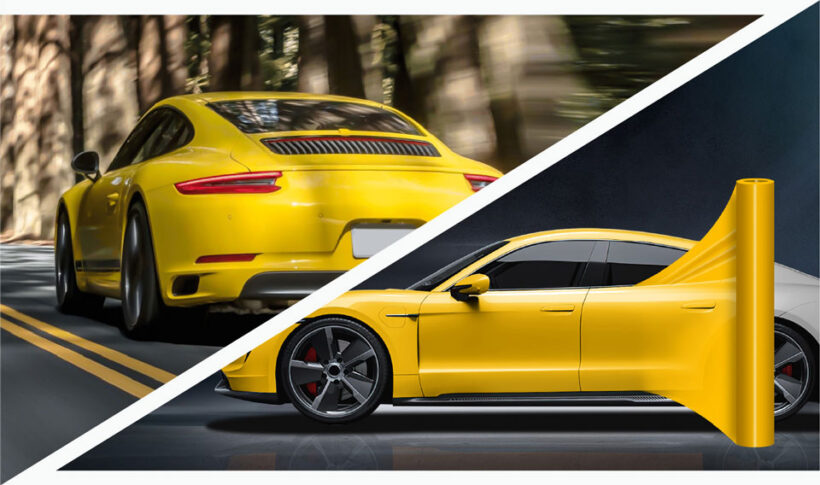
Gloss Color PPF delivers paint like depth and a mirror style reflection. It suits modern sports cars, performance sedans, and luxury SUVs that should look crisp and polished. It is straightforward to maintain with pH neutral shampoo, soft wash media, and an optional PPF safe ceramic topper.
Satin
Satin creates a refined, low sheen presence that feels factory bespoke without going fully matte. It works beautifully on luxury sedans and SUVs. Preserve the satin character by avoiding products designed to increase gloss.
Matte
Matte is intentionally non-reflective and reads dramatic and purposeful. It works well on aggressive builds and trucks or SUVs that aim for a rugged aesthetic. Care requires a light touch. Use gentle wash techniques and avoid abrasive products.
Metallic and Pearl
Metallic and pearl films add depth and visual interest in sunlight. Fine metallic flake can make body lines pop in photos without looking flashy. This option suits show builds and owners who want movement in the finish without a full color shift effect.
Liquid Metal and Anodized Effects
These effects mimic brushed or liquid metal with dimensional highlights. They stand out even in neutral tones and can create an upscale, engineered look that is hard to achieve with paint. As with other finishes, correct panel planning and clean edges are the key to a seamless result.
5. Practical Color Selection Tips
Think in complete palettes rather than a single body color. Consider how the chosen color plays with your trim, wheel finish, badges, and interior accents. Satin khaki or olive paired with black trim and bronze wheels reads upscale and adventurous. A bright gloss blue with silver or polished wheels feels modern and clean. A deep metallic green with graphite wheels sets a bold but sophisticated tone.
Use simple color theory. High contrast combinations, such as a bright body with black trim, suggest a sporty character. Near analogous combinations, such as deep green with bronze accent, feel cohesive and refined.
If you are not wrapping jambs or inner lips, make sure the new body color does not clash with the glimpses of OEM paint that sometimes peek through. Plan for photography as well. If you frequently shoot your car, select colors that hold detail in direct sun and under LEDs. Fine flake metallics often photograph beautifully. Very dark matte can hide body lines in low light, which may or may not be the look you want.
Finally, future-proof your choice. Many owners are happiest long term with timeless tones such as satin gray families, deep blues and greens, and rich bronzes.
6. Comparing Brands and Vetting Installers
What to look for in a brand
Prioritize consistent color from swatch to installed vehicle. Evaluate finish quality by checking for minimal peel, even satin or matte texture, and uniform metallic distribution. Review technical specifications for self-healing, UV inhibitors, and resistance to common road chemicals. A clear, multi-year warranty with accessible support is a must. A broad catalog of colors and finishes is helpful when you are still shaping a concept.
What to look for in an installer
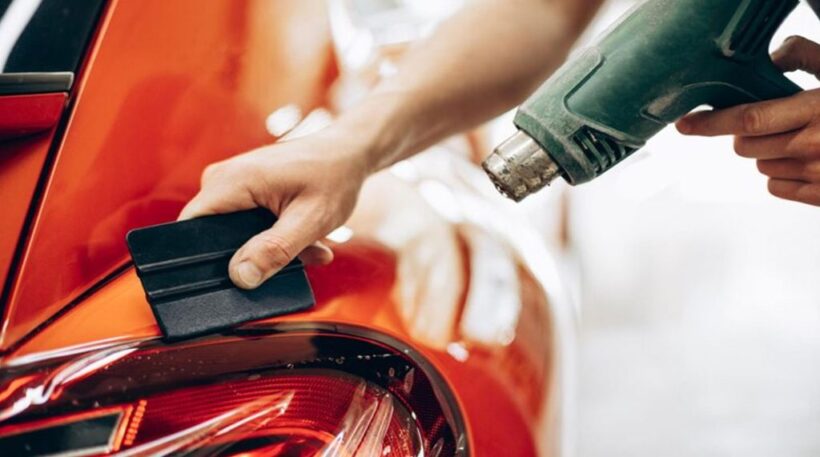
Ask to see recent Color PPF projects, not only clear PPF. A clean, climate-controlled bay with bright, even lighting allows for precise work. The shop should have a plotter and cutting system and should explain how they plan wrapped edges and relief cuts to minimize visible seams. A professional will provide written aftercare guidance, support warranty registration, and schedule a follow-up inspection if needed.
7. Care and Maintenance
Washing is simple with the right routine. Use a pH-neutral shampoo with a soft mitt and the two bucket method. Rinse thoroughly and dry with a clean microfiber towel or filtered air. Address bird droppings and bug residue promptly. A mild solution of isopropyl alcohol and water can help with fresh contaminants, but test in an inconspicuous area first and follow your installer’s care sheet.
A PPF safe ceramic topper improves slickness and makes cleaning faster. Avoid harsh solvents, abrasive compounds, and automatic wash brushes. Inspect edges and high-impact zones periodically. If you notice lifting or contamination at an edge, schedule a quick visit with your installer to correct it before dirt accumulates.
8. Frequently Asked Questions

Is Color PPF reversible?
Yes. A trained professional can remove it with controlled heat, leaving healthy OEM paint intact.
Meta description: Learn how to choose the best Color PPF. Compare gloss, satin, matte, metallic, and liquid metal finishes, pick a color that suits your build, vet brands and installers, and maintain a flawless look.
