

BMW vehicles are celebrated for their dynamic performance, precise engineering, and premium driving experience — but like any high-performance machine, they require proper care to stay at their best. Understanding the most common BMW maintenance issues can help owners stay ahead of potential problems and avoid costly repairs down the track.
Whether you’re driving a classic 3 Series or a modern X5, knowing where to look — and how to prevent issues early — will save you time, stress, and money. This is also why many owners choose to source quality BMW spare parts when replacing components, ensuring optimal performance and longevity.
Below, we break down the typical maintenance concerns BMW owners face and outline practical steps to keep your vehicle running smoothly.
Oil Leaks from Gaskets and Seals
Oil leaks are one of the most well-known BMW maintenance issues, particularly in models equipped with the N52, N54, and N55 engines. The valve cover gasket and oil filter housing gasket are common culprits, often becoming brittle over time due to heat exposure. How to avoid it:
- Stick to regular oil changes using high-quality, BMW-approved oil.
- Have your mechanic inspect gaskets at each service interval.
- Address minor leaks immediately — they almost always worsen if ignored.
Cooling System Failures
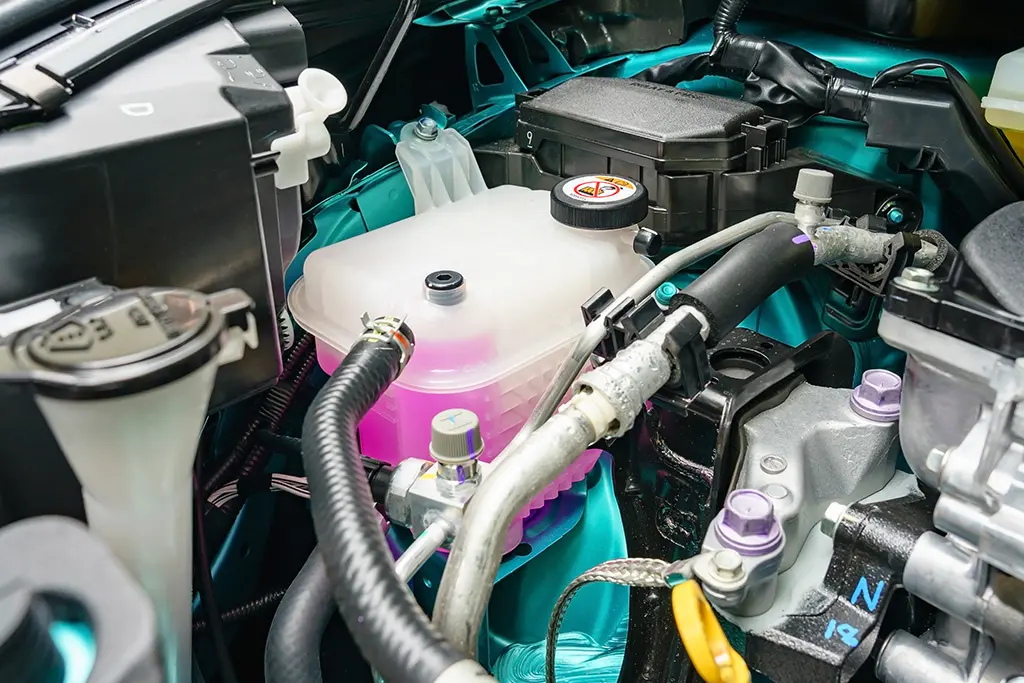
BMW cooling systems include several components made from plastic, which can degrade with age and heat cycles. Radiators, expansion tanks, and water pumps are known to fail, especially in vehicles over 100,000 km. How to avoid it:
- Replace coolant and inspect hoses every two years.
- Proactively upgrade or replace the water pump and thermostat at recommended intervals.
- Watch for early signs such as rising engine temperatures or a coolant smell.
Electronic System Glitches
From iDrive malfunctions to sensor failures, BMWs are packed with advanced electronics that occasionally experience issues. Faulty window regulators, malfunctioning door lock actuators, and dashboard warning lights are commonly reported. How to avoid it:
- Keep software updated at each service appointment.
- Avoid ignoring dashboard warnings — they’re often early indicators of something larger.
- Ensure wiring and connectors are checked for corrosion, especially in older models.
Suspension Wear and Tear
BMW’s sport-tuned suspension offers exceptional handling, but components such as control arm bushings, ball joints, and shock absorbers can wear faster than expected due to the vehicle’s firm setup. How to avoid it:
- Schedule regular inspections of suspension components.
- Listen for knocking sounds or uneven tyre wear — both are tell-tale signs.
- Replace worn parts with high-quality components designed for BMW models.
High-Pressure Fuel Pump (HPFP) Failure in Turbo Models
Turbocharged BMW engines, particularly earlier N54 models, are known for HPFP issues. A failing pump may lead to long crank times, poor performance, and even engine stalling. How to avoid it:
- Use premium fuel only — lower-quality petrol can accelerate wear.
- Have your mechanic perform routine diagnostics, even if no symptoms appear.
- Address any irregularities in start-up behaviour as soon as possible.
Turbocharger Wastegate Rattle
Some turbocharged BMW engines may develop a wastegate rattle, leading to poor boost control and reduced performance. This can result in a noticeable metallic rattling noise on acceleration. How to avoid it:
- Maintain regular turbo inspections, especially as mileage increases.
- Avoid aggressive driving while the engine is cold.
- Replace worn components with durable, factory-spec or performance-grade parts.
Transmission Fluid and Mechatronic Issues
Although BMW once marketed certain transmissions as “lifetime filled,” many owners have discovered that skipping transmission servicing can lead to harsh shifting or mechatronic failures. How to avoid it:
- Change transmission fluid and filters every 60,000–80,000 km.
- Address any shifting abnormalities promptly.
- Ensure your mechanic uses transmission fluid designed specifically for BMW systems.
BMWs are exceptional vehicle, but like all finely tuned machines, it needs consistent care and attention
By understanding the most common maintenance issues and taking proactive steps to manage them, you can enjoy a smoother, safer, and more reliable driving experience. Whether you’re staying on top of regular servicing or replacing components with quality parts sourced from trusted suppliers, a little attention now can prevent major headaches later.
Routine Preventive Maintenance Strategy
One of the most effective ways to reduce BMW maintenance issues is to treat servicing as a long-term investment rather than a short-term expense. BMW engines and systems are sensitive to neglect, meaning skipping even one scheduled service can accelerate wear.
Preventive maintenance keeps parts lubricated, ensures sensors communicate correctly, and prevents components from failing prematurely. It also allows mechanics to identify early warning signs before they become major repairs.
Establish a consistent maintenance routine, log service history carefully, and avoid stretching service intervals “just a little longer.” In the long run, this proactive mindset reduces repair bills, maintains performance, and keeps the car reliable and enjoyable to drive.
Signs You Should Never Ignore

BMWs are very good at warning drivers when things are not quite right. The bigger mistake many owners make is disregarding those signs until it is too late.
Some of the key warning indicators include:
- Persistent check-engine lights or repeated fault codes
- Strange engine noises, rattles, or vibrations
- Burning smells, smoke, or noticeable loss of power
- Rough gear changes or delayed acceleration
When BMW technology “speaks,” it is wise to listen. Reacting early often turns a potential engine rebuild into a simple part replacement.
Choosing Quality Parts Over Cheap Alternatives
Another vital factor in BMW longevity is part quality. While budget components may seem appealing initially, they rarely match OEM-grade precision. Cheap gaskets may fail faster, lower-quality suspension parts affect ride comfort, and inferior electronics can trigger recurring faults.
BMW engineering is highly specific, meaning the wrong part can cause additional problems rather than solving one. Whenever possible, use genuine or reputable aftermarket components specifically designed for BMW models.
Not only do they fit better, but they last longer and protect the rest of the vehicle’s systems from unnecessary strain.
Final Thoughts
BMWs are exceptional vehicle, but like all finely tuned machines, it needs consistent care and attention. By understanding the most common maintenance issues and taking proactive steps to manage them, you can enjoy a smoother, safer, and more reliable driving experience. Whether staying on top of servicing or replacing components with trusted, high-quality parts, a little attention now prevents major headaches later.
