
Have you ever noticed how even a small truck accident can suddenly change your entire schedule, your work plans, and your peace of mind?
Studies on commercial vehicle downtime consistently show that repair delays cost far more than just money. They cost productivity, client trust, and sometimes even safety.
That is why understanding how truck damage repair actually works can make a huge difference.
When you clearly know what panels matter, how paint repair is handled, how frame inspections are done, and what affects repair timelines, you feel a lot more in control.
This guide walks you through everything in a friendly, practical way, helping you know what to expect and how to get your truck safely back on the road.
First Assessment: What Really Needs Repair
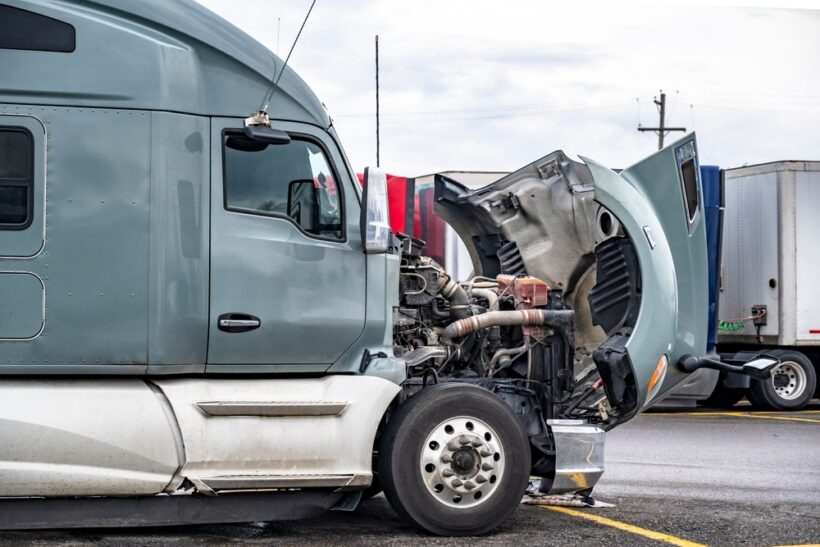
The first and most important step is understanding the extent of the damage. Not every dent looks serious, but sometimes the biggest danger is hidden underneath.
A proper inspection should cover exterior panels, internal components, alignment, structural safety, and any electronic systems that may have been affected. This is the stage where a professional eye matters because guessing is never a safe option with heavy vehicles.
After the inspection, you should receive a clear explanation of what needs repair, what is cosmetic, and what directly affects safety and drivability.
A solid assessment prevents wrong decisions, surprise costs, and unnecessary downtime, while also helping you plan financially and operationally.
Finding The Right Shop And Why It Matters
Choosing where to repair your truck can change everything about your experience. The truth is that skilled technicians, proper equipment, and honest communication save you time, money, and frustration.
For many owners and fleet managers, it helps to work with specialized services like trusted collision and auto body repair shops for trucks because they understand heavy-duty vehicles, commercial usage, and structural safety requirements.
A good repair shop does more than fix metal. It guides you through the process, updates you, and helps you feel confident the job is being handled correctly.
This becomes even more important when insurance companies or warranty considerations are involved, since documentation and professional standards truly matter.
Repairing Truck Body Panels
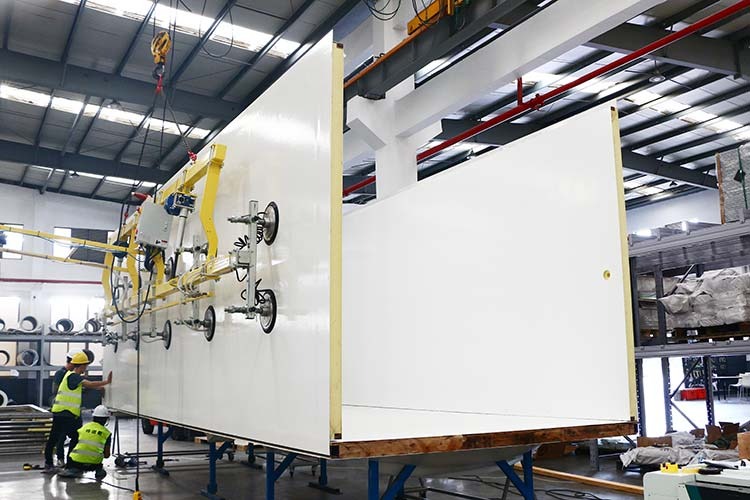
Most visible truck damage involves body panels. These might include doors, fenders, bumpers, side panels, or hood surfaces. Some panels can be repaired through reshaping and refinishing, while others need complete replacement depending on impact severity.
Quality panel repair requires precision, alignment accuracy, rust protection, and finishing work that blends seamlessly. It is not just about looks.
Panels protect internal components, affect aerodynamics, and even influence fuel efficiency in some cases.
Poor repair can cause rattling, water leaks, uneven lines, or early corrosion. A professional repair ensures durability and long-term protection.
Key considerations include:
- Whether the panel will be repaired or replaced
- How alignment and fit will be checked
- What warranty is provided for the work
Paint Repair: Matching Finish And Protecting Value
A flawed paint job can reduce value, expose metal to rust, and make previous repairs painfully obvious.
Modern paint processes require color matching, surface preparation, layering, and sealing. Trucks especially need durable finishes because they face road debris, weather, chemicals, and constant exposure.
Shops usually use digital paint matching systems along with professional refinishing techniques to achieve factory-level results. Proper paint repair includes sanding, priming, color coating, and clear coating, followed by polishing for a smooth finish.
The goal is for no one to be able to tell that repair ever happened. A well-done paint job extends lifespan, maintains professional appearance, and preserves resale or fleet value.
Structural And Frame Checks
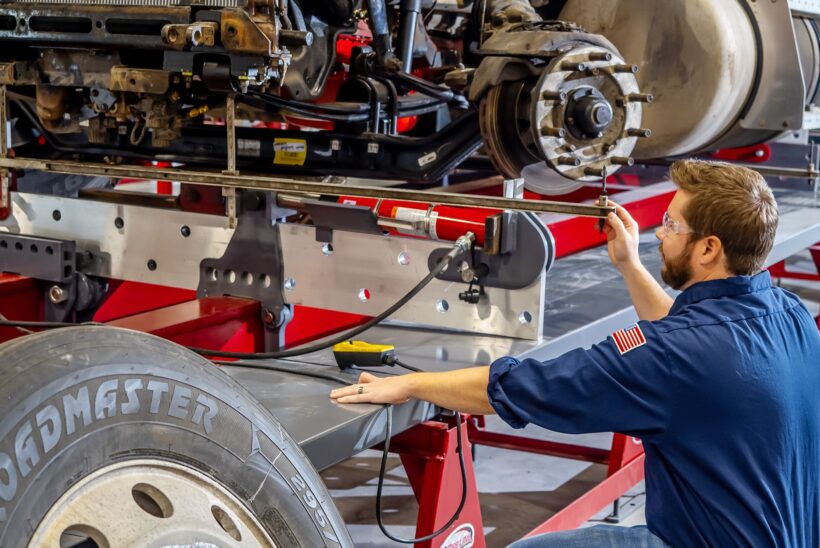
When impact reaches structural parts, safety becomes the number one concern. Frame misalignment can cause uneven tire wear, steering problems, handling instability, and serious long-term damage. That is why professional frame inspection is essential.
This process typically involves digital measuring systems, specialized straightening equipment, and very precise calibration.
Trucks carry heavy loads, which means their structure must be strong, aligned, and dependable. Even a few millimeters of misalignment can create big issues later.
If the frame is damaged, the repair must restore strength, shape, and balance, not just appearance. Skipping or rushing this step is never worth the risk because the frame is the backbone of the vehicle and directly influences safety performance.
Structural repairs must always meet manufacturer guidelines and safety standards. Anything less can compromise both reliability and insurance compliance.
Typical Repair Issues And How They Affect The Truck
Below is a simple overview of common damage and what it usually means for your vehicle.
| Damage Type | What It Affects | Typical Solution |
| Panel dents | Appearance and protection | Repair or replacement |
| Scratches and paint chips | Rust risk and aesthetics | Sanding and repainting |
| Frame misalignment | Safety and drivability | Structural correction |
After reviewing findings like these, a good repair shop will explain timelines, options, and pricing in clear language. Understanding these differences helps you make better decisions, avoid misunderstandings, and ensure your truck receives the right care instead of quick fixes that cause future trouble.
Turnaround Time: What Actually Affects It
One of the biggest concerns truck owners have is how long repairs will take. Turnaround time depends on damage severity, parts availability, workload at the repair shop, and insurance approval processes.
Some minor repairs can be done relatively quickly, while structural or extensive work naturally takes longer because it requires precision. Quality shops will explain timelines honestly rather than promising unrealistic speed.
Communication matters here. Knowing approximate timeframes helps you manage schedules, deliveries, and commitments. It is always better to wait a little longer for a safe and properly repaired truck than to rush work that will cause problems later.
Cost Considerations And Smart Planning
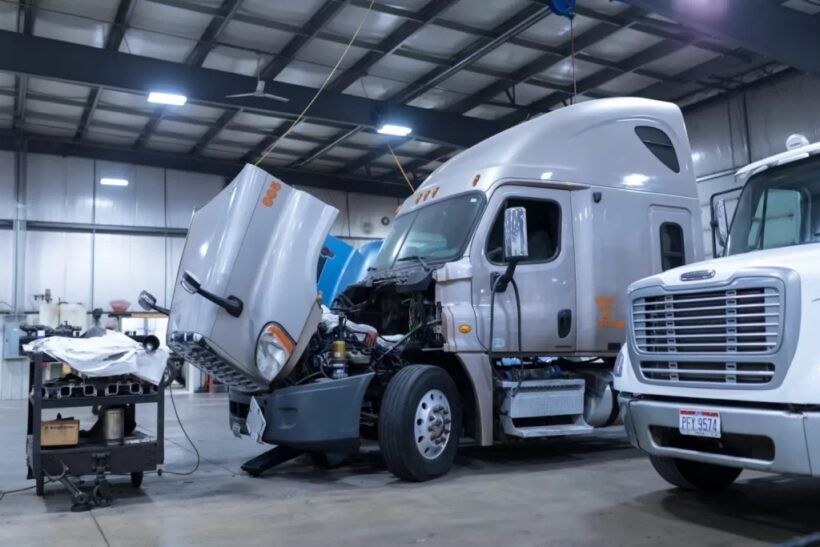
Repair costs depend on labor, parts, materials, and technology needed for the job. Trucks are complex machines, so professional repair is an investment in safety and reliability, not just appearance.
Smart planning includes getting clear estimates, understanding what is included, and asking about warranties. Many owners find it helpful to discuss repair stages so there are no surprises midway.
Insurance plays an important role too, and professional shops assist with documentation and claim processes. Budgeting realistically makes the entire experience less stressful and ensures your vehicle receives the quality repair it deserves without unnecessary compromises.
Keeping Your Truck Reliable After Repair
Good aftercare protects the work that was done and helps your truck stay in great condition.
Regular inspections, cleaning, and timely maintenance keep paint protected, panels stable, and structural integrity strong. Listening for unusual sounds, watching for alignment changes, and checking finishes helps you catch early signs of wear.
Treating repairs as part of long-term care rather than a one-time event makes a big difference. A well-repaired truck feels safe, looks professional, and performs reliably, restoring confidence in every mile ahead.
Final Thoughts
Truck damage repair does not have to feel overwhelming when you understand what truly matters. Panels, paintwork, frame checks, and realistic turnaround expectations all play essential roles in restoring both safety and appearance.
Working with experienced professionals, asking clear questions, and staying informed helps you avoid stress and ensures your truck returns to the road strong, secure, and ready for work again.
