

Keeping a vehicle in excellent condition all year brings consistent safety, reliable performance, and lower long-term costs.
A well-maintained car handles seasonal changes without stress and performs more efficiently, no matter the driving environment.
A quick overview of what follows includes essential maintenance habits and smart seasonal strategies that help every driver stay ahead of potential issues.
Let’s check it out.
Core Maintenance Essentials
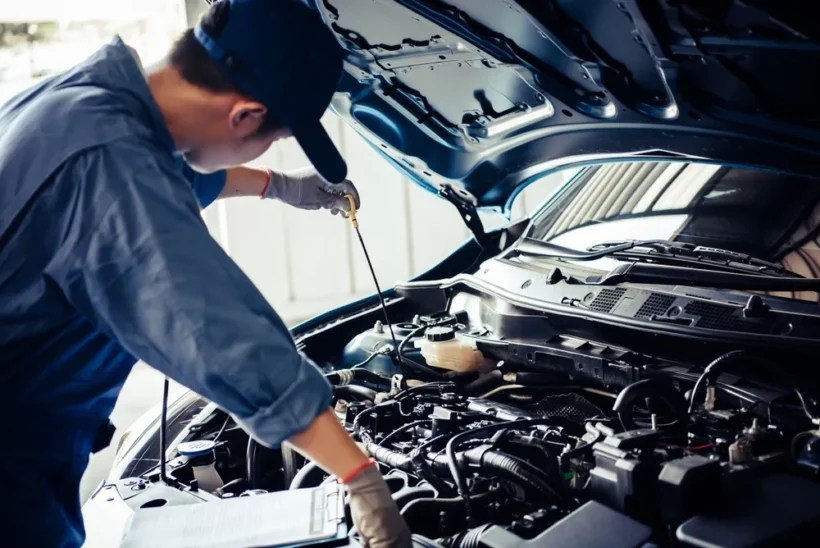
A solid maintenance routine forms the foundation of long-term vehicle reliability.
A car that receives consistent care responds better to seasonal changes, avoids expensive repairs, and delivers smoother day-to-day performance.
Keep Your Car Clean
Clean surfaces protect paint and prevent corrosion.
Regular washing removes dirt, salt, and grime that slowly damage metal and clear coat.
Occasional waxing builds a protective layer that shields paint from UV rays and contaminants.
Drivers who want a premium level of cleanliness often choose services such as a full valet Manchester, which restores both interior and exterior condition with professional detailing care.
Follow the Manufacturer’s Maintenance Schedule
A manufacturer’s service schedule offers the most accurate outline for keeping a vehicle healthy.
An owner’s manual lists exact intervals for oil changes, filter replacements, belt checks, spark plug service, and major inspections.
Drivers who frequently face stop-and-go traffic, short trips, towing loads, dusty environments, or extreme temperatures fall into severe usage categories, which shorten recommended intervals.
Staying aligned with that schedule protects internal components, boosts fuel efficiency, and minimizes unexpected breakdowns.
Here are important points that many drivers often overlook:
- Service intervals change depending on driving conditions
- Delaying major services increases the risk of failure
- Manufacturer schedules differ across models and engines
Check and Maintain Vital Fluids
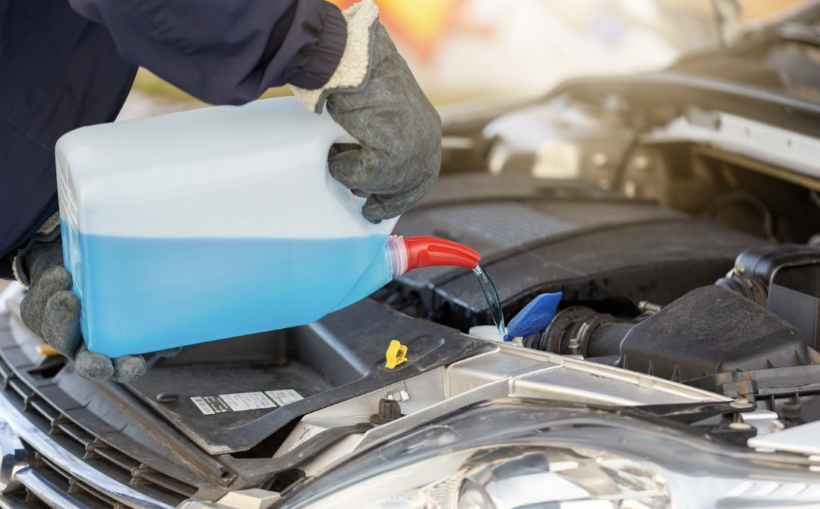
Healthy fluid levels keep a vehicle running smoothly.
Engine oil lubricates moving parts, coolant controls temperature, brake fluid ensures safe stopping power, transmission fluid supports gear shifts, and windshield washer fluid maintains visibility.
Regular checks help catch contamination, burnt smell, or abnormal coloration early.
Frequency varies by vehicle design and environment, yet consistent monitoring prevents overheating, poor lubrication, or braking issues.
Tire Health
Proper tire care strengthens safety and boosts fuel economy. Regular pressure checks ensure even wear and stable handling.
Rotation schedules help maximize tread life by distributing wear patterns.
Alignment checks address issues like pulling, vibration, or uneven tread.
Seasonal temperature changes affect tire performance, so adapting tire choice and pressure to the season guarantees better grip and smoother travel all year.
Battery Maintenance
A strong battery ensures dependable starts in all conditions.
Terminals benefit from occasional cleaning to prevent corrosion buildup.
Secure mounting keeps vibrations from damaging internal components.
Testing the battery once or twice a year identifies declining health early, especially when slow cranking, dim lights, or electrical irregularities appear.
Brake System Inspections

Brakes require attention at the first sign of squealing, grinding, or vibration.
Worn pads damage rotors quickly, increasing repair costs and reducing stopping power.
Regular inspections help maintain safe braking distances and preserve vital components.
Consistent care of pads and rotors keeps the braking system responsive in city traffic, long highway trips, or steep terrain.
Air Filter and Cabin Filter Replacement
Fresh filters support performance and comfort.
An engine air filter ensures clean airflow into the combustion chamber, improving efficiency and power.
A cabin filter traps dust, pollen, and contaminants to keep interior air quality high.
Replacements at recommended intervals reduce strain on both the engine and the HVAC system.
Driving Habits

Smart driving habits extend a car’s lifespan significantly. Gentle acceleration and smooth braking reduce strain on the engine, transmission, and suspension.
Excessive idling wastes fuel and accelerates wear. Short trips prevent engines from reaching optimal operating temperature, encouraging moisture buildup and reducing oil effectiveness.
Consistent, mindful driving preserves mechanical components and lowers long-term costs.
Seasonal Maintenance Strategies
Seasonal changes affect a vehicle in different ways.
Addressing those needs early keeps the vehicle reliable and reduces unexpected failures.
Spring
Spring arrives with warmer weather and marks the perfect moment to restore the car after winter conditions.
Wiper blades often wear out during cold months and need replacement for clear visibility during rainy periods.
Tire pressure rises as temperatures increase, making checks essential. Winter salt and roadway chemicals cling to the undercarriage, increasing the risk of corrosion.
Fluid levels may have dropped during winter usage, so refilling helps prepare the vehicle for the months ahead.
Key actions that improve spring readiness include:
- Replacing wiper blades
- Washing the undercarriage thoroughly
- Inspecting tires for inflation increases
- Checking coolant, oil, and washer fluid
Summer

Summer introduces intense heat that stresses cooling and electrical systems.
Coolant levels and radiator condition must handle elevated temperatures to prevent overheating. Air conditioning performance affects comfort and should be evaluated early.
Batteries degrade faster in high heat due to increased internal resistance, making mid-year testing beneficial.
Tire blowouts become more common on hot pavement, so pressure checks remain essential.
Important summer maintenance steps include:
- Examining coolant and hoses
- Monitoring AC performance
- Testing battery health
- Checking tire pressure more frequently
Autumn
Autumn prepares the vehicle for colder temperatures ahead.
Switching to all-season or winter tires boosts traction in regions with chilly nights.
Shorter daylight hours highlight the need for bright headlights and functional taillights.
Heater and defroster systems require early testing to ensure comfortable and safe conditions once winter arrives.
Helpful autumn preparations include:
- Inspecting all lights for brightness
- Testing the heater and defroster
- Changing tires for cold-weather readiness
- Cleaning leaves away from air intakes
Winter

Winter presents some of the harshest driving conditions. Antifreeze concentration must match freezing temperatures to prevent engine block damage.
Batteries lose strength quickly in the cold, so proper care and regular testing help maintain reliability.
A winter emergency kit with essentials such as a blanket, scraper, flashlight, food, and water enhances safety during storms.
Adequate tread depth ensures strong grip on snow and ice, and winter tires dramatically improve control.
Vital winter preparation tasks include:
- Checking antifreeze mix
- Carrying an emergency kit
- Testing battery function
- Inspecting tire tread depth
Summary
Regular maintenance offers clear benefits including reliability, safety, and lower repair bills.
Consistent attention to fluids, tires, brakes, and seasonal adjustments gives every driver confidence throughout the year.
Building a simple schedule and keeping service records create an easy routine that supports long-term vehicle health.
