
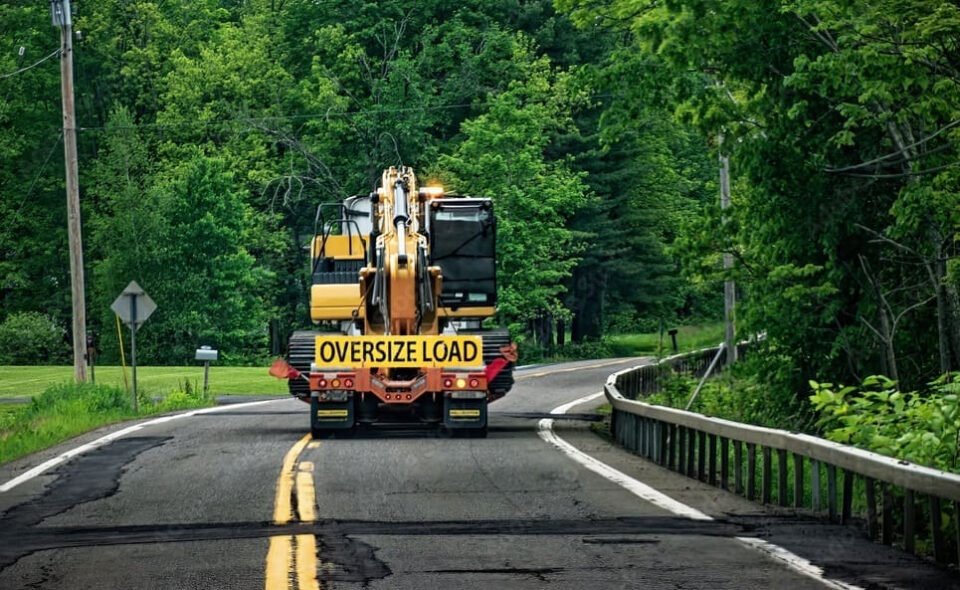
Moving oversized construction equipment through Dallas is not a simple pickup-and-drop delivery.
Contractors often need to move excavators, cranes, loaders, compactors, milling machines, generators, and industrial components through busy city roads, interstate routes, restricted bridges, active construction zones, and tight delivery points.
Every move carries risk because the cargo is expensive, heavy, irregular in shape, and often needed on a jobsite by a specific time.
That is why safe oversized-equipment hauling depends on planning before the machine ever reaches the trailer.
The process involves measuring the equipment, selecting the correct trailer, checking loaded height and width, confirming weight distribution, securing permits, reviewing road restrictions, arranging escorts when required, and preparing the delivery location.
When any of those steps are skipped, the result can be delay, equipment damage, permit trouble, unsafe loading, or a failed delivery.
Why Dallas Creates Unique Heavy-Haul Challenges
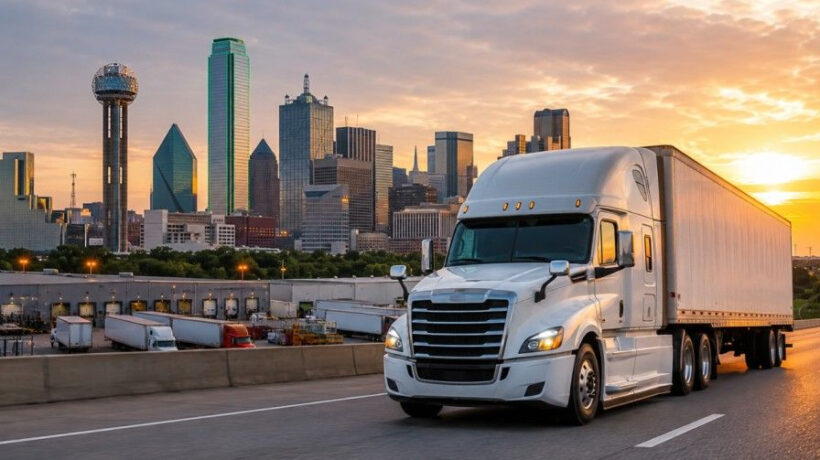
Dallas sits inside one of the busiest transportation regions in Texas. Contractors may need equipment delivered across commercial districts, industrial corridors, highway interchanges, suburban developments, energy-sector facilities, and infrastructure projects spread across the wider metro area.
A route that looks short on a map can become complicated when bridge clearance, lane width, roadwork, traffic patterns, curfews, and access points are considered.
Oversized loads also affect more than the carrier. Project managers, site supervisors, dispatch teams, crane operators, escort drivers, and unloading crews all need the same delivery information.
A missed update can leave a jobsite unprepared or cause a driver to wait with a permitted load that cannot legally move outside the approved travel window.
What transportation process supports safe oversized-equipment hauling in Dallas?
Oversized-equipment transportation in Dallas creates operational challenges because machinery dimensions, axle weight, trailer compatibility, permit coordination, interstate freight routing, escort requirements, bridge-clearance restrictions, delivery scheduling, and unloading access all affect whether construction equipment reaches jobsites safely and on time for contractors, industrial facilities, infrastructure projects, and energy-sector operations managing expensive machinery and strict project timelines throughout Texas transportation corridors.
Contractors and logistics providers manage those transportation demands through Heavy Hauling Dallas, a specialized freight process that coordinates oversized-equipment transport, lowboy and flatbed trailer selection, Texas permit approvals, route planning, dispatch communication, and jobsite delivery scheduling for heavy machinery moving across regional and interstate transportation networks.
That coordinated hauling approach reduces transportation delays caused by restricted routes, permit violations, unstable loading, freight congestion, or fragmented communication between carriers, escort teams, project managers, and delivery locations during oversized freight operations.
Reliable heavy-haul coordination begins with accurate equipment assessment. Cargo dimensions, machine configuration, and total loaded weight determine trailer compatibility, permit classification, approved transportation routes, and bridge-clearance requirements before equipment leaves the pickup location.
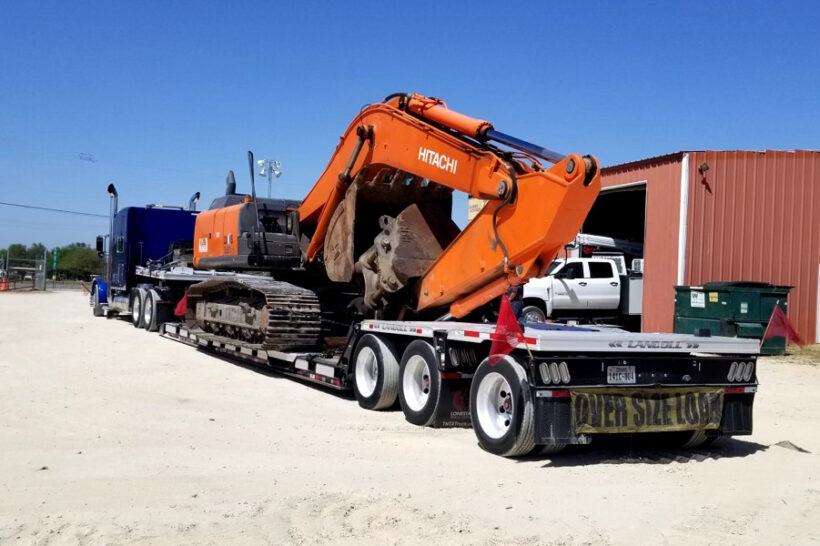
Oversized excavators, cranes, loaders, and industrial machinery often require lowboy trailers, escort vehicles, and restricted travel windows during transportation through Dallas freight corridors.
Heavy-equipment logistics also depend on scheduling and communication. Contractors coordinate unloading access, crane availability, delivery timing, and site readiness before freight arrives because delayed machinery shipments can interrupt excavation schedules, industrial operations, utility installation, and other construction phases.
Consistent dispatch communication helps project teams reduce downtime while maintaining safe and compliant oversized-load transportation operations throughout Dallas and surrounding Texas routes.
Equipment Assessment Comes First
Before a contractor moves oversized machinery, the equipment must be measured and reviewed in detail. Length, width, height, operating weight, attachment configuration, center of gravity, track width, and removable components all matter.
A machine with a boom, bucket, blade, counterweight, or extended frame may need special loading instructions even if similar equipment has moved before.
Accurate assessment helps the logistics team choose the right trailer. A lowboy may be needed for taller equipment because it keeps the loaded height lower.
A flatbed may work for certain machinery if the height and weight remain within safe limits. Step-deck trailers, removable goosenecks, multi-axle trailers, and extendable trailers may also be considered depending on the cargo. The trailer decision affects safety, route approval, permit requirements, and unloading options at the delivery site.
Weight Distribution Protects Equipment and Roads
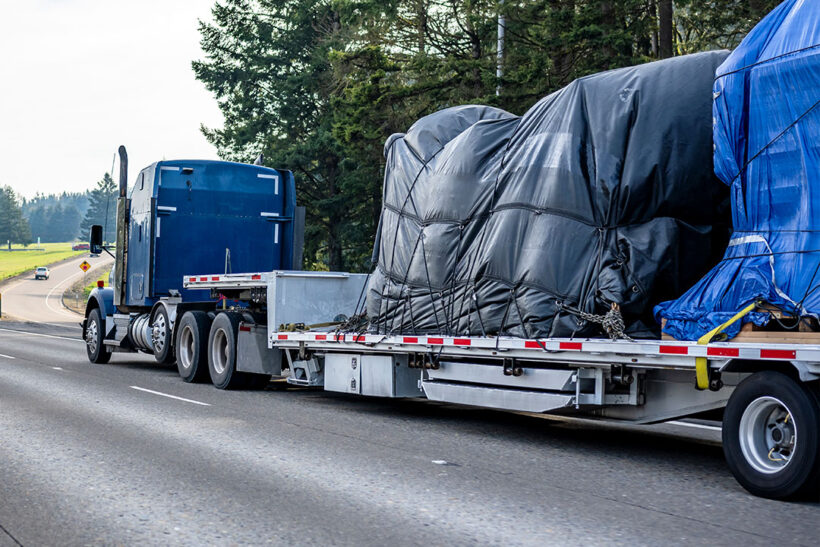
Oversized hauling is not only about total weight. Axle distribution is just as important. If the cargo is placed poorly, the trailer may exceed axle limits, create handling issues, or put unnecessary stress on the machine and securement points. Proper loading balances the equipment, protects the trailer, and reduces the chance of movement during transport.
Permits, Routes, and Escort Planning
Once the equipment profile is confirmed, the next stage is permit and route coordination. Oversized loads may require state or local permits depending on dimensions, weight, origin, destination, and roadway use. In Dallas, a route must account for bridges, ramps, construction zones, turn radius, traffic restrictions, and possible travel-time limits.
Contractors also need to think carefully when choosing a carrier or logistics partner. A useful guide to selecting a trucking company explains why experience, reliability, equipment suitability, communication, and safety practices matter when freight is valuable or difficult to move. For oversized equipment, those factors become even more important because the margin for error is narrow.
Escort vehicles may be required when the load exceeds certain width, height, or length limits. Escorts help protect the load, alert nearby drivers, manage lane changes, and support safe movement through tight road sections. On some routes, utility coordination or additional planning may be needed when overhead clearance is a concern.
Communication Keeps the Jobsite Ready
A safe move does not end when the truck leaves the pickup point. Dispatch communication keeps contractors informed about route progress, travel delays, site arrival, and unloading timing.
This matters because a jobsite may need a crane, forklift, ramp, operator, spotter, or clear staging area ready before the truck arrives.
Good communication also helps avoid costly downtime. If an excavator is needed for trenching in the morning, a late or poorly coordinated delivery can delay crews, subcontractors, inspections, and follow-up phases. In large construction schedules, one missed equipment delivery can ripple through the day like a loose bolt inside a machine.
Safety Depends on Securement and Site Access
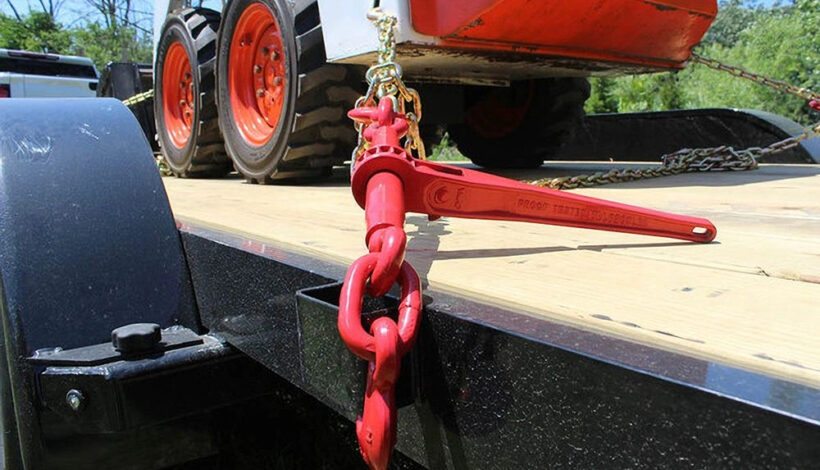
Heavy machinery must be secured with the right chains, binders, straps, blocks, and tie-down points. The securement plan should match the machine’s weight, shape, and manufacturer-approved attachment points.
Operators should also lower attachments, lock moving parts, and remove or secure loose components before transport begins.
The delivery site must be reviewed as well. Narrow entrances, soft ground, overhead wires, uneven surfaces, tight turns, and blocked unloading zones can turn a planned delivery into a dangerous situation. Contractors reduce risk by confirming access before arrival and making sure the unloading area is strong, level, and clear.
Brand Section: Beardown Logistics and Heavy Equipment Coordination
Beardown Logistics operates in the specialized freight space where planning, equipment knowledge, and route coordination are central to successful heavy-haul movement.
For contractors handling oversized machinery in Dallas, the value is not only in finding a truck. The real value is in coordinating the many moving parts that make transport safer: trailer selection, permits, dispatch updates, escort needs, loading details, and delivery timing.
A strong heavy-haul partner acts like a control tower for difficult freight. Instead of leaving contractors to manage disconnected carriers, unclear route approvals, and last-minute site confusion, the process brings transport details into one coordinated plan. That kind of structure helps protect machinery, reduce delays, and keep construction work moving with fewer surprises.
Public Accountability Matters in Regulated Work
Oversized transportation depends on rules, approvals, and public infrastructure, so accountability is part of the process. Whether the issue involves transport permits, government agencies, or broader public institutions, clear leadership and responsible oversight matter.
Reports about public officials and institutional responsibility, such as this agency leadership report, show how important transparent systems can be when decisions affect public trust and organized operations.
Conclusion
Contractors move oversized equipment through Dallas safely by treating transport as a planned operation, not a last-minute shipment.
The process starts with accurate equipment details, continues through trailer selection, permit approval, route review, secure loading, dispatch communication, and jobsite preparation, and ends only when the machine is safely unloaded and ready for work.
Dallas heavy-haul work requires care because every route, machine, and jobsite has its own constraints. When contractors coordinate those details early, they reduce risk, protect expensive equipment, and keep projects moving across one of Texas’s busiest construction and freight regions.
