
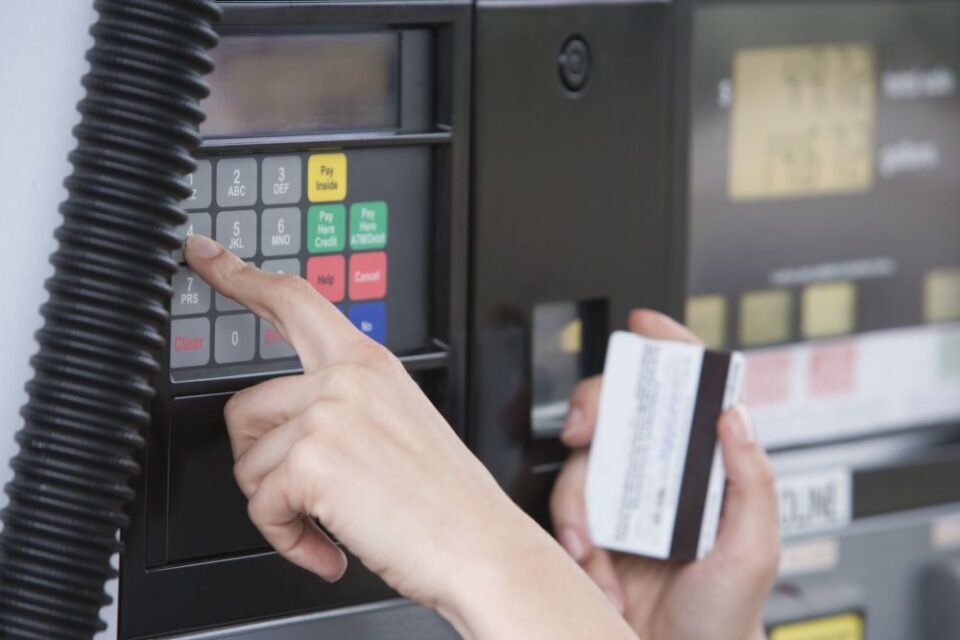
Fueling an RV in Florida is a different experience from fueling a regular car. Diesel prices are already higher than gasoline. An RV tank runs anywhere from 50 to 150 gallons depending on the rig. Do that math at the pump and the number staring back can stop a trip in its tracks before it has properly started.
Florida is long, with a lot of road between the panhandle and the Keys, and diesel at retail prices adds up in ways that make the fuel budget a serious planning item, not an afterthought.
What a lot of RV owners and diesel vehicle drivers in Florida have not yet discovered is that paying full retail at every pump is not the only option.
Diesel Fuel Savings Programs exist to change that equation, and the per-gallon savings over a season of travel can pay for themselves quickly.
1. Diesel Prices Vary More Than Most Drivers Realize
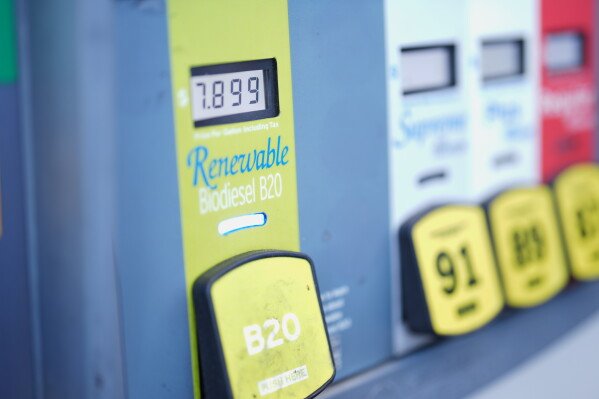
The price of diesel at a given pump on a given day in Florida is not a fixed reality. It varies by location, by supplier, by whether the station has negotiated pricing through a network, and by the timing of the purchase relative to commodity price movements. Two stations five miles apart on I-75 can post prices that differ by twenty cents or more per gallon.
A Fuel Card Program Florida diesel drivers and RV owners can access through Open Roads is built around locking in discounted per-gallon pricing at a network of participating stations.
Instead of pulling off the highway at whatever station appears first when the gauge drops, card holders can plan stops at stations offering the lowest available price within the network.
Over a hundred-gallon fill, a twenty-cent-per-gallon discount is twenty dollars back. Over a season of travel, it becomes a meaningful line item.
2. The Diesel Network Coverage Matters as Much as the Discount
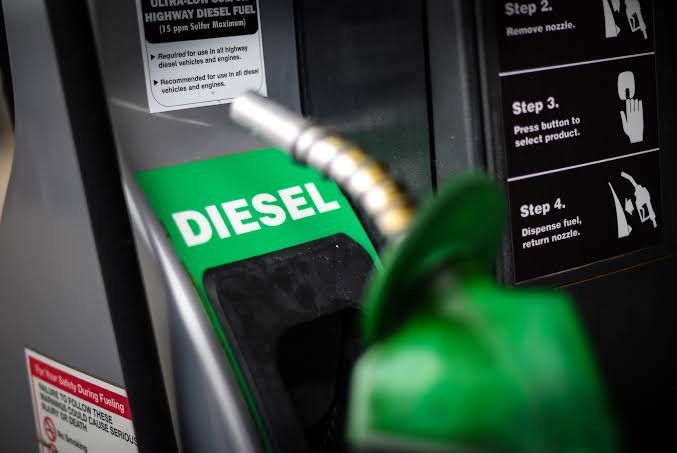
A savings program that only covers a handful of stations in one part of the state is not useful for someone whose route takes them through the panhandle, across Alligator Alley, or down the coasts.
Coverage needs to follow the traveler. Before committing to any Diesel Fuel Savings Program, it’s worth checking that the station network actually covers the routes on the planned itinerary rather than only the areas where the sign-up happened to originate.
3. Diesel Fuel Savings Programs Work Differently From Consumer Loyalty Cards
Gas station loyalty programs give points. Diesel Fuel Savings Programs give discounts at the point of purchase, applied immediately to the transaction rather than accumulating toward a future reward that requires a redemption process.
For RV owners who might be in Florida for a season before moving on, a points-based loyalty program at a regional chain has limited value.
A discount applied at every qualifying fill, from the first purchase, across any participating station in the network, is a different kind of program. The savings are real on the first stop, not hypothetical somewhere down the road.
4. Fuel Cost Tracking Becomes Automatic
One of the less-discussed benefits of a fuel card program is what it does to record-keeping. Every fuel purchase is logged automatically: station, date, quantity, price per gallon, total cost.
For RV owners managing a travel budget across months on the road, this removes the need to track diesel receipts manually and provides a clear picture of exactly what fuel has cost across the trip.
That data is also useful for planning future trips. Knowing what a specific route cost in fuel, at what average price per gallon, with what consumption per mile, is the kind of information that turns guesswork into actual budgeting.
Florida snowbirds who make the same migration south each year get better at estimating fuel costs with every additional season of data.
5. Large Tank Fills Make Per-Gallon Savings Add Up Fast
The mathematics of diesel savings programs favor large-tank vehicles in a way that does not apply to regular cars. A passenger car fills up at ten or twelve gallons. A Class A motorhome fills up at a hundred gallons or more.
A twenty-cent-per-gallon discount that is barely noticeable on a car fill becomes a twenty-dollar saving on a hundred-gallon RV fill.
Do that ten times during a Florida winter season and the savings program has returned two hundred dollars on the fuel spend alone, without counting any other benefits. The larger the tank, the faster a Diesel Fuel Savings Program pays for itself.
6. Planning Stops Around the Network Changes How Trips Get Routed

Access to a fuel discount network changes trip planning in a subtle but useful way. Rather than stopping wherever fuel appears when needed, cardholders start building awareness of where network stations sit along planned routes.
A slight detour to a participating station that saves thirty cents per gallon on a hundred-gallon fill is a detour worth making.
Open Roads provides tools to locate participating diesel stations along a route, which integrates with the kind of advance planning most serious RV travelers already do.
Fuel stops go from reactive to planned, which also tends to mean fewer situations where an unfamiliar pump in an inconvenient location is the only option because the tank hit reserve unexpectedly.
Conclusion
Florida is an expensive state to drive a diesel vehicle in at retail prices. The distance is real, the tank sizes are real, and diesel pricing moves in ways that regular fuel does not.
A Diesel Fuel Savings Program through Open Roads addresses all of this directly: discounted per-gallon pricing across a network that covers the routes Florida diesel drivers and RV owners actually travel, with automatic record-keeping and savings that compound with every large fill.
The shoebox of diesel receipts and the full retail price at every pump are both optional. Most travelers who discover the alternative do not go back.
