
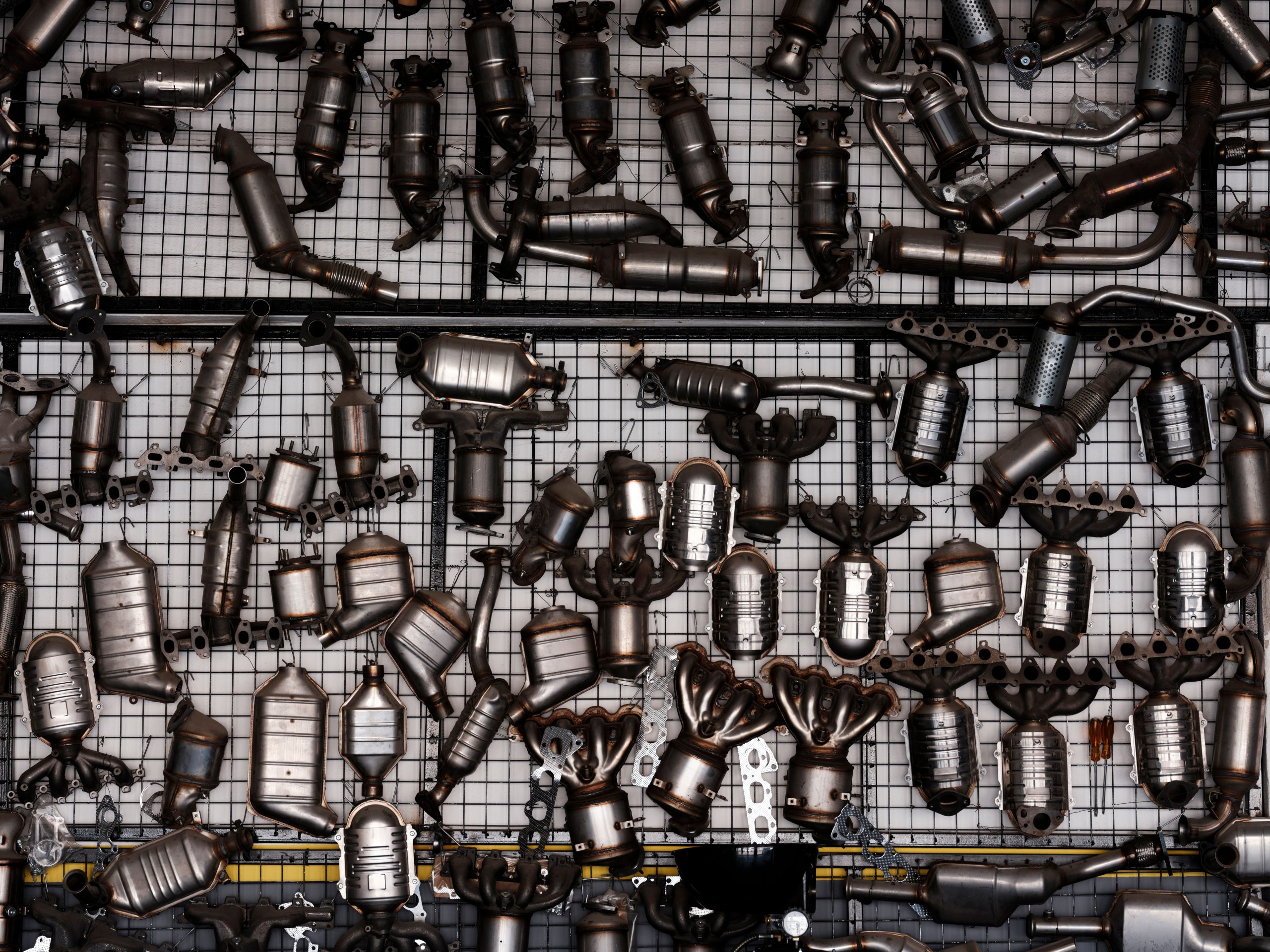
Diesel truckers frequently ask about the merits of 4inch and 5inch exhausts. Although intuitively, many perceive 5inch to be superior and there are numerous forum posts which seem to regard this as an instant step-up. However, in fact, both 4inch and 5inch pipes have good points and the optimal decision is affected by the engine, truck and personal factors, plus how the truck is used.
Below I analyse the features of the 4inch and 5inch exhausts. Information given includes pipe size, variations in design, installation, space and noise. I also analyse the performance benefits of pipe sizes and analyse pricing for both types.
Dimensions and Available Configurations

As mentioned, the numbers relate to internal pipe diameter. Cross-sectionally, 4inch has around 12.6 square inches and 5inch has around 19.6 – so there is over a 50% increase. Understandably then, 5inch is often highly regarded. However, although cross-section is significant, it is by no means the only issue.
There are various designs available. Most commonly, a 4inch exhaust is a single pipe that fits into the original location of the filter. It then attaches to the original downpipe and tailpipe. Other designs remove all components from the turbo and onwards; the system then comprises a new downpipe, mid-pipe and tailpipe. Exhausts can also include a muffler or just a resonator. Fully mandrel bent, single pipe (no noise modification) is also available. Tips can be rolled, slashed or tapered. Typically 4in exhausts are used on stock and mildly tuned trucks. On the other hand, 5in is commonly found on highly tuned engines and on trucks used for heavy tasks.
Fitment, Clearance, Materials, and Sound
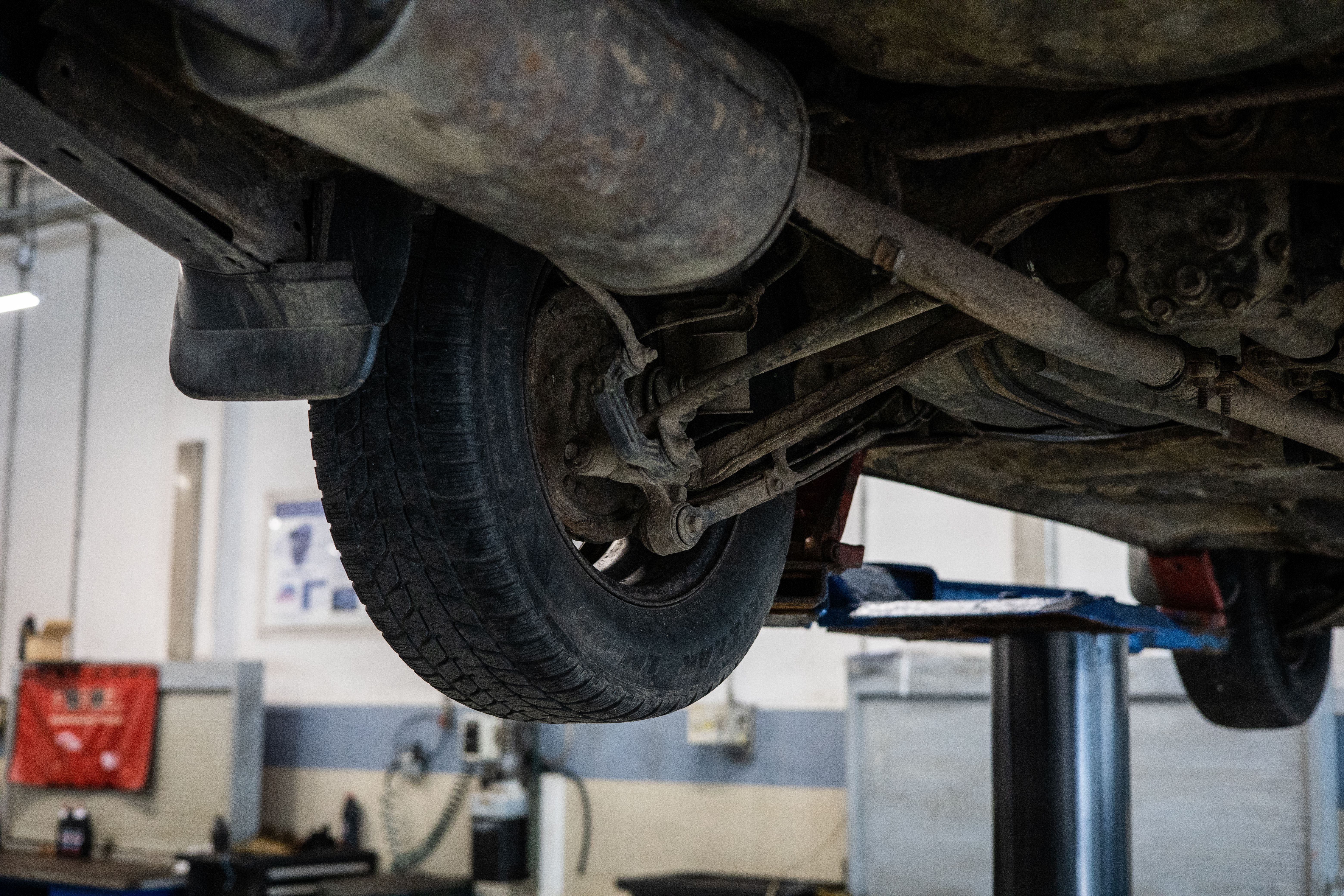
Installation is where 4in and 5in exhausts diverge most. Typically, 4in can be installed along similar lines to the original exhaust. However, 5in is bulkier and can be near frame rails, the driveshaft, fuel tank and/or spare tyre rack on some trucks. Similarly, 5in tailpipes can cause issues either fitting onto a truck’s rear bumper or alongside a trailer hitch. It is important therefore to establish your truck’s cab and bed design, wheelbase and current accessories such as a hitch, toolbox and/or non-original bumper prior to purchasing.
Pipe material is also an important area. Aluminized steel is the most economical option. Although it works sufficiently well for standard use, it is susceptible to welding and corner corrosion, particularly if the local climate involves road salting during winter. Stainless steel (typically 409 or 304) is much more durable and is resistant to thermal expansion and contraction. Even though stainless steel is pricier to initially purchase, many truck owners consider that in the truck’s lifetime it offers better value for money. Pipe wall thickness and the quality of the mandrel bends are also key. Poorly formed bends impede gas flow, even if the pipe is large in diameter.
Noise is another key consideration. Post filter and muffler, diesel truck exhausts are naturally deep and boomy. Generally, the bigger the pipe, the deeper and bluer the noise. Usually, 4in exhausts fitted with a muffler generate a reasonably deep but not unpleasant noise. However, a 5in un-muffled exhaust can become excessively whistling, particularly at higher speeds. Long journeys can become tiring in these conditions. If you regularly tow, commute or transport people then fitting a resonator or muffler may be suitable.
Why Diameter Alone Does Not Decide Performance
Whilst it is popular to believe that a truck will perform better with a larger exhaust, this is not always true. Engines require adequate gas flow for efficient expulsion of exhaust fumes. Once a pipe is of sufficient size to cater for the engine’s gas flow, further increases in pipe size bring relatively small performance benefits. Typically, engines from stock or mildly tuned trucks do not generate sufficient exhaust gas volume to necessitate a 5in pipe. Furthermore, a 5in pipe can in fact reduce gas speed and this can adversely affect bottom-end performance. It may also marginally affect turbo response.
Whilst pipe size is an important factor, there are numerous other aspects which affect performance. These include pipe corner and weld quality, downpipe state of repair and tuning. Of greatest importance is engine performance. Trucks producing considerably in excess of 600hp and fitted with large turbos can greatly benefit from 5inch pipes due to their enhanced gas flow. Conversely, trucks close to stock levels rarely benefit greatly from 5inch pipes. The turbo, inlet and fuel systems all also affect overall truck performance. The exhaust cannot compensate for under-performance in these areas. This has been shown time and again using dynamometer testing. Some truck owners report slight performance benefits from changing to a 5inch exhaust, whereas others do not.
Comparing Costs and Purchasing Considerations
Price is a practical way to narrow things down. When you look through 4-inch and 5-inch DPF delete kits, you will notice that the five-inch versions usually cost more. They use more material, and the larger fittings and tips add to the bill. The difference between sizes can be modest on aluminized setups and much bigger once stainless steel enters the picture.
In addition to price, consider what is provided within the exhaust kits. Items such as gaskets, clamps, hangers and sensors may or may not be included. Having a full exhaust kit avoids the need to source additional items during installation. Should you opt for just a pipe, however, you may need to visit the store more than once. Installation costs can also vary. On a truck with restricted space, for example, a 5inch exhaust can be more labour intensive to fit. Add to this the cost of having a professional fit the exhaust and costs can escalate quickly. If your truck requires re-tuning so that it functions correctly without a filter, then this should also be factored into your expenditure.
Finally, investigate the retailer’s refund and warranty policies. As exhausts are large items, it can be problematic to return incorrectly sized 5inch or 4inch pipes. Ensure that there is detailed information on the suitability of exhausts for particular trucks. Additionally, seek genuine customer feedback and choose a vendor that is happy to provide advice for your specific truck.
A Note on the Law
It is illegal to remove or tamper with emission control equipment on vehicles which are road-legal. Many states also reject test results for trucks which have had their filter removed. The Clean Air Act has prosecuted both retailers and fitters for breaking the law. Furthermore, “off-road use only” markings on exhausts do not alter a truck’s road-legal status. Always research relevant federal and state legislation prior to purchasing, as registration, testing, re-sale value and warranty can all be impacted.
When you are ready to compare options, browsing diesel exhaust components from SuncentAuto can give you a clearer sense of which pipe sizes, materials, and complete setups are available for your engine. Seeing the choices next to each other makes it easier to match the product to your truck rather than guessing from a spec sheet.
Ultimately, both 4inch and 5inch exhausts have their own advantages. For the majority of trucks, particularly those that are stock or slightly tuned, 4inch is generally the wisest option as it is simpler to install, is not as deeply noisy and is more economical. 5in pipes are however appropriate for high performance trucks which can utilise the increased gas flow and have the space to do so. Consider your engine performance, truck space availability and desired noise level. Although a larger exhaust is not always ideal, the perfect exhaust for you will depend on your truck and your requirements.
