
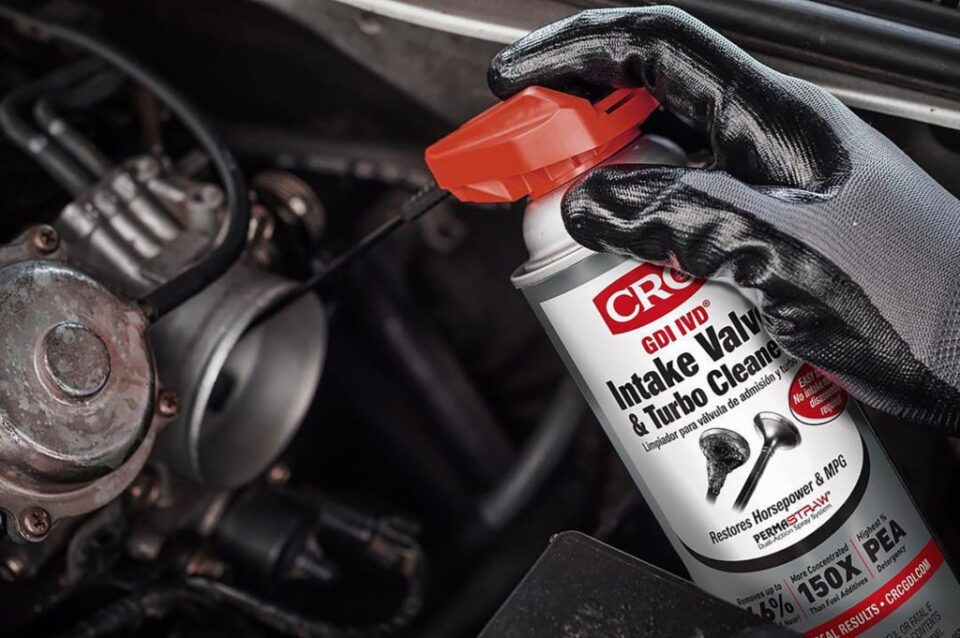
Engines are marvels of engineering, designed to convert fuel into energy while powering vehicles, appliances, and machinery.
At the core of this conversion process are the intake and exhaust valves, pivotal components that regulate the flow of air and fuel mixture into the engine’s combustion chamber and expel exhaust gases.
The intake valves open to allow air-fuel mixture into the cylinders while sealing tightly when closed, ensuring optimal compression and combustion.
This precision is critical, as even minor disruptions in valve functionality can lead to significant performance issues.
Modern internal combustion engines typically have multiple valves per cylinder, allowing for increased airflow and, consequently, better performance.
Engine architecture varies widely, from inline to V configurations, but the fundamental purpose of the valves remains consistent: to manage air intake and exhaust efficiently.
With advanced technologies, such as variable valve timing, these components have seen improvements in performance and emissions.
However, these enhancements also require more stringent maintenance practices, particularly concerning carbon buildup, which can impede their operations significantly.
The Detrimental Effects of Carbon Buildup
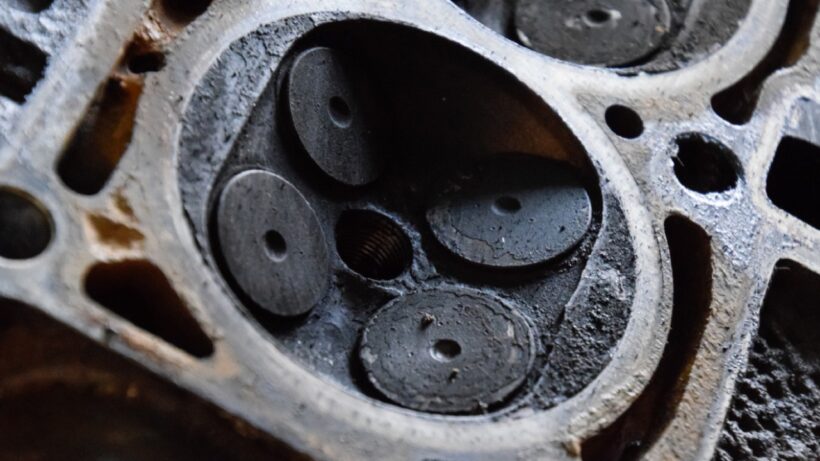
Carbon buildup on intake valves is a prevalent issue faced by many vehicle owners, leading to a range of declines in performance.
As fuel burns, it leaves behind carbon deposits, especially if the fuel doesn’t completely combust.
Over time, these deposits accumulate on the intake valves, restricting airflow and compromising the engine’s timing and fuel economy. This buildup can create a rough idle, difficulty starting, and noticeably reduced power during acceleration.
Moreover, the impact of degraded valve performance extends beyond merely the engine’s power output. Engines struggling with carbon buildup often experience increased emissions, ultimately leading to potential issues with regulatory compliance.
Formed partly due to characteristics in certain fuel types and engine designs, this buildup can necessitate more frequent repair and maintenance interventions, which may inflate ownership costs.
Some studies have indicated that engines with severe carbon deposits can suffer a drop in fuel efficiency by up to 30%, underlining the need for regular intake valve maintenance and cleaning to avoid such drastic declines.
Choosing the Right Intake Valve Cleaner: What to Look For
Key Ingredients That Make a Difference
When it comes to selecting an intake valve cleaner, understanding the ingredients and their intended effects is crucial. Effective cleaners often contain solvents, detergents, and lubricants specifically designed to dissolve carbon deposits and restore optimal valve functioning.
Chemicals such as polyether amines and polyisobutylene amines are common in high-performing cleaners, as they are specifically formulated to tackle tough carbon deposits without damaging the engine’s internal components.
Another important component in many intake valve cleaners is a compound known as PEA (polyetheramine).
PEA is known for its effectiveness in cleaning fuel injectors and combustion chambers, playing a vital role in reducing carbon accumulation over time.
Cleaners that incorporate PEA often target stubborn deposits that traditional solvents may miss, offering a more robust solution for maintaining clean intake valves.
It is also essential to consider the compatibility of the chosen cleaner with your specific engine type and fuel system. Some cleaners are specially formulated for direct fuel injection systems, while others might be better suited for older carbureted engines.
Therefore, checking for compatibility is key to preventing any adverse effects and ensuring maximum efficiency.
Eco-Friendly Options: Balancing Performance and Sustainability
As environmental concerns continue to rise, many consumers are seeking eco-friendly intake valve cleaning solutions. Manufacturers have started to innovate within this area, creating products that not only promise performance but also minimize environmental impact.
Eco-friendly cleaners typically rely on biodegradable ingredients that are less harmful to the planet compared to traditional automotive chemicals.
When searching for a green alternative, look for products that tout low VOC (volatile organic compounds) emissions.
These compounds are often associated with air pollution and health risks, and using cleaners with a reduced VOC profile contributes to a more sustainable automotive maintenance routine.
Moreover, many eco-friendly cleaners leverage natural enzymes or biologically-based solvents, which effectively break down carbon deposits without resorting to harmful chemicals, thus ensuring safety for both the user and the environment.
Keep in mind that while eco-friendly formulations can be effective, consumers should research and read reviews about specific products to confirm that they deliver results akin to traditional methods.
Proper validation through case studies or testimonials can provide insights into their effectiveness, ensuring you’re making an informed choice in favor of sustainability.
Effective Application Techniques: Getting the Most Out of Your Cleaner
Step-by-Step Guide to Cleaning Your Intake Valves
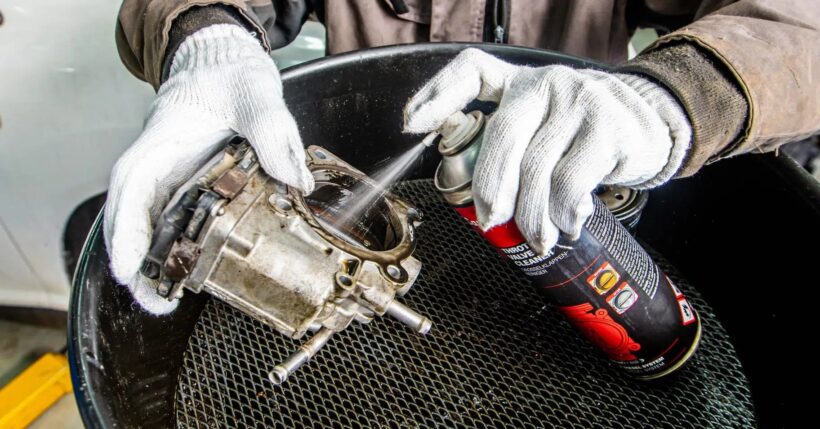
Proper application of intake valve cleaner is pivotal for achieving optimal results. Here’s a comprehensive, step-by-step guide for effectively cleaning your intake valves:
- Choose the Right Time: It is recommended to apply intake valve cleaner when the engine is cool to prevent any risk of burns. Ideally, plan for this maintenance while performing other routine upkeep tasks.
- Gather Your Materials: Ensure you have the appropriate intake valve cleaner, safety gloves, and protective eyewear. If necessary, obtain additional tools like a funnel and vacuum to assist in the application.
- Application Process: Depending on the product, there are two main application methods—direct intake application or via the fuel tank. For direct application, disconnect the air intake and use a funnel to introduce the cleaner directly into the intake. This approach generally provides stronger results, allowing the cleaner to collect and dissolve carbon deposits effectively.
- Run the Engine: After introducing the cleaner, start your engine and let it run for about 10 to 15 minutes. This step allows the cleaner to circulate and penetrate thoroughly, breaking down any buildup.
- Vacuum and Clean Up: If there are access points for residual carbon to escape, consider using a vacuum to collect it. Afterward, thoroughly clean any tools and surfaces that came into contact with the cleaner.
- Final Checks: Once complete, observe the vehicle’s performance. Look for improvements in acceleration, idle smoothness, and fuel consumption.
Common Mistakes to Avoid While Applying Cleaner
While cleaning intake valves appears straightforward, several common pitfalls can lead to less-than-desired outcomes. Here are mistakes to watch out for:
- Ignoring the Product Instructions: Each intake valve cleaner may have unique application requirements. Ignoring these instructions can hinder effectiveness. Always read the label and follow recommended guidelines to get the best results.
- Overusing the Cleaner: Using excessive quantities can lead to engine damage or create high levels of residue if the cleaner is not able to effectively vaporize. Less is often more when it comes to intake valve cleaning.
- Neglecting Engine Oil Maintenance: Cleaning intake valves should be part of a broader maintenance regime, including oil changes. Failing to maintain engine oil can result in extensive wear and prevent optimal performance.
- Not Addressing Underlying Issues: If performance issues persist even after cleaning, there may be deeper engine problems at play. It’s crucial to diagnose and resolve any underlying engine issues before relying solely on valve cleaners.
Long-Term Benefits of Regular Intake Valve Maintenance
Enhancing Fuel Efficiency and Engine Longevity

Regular intake valve maintenance, including cleansing from carbon buildup, brings invaluable benefits. One of the most noticeable impacts is enhanced fuel efficiency. Clean intake valves allow for optimal airflow, resulting in a more efficient combustion process.
This leads to better fuel conversion, meaning drivers can expect to burn less fuel for the same power output. Studies have shown that regular cleaning can improve fuel economy by 5% to 15%, translating into significant cost savings over time.
Furthermore, maintaining clean intake valves directly correlates to improved engine longevity. An engine that operates with clean valves experiences less strain and wear from uneven combustion and fuel flow.
Over time, this can result in fewer repairs, longer intervals between necessary maintenance, and an extended overall vehicle lifespan. By preventing carbon buildup, the engine retains its structural integrity, sparing the vehicle owner from significant repair expenditures associated with major engine overhauls.
Real-World Case Studies: Success Stories of Engine Revitalization
Many vehicle owners have shared comprehensive success stories of how intake valve cleaners transformed their driving experience.
In one instance, a 2016 Ford F-150 owner noted a dramatic improvement in performance and fuel efficiency after using a reputable intake valve cleaner.
Following a simple application, the driver reported a smoother engine operation, precise throttle response, and observable gains in miles per gallon during highway travel.
Another case involved a Subaru WRX owner who experienced a power dip that had become problematic in both daily driving and competitive settings.
The solution came in the form of a high-quality intake valve cleaner, which was administered during routine maintenance.
Post-application tests showed remarkable improvements in both power outputs on a dynamometer and a drop in emissions levels, effectively ensuring the vehicle remained compliant with environmental regulations.
While individual results may vary, the testimonies shared amongst users underline an overarching truth: regular intake valve cleaning can significantly revitalize vehicle performance.
Combined with conscious driving habits and consistent preventive maintenance, drivers can enjoy the full benefits of a well-maintained engine, enhancing both the driving experience and overall satisfaction in vehicle ownership.
