

A car rarely lives an isolated life. It spends its days dealing with the same roads, weather, and traffic, parking conditions, and driving routines as its owner. Over time, those surroundings become part of the vehicle’s story.
That is why two cars of the same age can arrive at a repair shop in completely different condition. Good automotive service starts by understanding that difference, not pretending every vehicle needs the same treatment.
Vehicle-Specific Expertise Matters
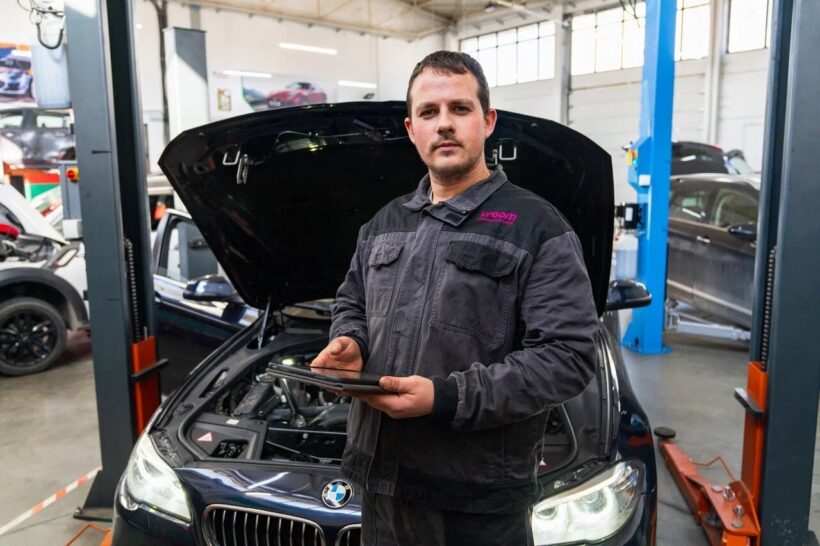
A mechanic who knows cars is useful. A technician who understands your particular make, model, and system can be far more valuable.
Different vehicles have different engineering, known problem areas, diagnostic procedures, parts requirements, and repair considerations. What works for one model may be completely wrong for another.
That is why Experienced Auto Service Virginia Beach VA professionals diagnose each vehicle based on its make, model, condition, and specific problem, not by following a one-size-fits-all checklist.
The technician should listen to the symptoms, understand the model, diagnose before replacing parts, and explain what the findings actually mean.
For the owner, that also means getting a realistic estimate, understanding what needs attention now, and knowing what can wait. Real expertise is not about repairing more. It is about knowing the vehicle well enough to repair it right.
1. Virginia Regulations and State Safety Inspections

Nobody particularly enjoys dealing with inspections, but there is a bigger mistake than treating one as a yearly formality: treating it as the whole picture.
Virginia requires an annual safety inspection, and a good shop can use that appointment to spot problems before they turn into roadside surprises.
A careful technician can look at:
- Braking and steering components
- Tires, lights, and safety equipment
- Suspension and other roadworthiness-related components
- Conditions that could become expensive problems later
There is also a distinction between Virginia’s safety inspection and its emissions program. Emissions testing applies to vehicles in designated localities, not automatically to every vehicle in Virginia Beach.
That matters because good service is also about knowing what not to sell you. A trustworthy technician from a premium and reliable auto repair facility like London Bridge Auto and Transmission Repair Shop Virginia Beach explains what your vehicle actually requires and why.
2. Virginia Beach Weather Makes AC Service More Than a Summer Convenience
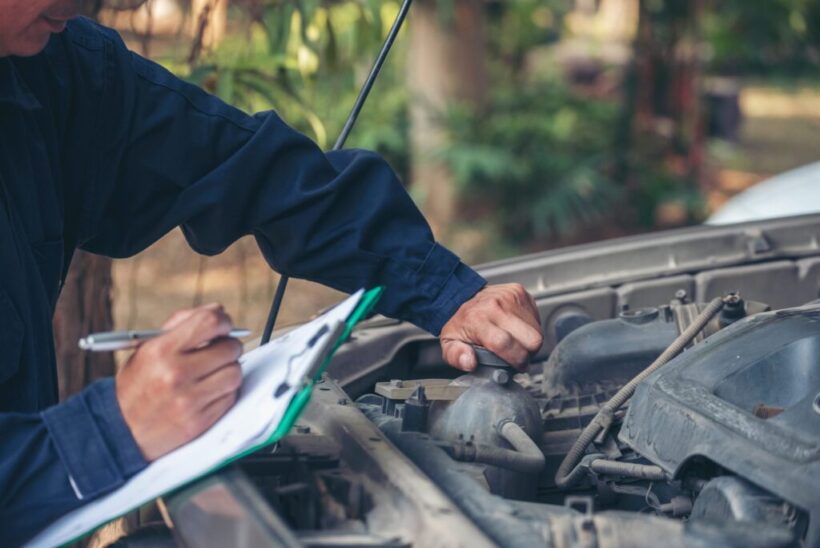
You really notice a weak AC system when Virginia Beach gets hot and humid. A car that felt perfectly comfortable in spring can become miserable surprisingly quickly once summer arrives.
And simply adding refrigerant is not always the answer. If the system is losing refrigerant, something is causing it. That needs to be found.
A specialist may need to investigate:
- Refrigerant leaks
- Compressor performance
- Condenser and evaporator condition
- Electrical controls and blower operation
- Airflow restrictions
The driver’s experience can actually provide useful clues. Maybe it cools on the highway but struggles in traffic. Maybe it takes forever to get cold. Maybe the airflow is weak even though the temperature seems right.
Those details matter. Good AC service is about finding the fault, not just making the vents cold for a few days.
3. The Coastal Environment Can Change How a Vehicle Ages
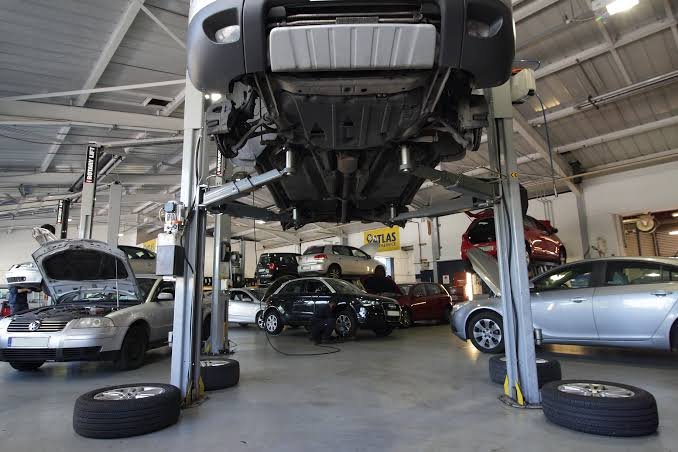
Living near the coast has its advantages, but your car does not get to enjoy the scenery without consequences. Moisture and salt in the coastal environment can gradually contribute to corrosion, particularly underneath the vehicle.
That does not mean every Virginia Beach vehicle is destined to rust away. It means corrosion deserves a place in the conversation when the vehicle is being inspected.
This becomes particularly relevant when inspecting:
- Exhaust components prone to rust
- Brake lines and hardware affected by corrosion
- Fasteners and suspension components vulnerable to rust
- Undercarriage areas exposed to corrosion
- Body seams and other vulnerable surfaces where rust can spread
The frustrating thing about corrosion is that you may not notice it until it has already become a problem. A technician who catches early deterioration can tell you whether it needs attention now or simply monitoring.
For owners keeping a vehicle long-term, that judgment can save both money and unnecessary repairs.
4. Alignment Problems Often Begin With Everyday Driving

You do not need one spectacular pothole to mess up your alignment. Sometimes it is the accumulation of ordinary driving; rough pavement, curbs, uneven surfaces, and the occasional hard bump—that gradually changes how the vehicle sits on the road.
The warning signs can be easy to dismiss:
- The steering wheel no longer sits straight.
- The car seems to pull slightly.
- A tire starts wearing strangely.
A computerized alignment can show whether the wheel angles are where they should be. But here is the part that often gets missed: why did the alignment change?
If worn suspension components are responsible, simply correcting the angles may not solve the underlying problem. A good technician checks the condition of the related components rather than treating the alignment machine as the final answer.
That extra investigation is where proper service separates itself from a quick adjustment.
5. Engine and Transmission Problems Demand Diagnosis Before Replacement
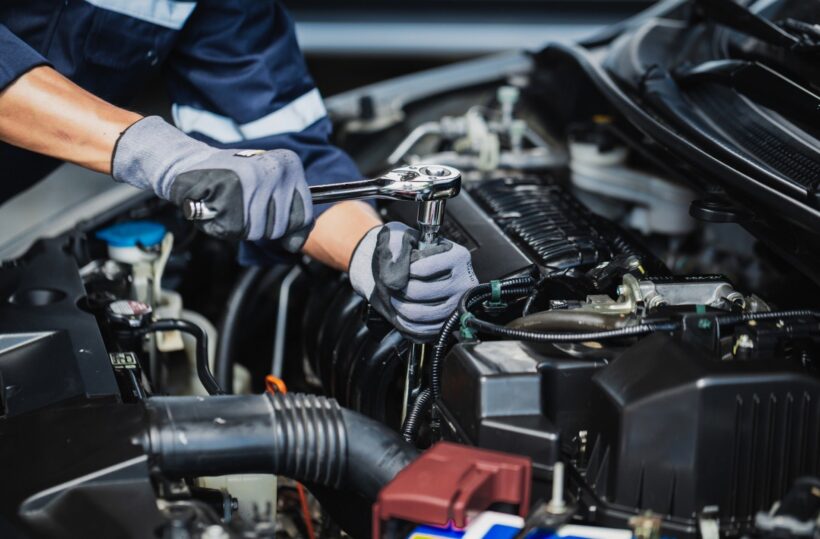
When an engine starts behaving badly or a transmission begins shifting strangely, it is understandable to fear the worst. But a symptom is not a diagnosis, and you shouldn’t base an expensive repair on guesswork.
Modern vehicles combine mechanical parts with electronics, sensors, computers, and software. The same warning can sometimes point technicians toward very different problems.
This is why advanced diagnostics should come before major repair decisions whenever possible.
A capable repair facility can approach the problem through:
- Electronic diagnostic testing
- Mechanical inspection
- Fluid and component evaluation
- Manufacturer-specific procedures
- Road testing and symptom verification
ASE certification is valuable, but experience still matters in the bay. The technician has to interpret what the vehicle is actually telling them.
If rebuilding an engine or repairing a transmission is necessary, the owner should understand what failed, what can be saved, and why that particular repair is being recommended.
6. Preventative Maintenance Is Really About Protecting Your Time
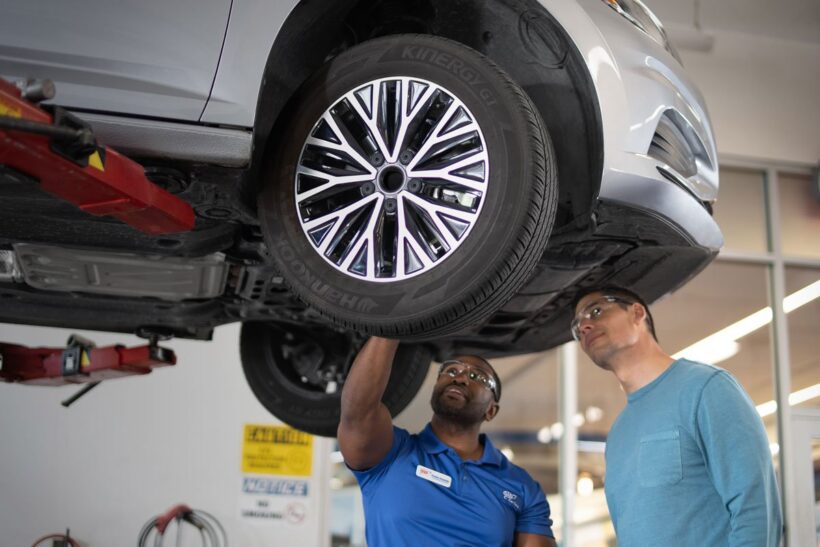
Most people are happy to postpone maintenance when the car starts every morning and gets them where they need to go. That is perfectly understandable, until the vehicle chooses an inconvenient day to disagree.
A battery can quit before work. A tire problem can appear halfway through a trip. A neglected fluid or worn component can turn a manageable repair into a much bigger one.
A sensible maintenance strategy considers how the vehicle is actually used. Before a longer drive from Virginia Beach toward Richmond or Washington, D.C., for example, a professional pre-trip assessment could look at:
- Tire condition and pressure
- Battery health
- Brakes
- Fluid levels and visible leaks
- Belts and hoses
- Shocks and struts
- Warning lights and diagnostic codes
The point is not to inspect everything imaginable. It is to identify the things most likely to matter for your vehicle and journey. That is preventative maintenance done intelligently.
In essence, the better question is not simply, “Where can I get my car fixed?” It is about who understands what this particular type of vehicle, what it needs, where it operates, what it needs next, and can investigate what it has been through.
That shift in thinking leads to better decisions. Quality service should leave you with more than a repaired vehicle, it should give you a good return of investment and leave you with greater confidence in what comes next and what you can handle.
