

Owning a car is one of those things that feels simple until something goes wrong. You drive it, put fuel in it, keep an eye on the dashboard and expect it to get you where you need to go.
Then one day, a warning light appears or an unfamiliar sound starts creeping in. Suddenly, you are making decisions about repairs you may not fully understand, and that is often when a manageable problem can become an expensive one.
Ignoring Auto Repair Expertise with Your Car Brand

A mechanic can be experienced and still not be the best fit for every vehicle. Modern cars can have manufacturer-specific electronics, diagnostic procedures, software, components, and service requirements. A problem that looks straightforward on one brand may require a completely different approach on another.
Before approving a complicated repair, it is worth asking:
- Does the shop regularly work on your make and model?
- Does it have the appropriate diagnostic equipment?
- Can the technicians access relevant manufacturer specifications?
- Are they familiar with common problems affecting your vehicle?
This does not mean every repair needs to go to a dealership. A knowledgeable independent specialist may actually be an excellent choice.
What matters is relevant expertise. When your partner with Car Repair Virginia Beach VA professionals who deeply understand your particular vehicle, diagnosis becomes more focused, repairs more appropriate, and the risk of paying for unnecessary parts or repeated work considerably lower.
Replacing the Part before Finding the Problem
A Check Engine Light comes on. The vehicle still drives, so you take it in expecting a quick answer. The scan shows an oxygen-sensor-related code, and suddenly you are being told the sensor needs replacing. It sounds reasonable. Except the sensor may not be the problem at all.
A vacuum leak, wiring issue, intake problem, or fuel-delivery fault can produce readings that make a perfectly good sensor look suspicious. Replacing it without testing the system is essentially guessing with your money.
This is where good diagnostics separate experienced repair work from parts swapping. A technician may need to look at:
- Live data while the engine is running
- Electrical signals and wiring
- Fuel and air readings
- Smoke or pressure-test results
It can take a little longer to get to the answer, but finding the actual cause once is usually better than paying for three parts that never fixed it.
Treating Maintenance and Parts as Places to Cut Costs
Trying to control repair costs makes sense. The mistake is assuming the cheapest option is automatically the smartest one.
A vehicle can continue running while fluids deteriorate, belts age, filters become restricted, and worn components place more strain on other systems.
Then there is the temptation to choose the least expensive replacement part. A cheap brake, suspension, or engine component may reduce today’s bill but cost more if it wears prematurely and the repair has to be repeated.
Good maintenance is really about timing and judgment. A technician should help you understand:
- What needs attention now
- What can wait
- What the manufacturer recommends
- Where paying for better-quality parts makes sense
Sometimes OEM is the right choice; sometimes a reputable aftermarket part is perfectly suitable. The value comes from knowing the difference, and considering the vehicle’s long-term reliability rather than simply chasing the lowest invoice.
Forgetting That Virginia Beach Is a Coastal Environment

If you drive around Virginia Beach long enough, you learn that the weather can be hard on more than your paintwork. Moisture and salty coastal air can encourage corrosion underneath a vehicle. Winter road salt can add another layer of trouble.
And because much of this happens out of sight, a car can look perfectly respectable from the outside while corrosion is quietly developing underneath.
That matters when a repair involves components that have been exposed for years. A suspension job, for instance, may sound straightforward until a technician gets underneath the vehicle and finds heavily corroded fasteners or mounting points. Brake lines, exhaust components and underbody hardware can present similar challenges.
A sensible inspection therefore looks beyond the part being replaced. It considers the surrounding metal too. For a coastal vehicle, that means paying attention to:
- Frame and undercarriage condition
- Brake lines and mounting areas
- Exhaust components
- Corroded bolts, brackets and connections
Knowing what local conditions do to vehicles is part of doing the job properly. It allows the repair to be planned around the vehicle you actually have—not the idealized version of it.
Saying “Go Ahead” Without Knowing What You Are Paying For
Few things sour a repair experience faster than an invoice that is much higher than expected. Sometimes the additional work is legitimate. A hidden problem can become visible once a component is removed. That happens. The real issue is whether anyone took the time to explain the change before the work continued.
A clear estimate should tell you what you are paying for—not leave you trying to decode the final bill afterward.
Ideally, you should be able to see the difference between:
- Diagnostic work
- Parts
- Labor
- Shop or disposal fees
- Additional repairs discovered during the job
And if something changes, you should hear about it before the repair moves forward.
This is where modern communication helps. Photos, inspection reports and digital estimates can make the conversation much easier.
You do not have to become a mechanic overnight. You simply deserve enough information to know what is wrong, what it will cost, and why the recommendation makes sense.
Finishing the Suspension Repair and Forgetting the Alignment
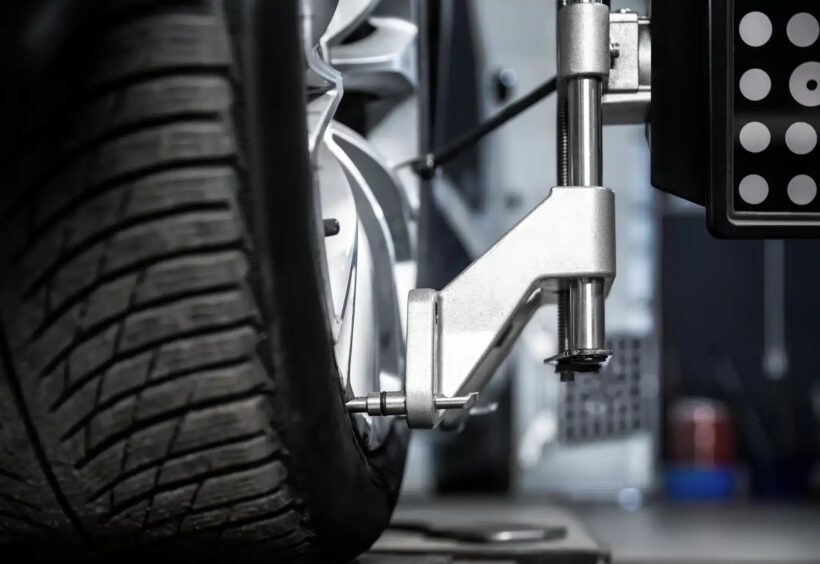
You have just paid to replace a worn steering or suspension component. The vehicle feels better, so naturally you assume the job is finished. Not necessarily.
Work involving tie rods, ball joints, control arms and other steering or suspension components can affect wheel geometry.
If the alignment is no longer within specification, you may eventually notice the vehicle pulling to one side or the steering wheel sitting differently. More frustratingly, your tires can begin wearing unevenly.
By the time you notice that wear, you may be looking at another expense.
The important point is that alignment is not automatically required after every repair. It depends on what was changed and how the vehicle’s geometry was affected.
A reliable car repair shop will inspect the vehicle, assess whether alignment has been affected, and recommend it when the measurements and repair history actually justify it, rather than treating alignment as either an automatic add-on or something to overlook.
When alignment is appropriate, modern equipment can measure the vehicle against its specified geometry and identify deviations precisely.
That final check is easy to overlook. It is also the kind of detail that separates a repair that is merely finished from one that has actually been completed properly.
In essence, excellent automotive service is ultimately about judgment in regard to complex diagnostics, tough calls, and value choices, while relying on hard data, aligned tools, and strict rules.
The strongest repair relationship is not built around selling the most work; it is built around understanding the vehicle, explaining the evidence, and choosing a sensible path forward.
