

Ever wonder why your phone knows when you last parked, how fast you took that on-ramp, or which gas station you favor at 7 a.m. on Mondays? Modern car apps are insanely useful, but they are also quietly collecting more data than most drivers realize. A recent industry analysis showed that connected vehicles can generate several gigabytes of data per hour, even during normal city driving. That data does not just vanish into thin air. It gets stored, synced, analyzed, and sometimes shared.
If you love cars and tech, this topic matters. Not in a tinfoil-hat way, but in a practical, real-world sense. Let us talk honestly about what car apps collect, why they do it, and how much control you actually have behind the wheel.
Why car apps collect data in the first place
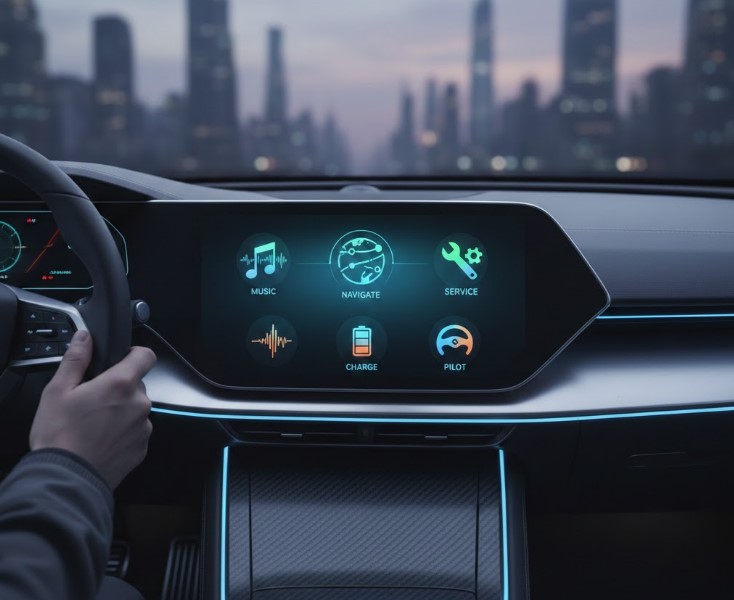
Car apps do not collect data just to spy on you for fun. In most cases, there is a functional reason tied directly to how modern vehicles operate. Infotainment systems, navigation tools, driving assistants, and maintenance apps all rely on streams of information to work properly.
To make this clearer, most data collection falls into a few buckets:
- Vehicle performance data used for diagnostics and predictive maintenance
- Location data needed for navigation, traffic updates, and parking features
- Driver behavior data used for safety scores, insurance integrations, or driving tips
- App usage data that helps developers fix bugs and improve features
The problem is not that this data exists. The issue is how much gets collected by default and how clearly that process is explained. Many drivers click “Agree” during setup like they are skipping a YouTube ad. That is when the data taps turn fully on.
The types of data your car apps are actually tracking
Once you dig past the glossy app descriptions, the scope of data collection gets more specific and, frankly, more personal. Most drivers are surprised by how granular it can be.
Common categories include:
- GPS location history, sometimes stored long-term
- Driving patterns like acceleration, braking, and cornering
- Vehicle health data such as tire pressure and battery status
- Phone metadata including device type and operating system
- Voice commands processed through cloud services
Some apps even log timestamps for when doors open, when the engine starts, and how long you idle. On their own, these data points seem harmless. Combined, they create a detailed profile of how, when, and where you drive. That is gold for developers, insurers, and advertisers if controls are loose.
Where security standards and mobile risks come into play

Car apps live on your phone, which means they inherit all the risks of mobile software. Weak permissions, poor encryption, or sloppy backend design can turn convenience into vulnerability. This is where broader mobile security standards become relevant, even for car guys.
A solid reference point is the OWASP Mobile Top 10, which outlines the most common mobile app security risks, including insecure data storage and improper platform usage. Many automotive apps struggle with these exact issues, especially when rushed to market.
When a car app stores location logs or driver behavior without proper protection, it becomes a tempting target. Not just for hackers, but also for misuse by third parties who have more access than they should.
Privacy policies that look clear but are not
Most car apps technically disclose what they collect. The problem is how that information is presented. Privacy policies are often long, vague, and written in a way that discourages careful reading.
Typical red flags include:
- Broad language like “may share data with trusted partners”
- No clear retention timeline for stored data
- Opt-out options buried deep in submenus
- Policies that change without direct user notification
Here is a key fact worth slowing down for:
Many automotive privacy policies allow data sharing for “service improvement,” a term broad enough to include analytics, marketing insights, and third-party research.
That single phrase can cover a lot of ground. Understanding it is more important than memorizing every line of legal text.
Built-in car privacy controls you should actually use
The good news is that most modern vehicles and companion apps do offer privacy controls. The bad news is that they are often disabled by default or poorly explained during setup.
Look for settings related to:
- Location history storage
- Driving behavior analytics
- Voice recording retention
- Data sharing with third-party services
Turning off some features may slightly reduce convenience, like less accurate traffic predictions. For many drivers, that trade-off is worth it. You do not need your car remembering every trip to the grocery store for the next five years.
Pro tip: revisit these settings after app updates. Controls can reset or new permissions may quietly appear.
How insurance and fleet integrations change the equation
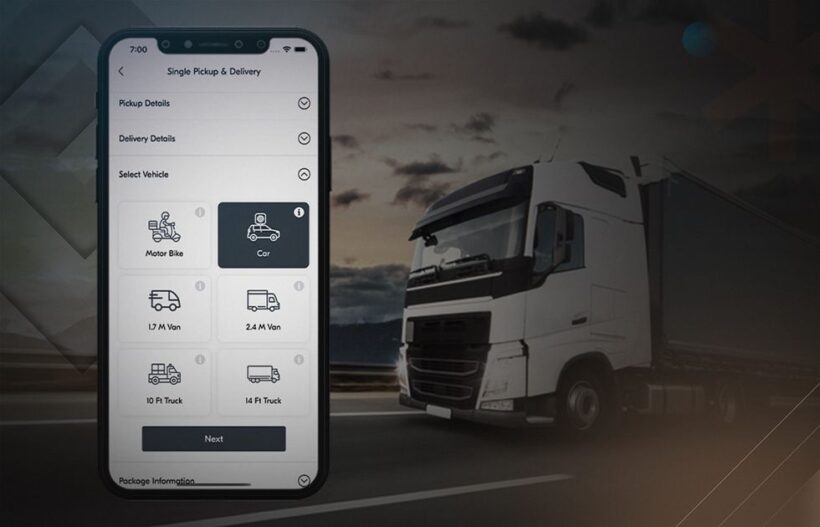
Usage-based insurance and fleet management apps introduce another layer of data complexity. These systems actively monitor driving behavior to calculate risk, rewards, or compliance.
Typically tracked metrics include:
- Speed consistency
- Harsh braking events
- Time of day driving patterns
- Mileage accumulation
For commercial drivers or company cars, this may be non-negotiable. For personal vehicles, it is a choice. Before opting in, understand that this data often flows beyond the app itself, into insurer databases and analytics platforms. Once shared, pulling it back is nearly impossible.
A quick comparison of common car app data practices
| App Category | Data Intensity | Typical Sharing | User Control Level |
| Navigation apps | High | Traffic partners | Medium |
| Maintenance apps | Low | Manufacturer only | High |
| Insurance apps | Very high | Insurers, analysts | Low |
| Infotainment apps | Medium | Third-party services | Medium |
This table is not meant to scare you, but to frame expectations. Not all apps are equal, and choosing wisely matters.
Practical tips for staying in control without paranoia
You do not need to ditch technology or drive a 1998 beater to protect your privacy. A few smart habits go a long way.
Start with these:
- Only install apps you actually use
- Review permissions one by one, not all at once
- Avoid linking apps to unnecessary third-party accounts
- Periodically clear stored location and usage history
Think of it like routine maintenance. You would not ignore oil changes, so do not ignore digital upkeep either. Privacy is not about fear. It is about awareness and control.
Bottom Line
Modern cars are rolling computers, and car apps are the dashboards for that digital engine. They bring real benefits, from smarter navigation to easier maintenance, but they also collect more data than most drivers expect. Understanding what is gathered, how it is used, and where you can push back puts you in the driver’s seat in the truest sense.
You do not need to overreact or uninstall everything. Just stay informed, tweak the settings that matter, and remember that convenience should never come at the cost of blind trust. In today’s connected driving world, knowing your car is almost as important as knowing the road.
