
Electric vehicles ask a battery pack to do several difficult things at once: deliver strong acceleration, accept energy quickly, operate through cold winters and hot summers, and retain useful capacity over years of charging. The battery management system (BMS) sits between those demands and the cells that must meet them. As packs grow and charging expectations rise, the system needs sharper measurements and smarter control, not merely a bigger circuit board.
That distinction matters. A BMS cannot change the chemistry or make poor cooling good. Its job is to know what the pack is doing closely enough to use it well, and to intervene early when conditions move outside safe limits.
A bigger pack multiplies the monitoring problem
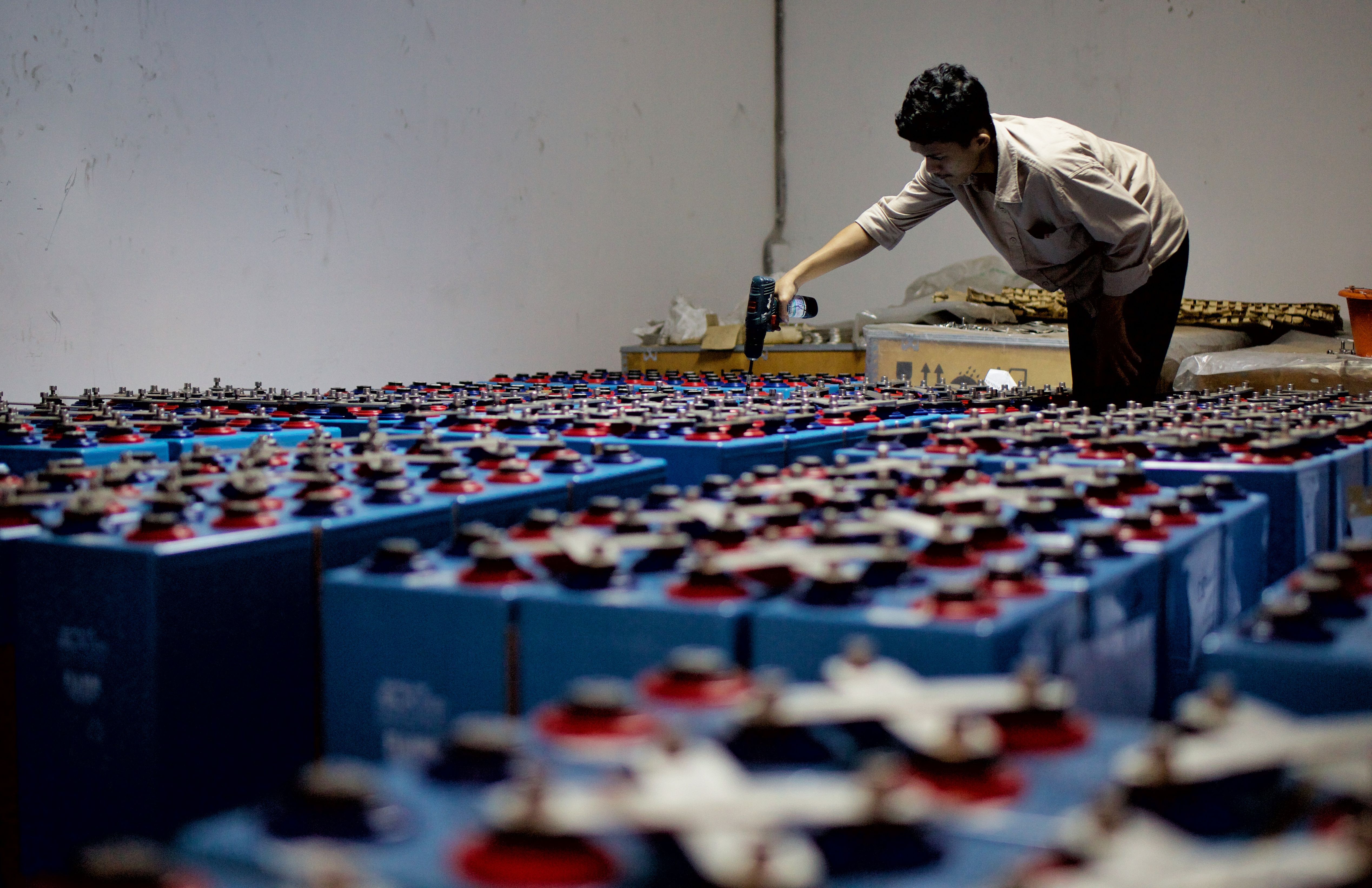
An EV pack is a network of cells, modules, sensors, cooling hardware, power electronics and communication links. The BMS measures cell voltages, pack current and temperatures, estimates state of charge and state of health, and enforces operating limits. It also needs to exchange information with the vehicle controller and charger. If one measurement is late, noisy or missing, software may make a poor decision with confidence.
Cells that leave a factory together do not stay identical. Their usable capacity, internal resistance and temperature response diverge as they age and experience different loads. In a series-connected string, the weakest cell can constrain how much energy the pack can safely deliver or accept. That makes detailed monitoring and balancing more than a dashboard feature: they help determine how much of the installed battery the driver can actually use.
ARPA-E describes a predictive BMS project that aims to estimate internal battery conditions, including temperature and remaining energy capacity, because those states cannot all be read directly by ordinary sensors. The engineering challenge is to combine measured data with a model while keeping track of uncertainty. A displayed range estimate is useful; a trustworthy estimate that knows when it may be wrong is better.
Fast charging makes temperature a control variable
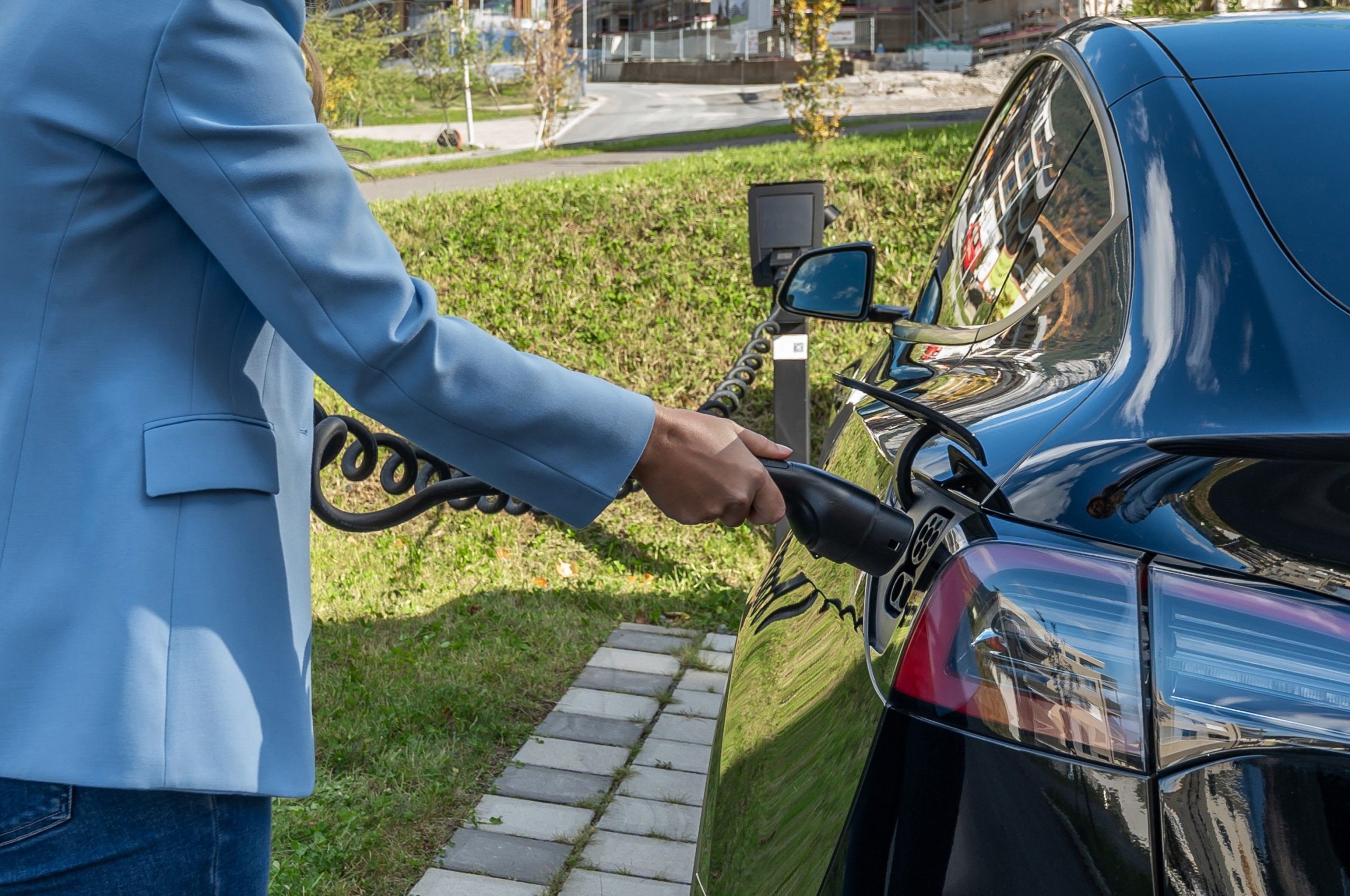
Fast charging is not simply a matter of supplying more current. Charging rate, cell chemistry, temperature, state of charge and cooling all affect how much power a cell can accept without accelerating wear or increasing risk. The BMS has to translate measurements into a charge limit, then adjust that limit as the battery warms, cools or approaches a fuller state.
A 2021 U.S. Department of Energy presentation from the National Renewable Energy Laboratory on extreme fast charging discusses temperature nonuniformity within cells and packs, and how heat can contribute to uneven degradation. A pack sensor does not reveal every local hot spot; good thermal design and careful models still matter. The control system should therefore respond to measured pack conditions conservatively rather than assume that a single temperature reading describes every cell.
This is where the term “powerful” can mislead. The goal is not to force the battery to charge at the highest possible rate in every circumstance. It is to identify when the pack can safely accept more power, when it should slow down, and when thermal management needs to act. The DOE presentation on heat generation and temperature variation during extreme fast charging is a useful reminder that charging performance and heat removal have to be designed together.
The weakest cell can set the pack’s usable limits

Battery balancing addresses small differences in cell charge. Traditional passive balancing dissipates excess energy from higher-charged cells as heat. Active balancing moves energy between cells, adding hardware and control complexity but offering a way to redistribute energy rather than simply waste it. Neither approach erases aging; both aim to keep mismatches from unnecessarily limiting the whole pack.
More capable systems are also being developed to respond to differences in capacity and resistance, not just voltage. ARPA-E’s Optimal Battery Management System project describes predictive control intended to improve how a battery is charged and discharged. Such work points toward a shift from treating every cell identically to tailoring limits based on each cell’s condition.
There is a trade-off. Extra sensors, more precise electronics and active balancing add cost, failure modes and validation work. I would not assume that the most elaborate BMS is automatically the best one; a robust system with a well-understood operating envelope can be safer than a clever controller whose predictions have not been tested across real-world aging and climates.
“More powerful” means better evidence, not just more computation
A modern BMS needs accurate voltage and temperature acquisition, reliable isolation between high-voltage and low-voltage circuits, fault detection, and communication that fails safely. Circuit-board design is part of that chain: vibration, heat, contamination, electrical noise and manufacturing variation can all matter in a vehicle environment. Teams developing an automotive PCB for battery electronics must therefore consider how the board supports the full safety and monitoring system, not just whether the schematic works on a bench.
Software capability is only useful when the inputs are good and the limits are explicit. State of charge is an estimate, not a direct measurement of “fuel”; state of health is also inferred from behavior over time. The BMS has to reconcile current, voltage and temperature data with a changing battery model, and flag degraded sensors or unexpected behavior rather than silently treating them as normal.
Readers who want a basic overview of protection functions can also see Carsoid’s earlier guide to EV battery protection boards and BMS functions. The industry’s next step is to build on those core safeguards with better cell-level estimates, adaptive charging and clearer diagnostics.
The battery and its manager have to advance together
EV makers compete visibly on range and charging time, but battery management quietly determines how confidently those numbers can be delivered across a vehicle’s life. Better BMS hardware and software can help unlock usable capacity, manage thermal stress and catch faults sooner. They cannot compensate for weak cells, undersized cooling or poor pack design.
The strongest systems will pair richer sensing and more capable control with conservative fallbacks, tested hardware and honest estimates. That is a more meaningful form of power: not pushing every battery harder, but understanding its limits well enough to use more of its capability without losing sight of safety or longevity.
