
A highly spacious passenger vehicle with three rows of seats and a large cargo area – safe, practical, and easy to handle, despite its usually unremarkable performance specs. It would seem that the minivan is the ideal vehicle for a large family.
Yet, the popularity of this body style has seen dramatic ups and downs. In any case, the topic of vans is relevant once again today. Automakers are racing to unveil new models, while buyers increasingly weigh the pros and cons of SUVs versus minivans.
Today, we look back at where it all began – and explore why used minivans remain a practical choice for families.
Pioneers of the Minivan
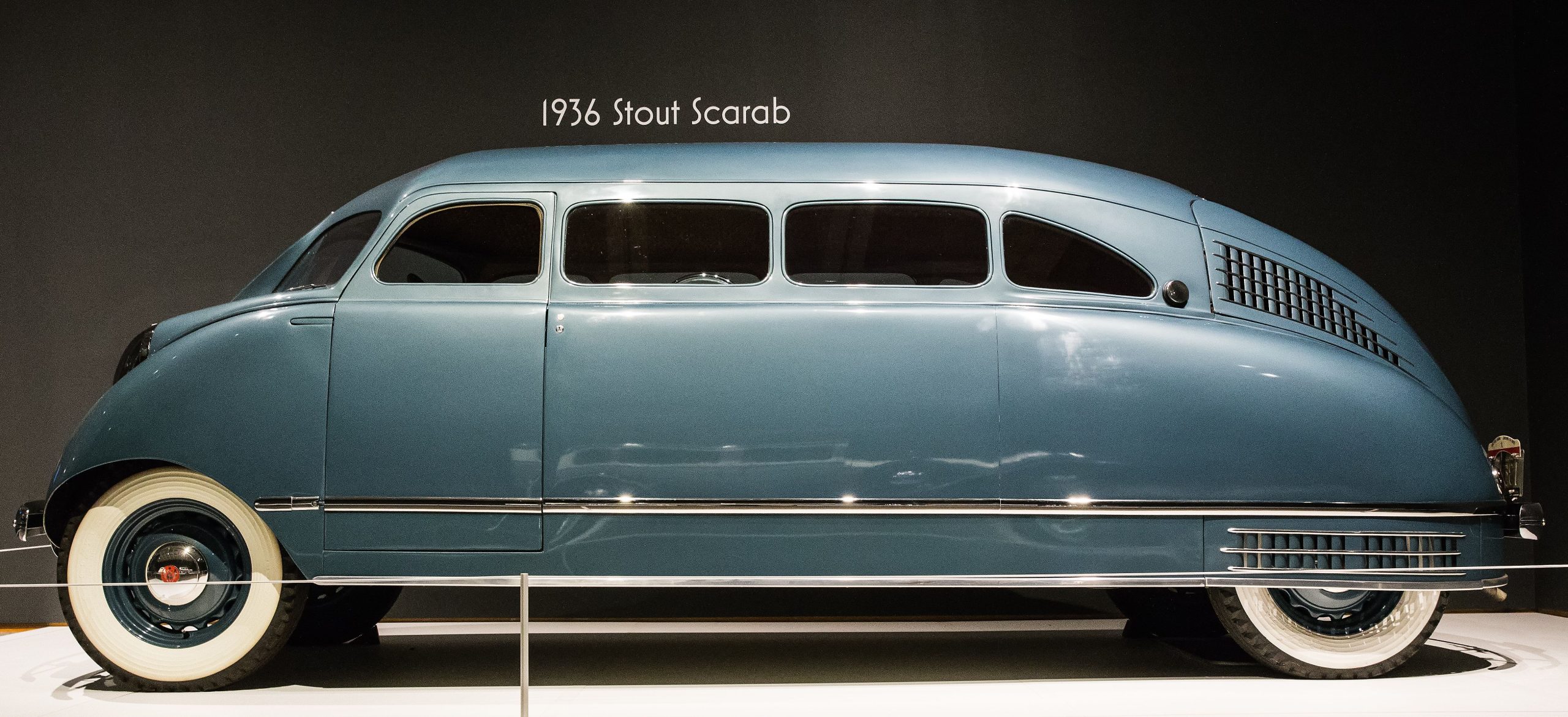
Ask the average person to name the first minivan in history, and you’ll get a variety of answers-everything from the Dodge Caravan to the Mitsubishi Space Wagon. A true enthusiast might recall earlier examples, but even gearheads sometimes overlook a unique vehicle from the distant 1930s: the Stout Scarab.
The Scarab was incredibly futuristic for its time, featuring a striking Art Deco design and a roomy, flexible cabin. Its seats could be rearranged, and the interior was designed around passenger comfort rather than a conventional front-engine layout. Only nine units were built between 1935 and 1940, but what remarkable machines they were. Today, the Scarab can confidently be called the first vehicle to explore the basic minivan formula.
Other important early examples followed. The DKW Schnellaster, introduced after World War II, combined front-wheel drive, a flat floor, and configurable seating – features that would later become central to the modern minivan. These vehicles demonstrated that a practical family hauler did not need to be a large, truck-based van.
The Volkswagen Transporter and T1
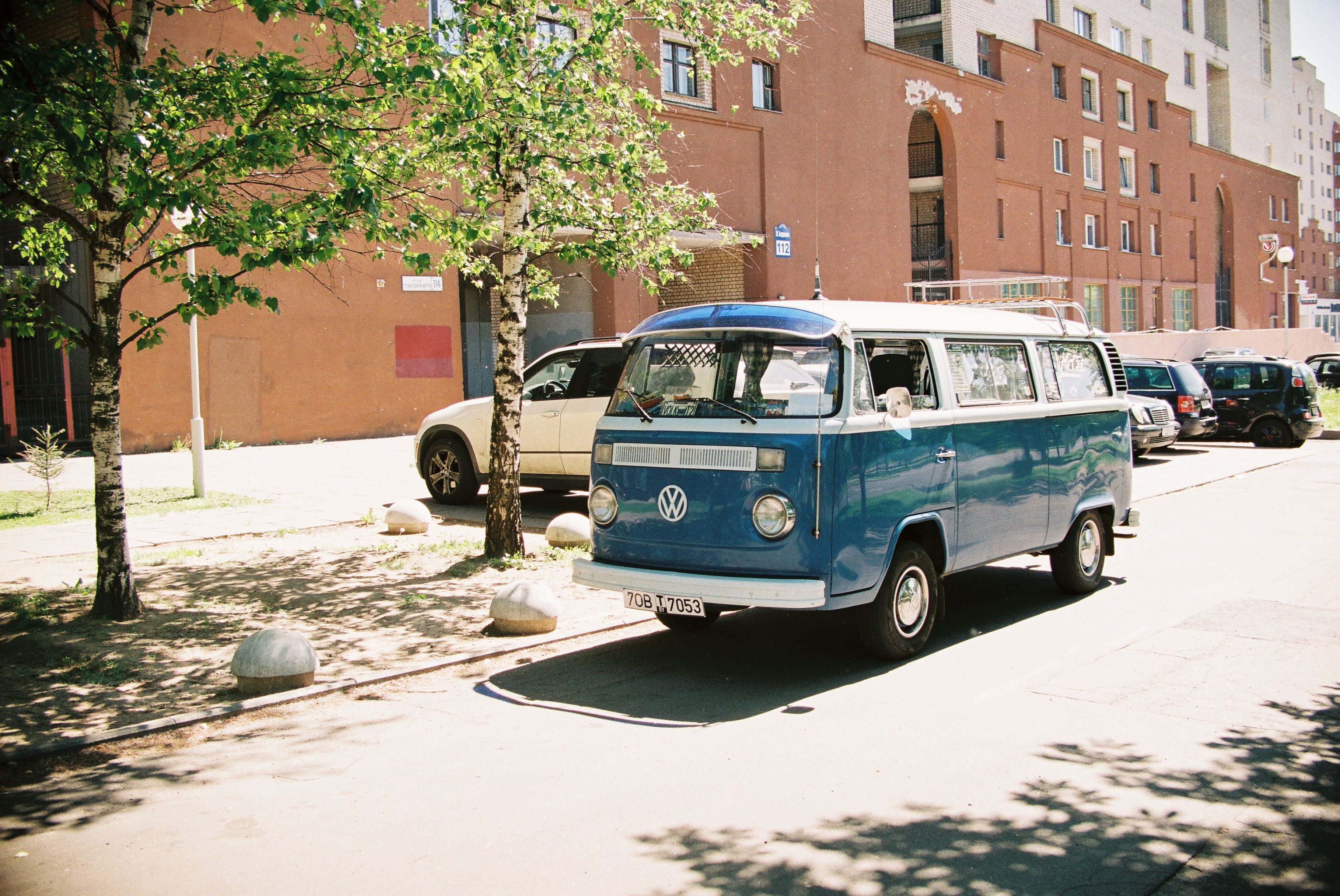
The Volkswagen Type 2 brought compact, flexible passenger transport to the postwar era.
No history of passenger vans would be complete without the Volkswagen Transporter. Introduced in 1950, the Type 2 was built on ideas related to the Volkswagen Beetle and used a compact-car-derived platform beneath its boxy, highly practical body. In the United States, it became widely known as the Volkswagen Bus, Microbus, Kombi, or simply the VW van.
The earliest generation is commonly called the Volkswagen T1. Produced from 1950 through the late 1960s, the T1 featured a distinctive split windshield, rounded bodywork, a rear-mounted engine, and an unusually spacious cabin for its compact footprint. It was available in several configurations, including passenger buses, delivery vans, pickups, and camper versions.
The T1 eventually became much more than a practical form of transportation. During the 1960s, it became closely associated with the counterculture movement, road trips, music festivals, and a simpler, more adventurous lifestyle. Its colorful paintwork, canvas pop-top campers, and friendly rounded design helped create the image of the legendary “hippie bus.”
Although the T1 was not a modern minivan in the strictest sense, it introduced many of the ideas that define the category today: compact exterior dimensions, a tall roof, flexible seating, excellent cabin space, and easy access for passengers. The Volkswagen Transporter also proved that one vehicle could serve families, businesses, travelers, and recreational buyers alike.
The American Renaissance
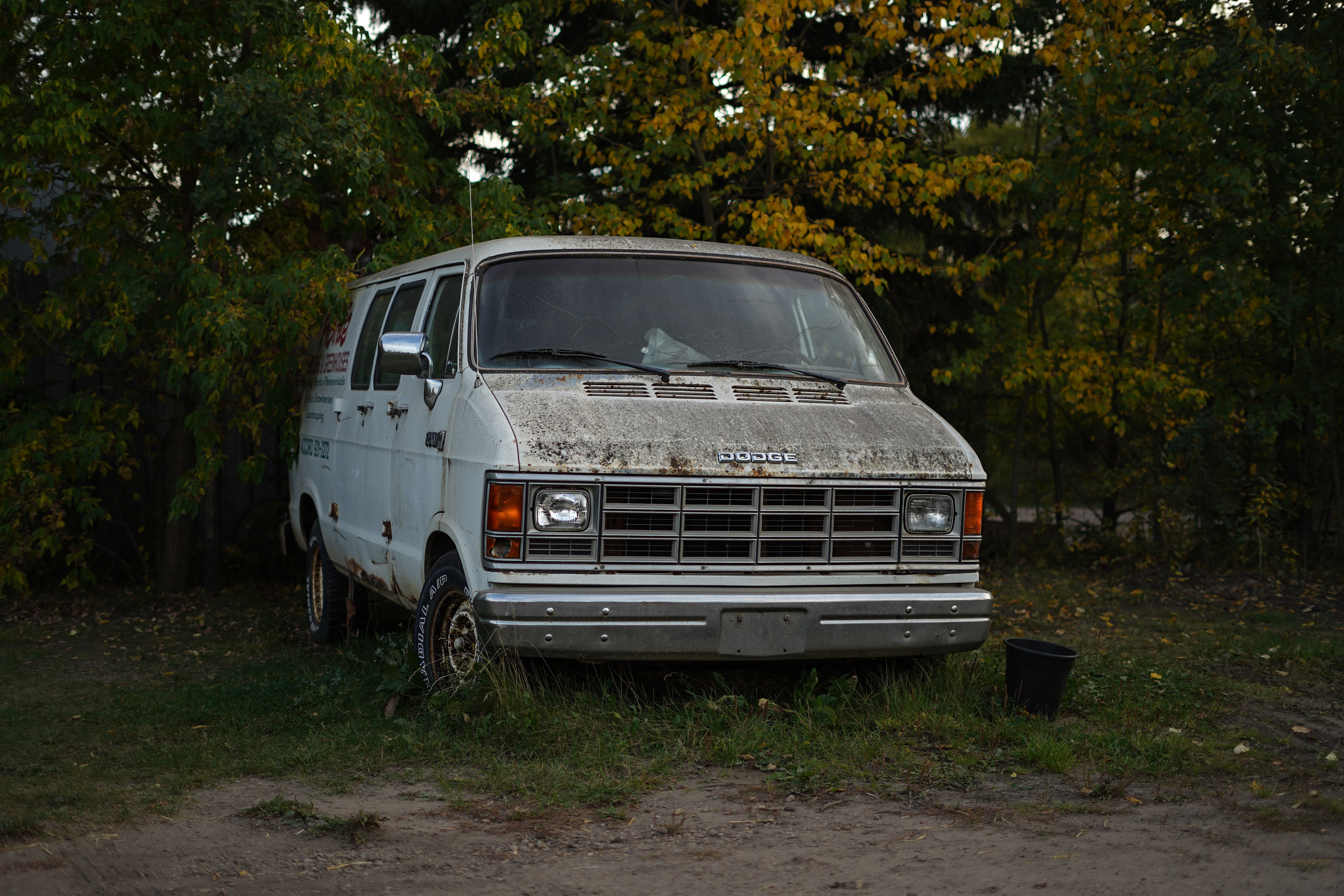
Earlier utility vans helped set the stage for the more family-focused minivans that followed.
The segment’s heyday arrived in the 1980s. Ford could have been the first U.S. company to launch a full-fledged minivan; the project was already in the works during the 1970s. However, it was shelved, and the men behind it – Lee Iacocca and Hal Sperlich – moved to Chrysler. There, they created the iconic Dodge Caravan and Plymouth Voyager.
When Chrysler introduced these models for the 1984 model year, the company was struggling financially. The new vans offered something American families had not seen before: the space and versatility of a full-size van combined with the driving manners and easier parking of a passenger car. Their front-wheel-drive layout, relatively low floor, available sliding door, and configurable seating made them particularly attractive to families moving away from large station wagons.
The formula worked. The Dodge Caravan and Plymouth Voyager quickly created a new market and encouraged competitors to enter the segment. Toyota, Honda, Ford, General Motors, Nissan, and other automakers soon developed their own versions of the family minivan, which evolved into modern minivans.
Why Minivans Lost Ground to SUVs
For decades, minivans were the default choice for growing families. They offered three rows of seats, generous cargo room, comfortable access, and useful features such as removable or fold-flat seats. Parents appreciated the sliding doors, while children benefited from the roomy rear cabin.
However, minivans gradually developed an image problem. Many buyers began to associate them with the routine responsibilities of family life, while SUVs appeared more rugged, stylish, and adventurous. Higher seating positions, available all-wheel drive, stronger exterior designs, and the perception of greater capability helped SUVs attract customers who might previously have chosen a minivan.
As a result, minivan sales declined while SUVs and crossovers became increasingly popular. Still, an SUV does not always provide the same combination of passenger room, third-row accessibility, and cargo flexibility. A three-row SUV may offer a more appealing image, but its rear seats can be tighter, and its cargo area may be limited when all seats are occupied.
A Practical Choice That Endures
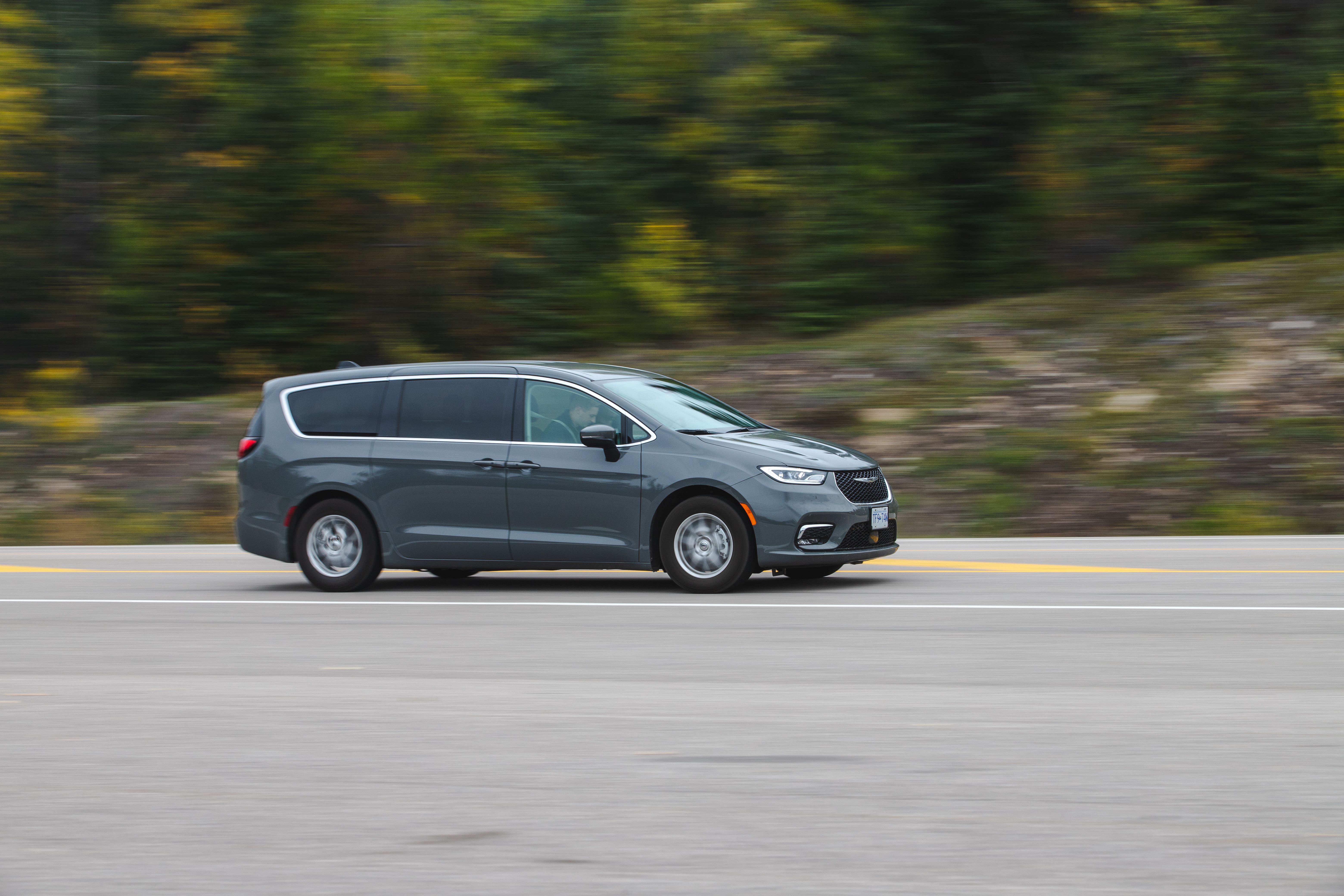
Today’s minivans continue to make family trips and everyday errands easier.
The minivan may no longer dominate the family-vehicle market, but its basic strengths have not disappeared. It remains one of the most efficient ways to transport several passengers while preserving useful cargo space. Sliding doors are convenient in crowded parking lots, a low step-in height helps children and older passengers, and a flexible interior can make daily life noticeably easier.
From the futuristic Stout Scarab and the iconic Volkswagen T1 to the groundbreaking Dodge Caravan and today’s Pacifica, Odyssey, Sienna, and Carnival, the minivan has continually adapted to changing expectations. It may not always be the most exciting vehicle in the showroom, but for many families, practicality remains a powerful reason to choose one.
