

In recent years, automakers have rapidly introduced advanced safety features designed to make driving safer and reduce the number of serious crashes. These systems, known collectively as Advanced Driver Assistance Systems (ADAS), include technologies like lane departure warning, lane keeping assist, forward collision warning, automatic emergency braking, blind spot detection, and adaptive cruise control.
While these tools promise safer roads, many drivers wonder: Do they really reduce the risk of crashes? The short answer is yes, if they are used correctly. However, their effectiveness depends on driver understanding, proper use, and limitations of the technology itself.
If you were injured in a crash, contact Friedman, Domiano & Smith for legal assistance.
What Is ADAS?
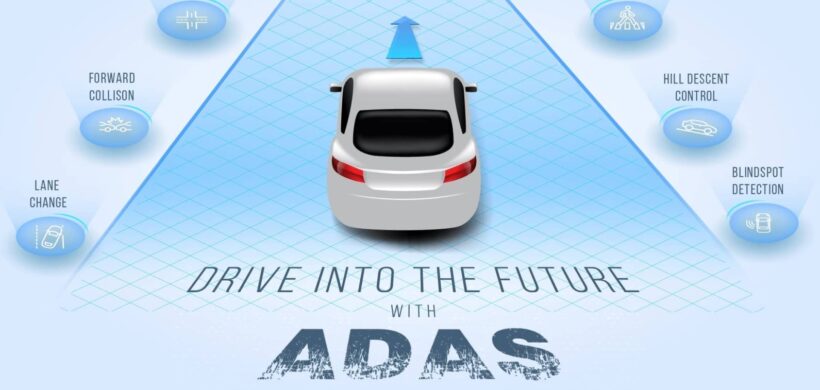
Advanced Driver Assistance Systems are features built into newer vehicles to assist drivers in avoiding collisions or reducing their severity. They use cameras, radar, and sensors to monitor the vehicle’s surroundings in real time.
Some of the most common ADAS features include:
- Lane Departure Warning (LDW): Alerts the driver if the vehicle begins to drift out of its lane.
- Lane Keeping Assist (LKA): Gently steers the vehicle back into the lane if drifting occurs.
- Forward Collision Warning (FCW): Warns drivers of an imminent crash with a slower-moving or stopped vehicle ahead.
- Automatic Emergency Braking (AEB): Applies the brakes automatically if the driver fails to respond to a collision warning.
- Blind Spot Monitoring: Alerts the driver when a vehicle is in their blind spot.
- Adaptive Cruise Control: Maintains a safe following distance from the car ahead by adjusting speed automatically.
Together, these technologies are reshaping the driving experience and improving roadway safety.
How ADAS Reduces Crash Risk
Studies from the Insurance Institute for Highway Safety (IIHS) and the National Highway Traffic Safety Administration (NHTSA) confirm that ADAS features significantly lower crash rates.
Lane Assist and Lane Departure Systems
Unintentional lane drifting is a leading cause of highway accidents, especially at high speeds. Lane departure warnings alone reduce single-vehicle, head-on, and sideswipe crashes by nearly 11%, while lane keeping assist further cuts down risk by automatically guiding vehicles back into place.
Forward Collision Warning and Automatic Emergency Braking
Rear-end collisions are among the most common crashes. Research shows that vehicles with forward collision warning and AEB experience 50% fewer rear-end crashes compared to those without. By automatically applying the brakes, these systems prevent accidents that occur when drivers are distracted or fail to react quickly.
Blind Spot Detection
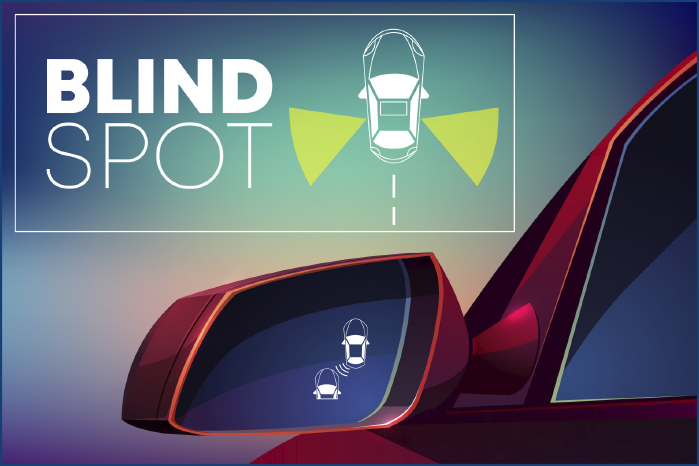
Changing lanes without noticing a vehicle in the blind spot often results in sideswipe crashes. Blind spot monitoring has been found to reduce lane-change crashes by about 14%, a significant improvement for highway safety.
Adaptive Cruise Control
By keeping a safe distance from the car ahead, adaptive cruise control reduces the risk of tailgating-related accidents. It also lowers driver fatigue during long drives, indirectly improving attentiveness.
Limitations and Risks of Over-Reliance
Although ADAS technology is promising, it is not foolproof. Drivers must recognize that these systems are designed to assist, not replace, human control.
Overconfidence in Technology
One of the biggest risks is driver complacency. Some motorists assume that lane assist or collision avoidance will always prevent crashes. This false sense of security can lead to distracted driving, delayed reactions, and increased crash risk if the system fails.
Environmental Limitations
ADAS sensors and cameras may not work properly in heavy rain, snow, fog, or on poorly marked roads. For example, lane keeping assist relies on clear lane markings, which may disappear in construction zones.
System Malfunctions
Like all technology, ADAS features can fail. Software glitches, dirty sensors, or calibration issues after repairs may compromise performance.
Inconsistent Availability
Not all vehicles offer the same safety features, and even when they do, some systems are optional add-ons. This inconsistency creates uneven benefits across the driving population.
The Human Factor
Ultimately, ADAS works best when paired with attentive, responsible driving. These technologies are tools that improve reaction time and situational awareness, but they cannot replace judgment, decision-making, or caution.
Drivers should:
- Learn how each system in their car works and its limitations.
- Keep sensors and cameras clean to maintain proper functionality.
- Avoid relying solely on technology. Stay alert and keep hands on the wheel.
- Treat ADAS as a backup, not an autopilot system.
The Future of Crash Prevention

ADAS technology is a stepping stone toward fully autonomous vehicles. As features continue to evolve, researchers expect even greater reductions in crash risk. For instance:
- Vehicle-to-Vehicle (V2V) Communication: Future cars may “talk” to each other to prevent collisions before they happen.
- Improved Artificial Intelligence: Smarter algorithms will help cars recognize more hazards in more environments.
- Universal Adoption: As more manufacturers include ADAS features as standard, their overall impact on crash statistics will multiply.
Industry experts estimate that widespread adoption of these systems could prevent millions of crashes and save thousands of lives over the next decade.
Why This Matters After an Accident
Even with advanced safety technology, accidents still happen. If you’re involved in a crash, ADAS data from your vehicle may play an important role in investigating what happened. Many systems record information about warnings issued or automatic braking applied, which can help determine liability.
Victims of crashes involving ADAS-equipped vehicles may also need legal help to navigate complex insurance claims, especially if questions arise about whether the technology failed or the driver misused it.
Advanced Driver Assistance Systems like lane assist, collision avoidance, and adaptive cruise control are transforming road safety. They reduce the risk of common crashes, lower the severity of injuries, and give drivers an added layer of protection. However, they are not a substitute for responsible driving.
The bottom line: ADAS technology can dramatically reduce crash risk, but only when paired with driver awareness and accountability. As vehicles become smarter, human drivers must remain just as vigilant behind the wheel.
