
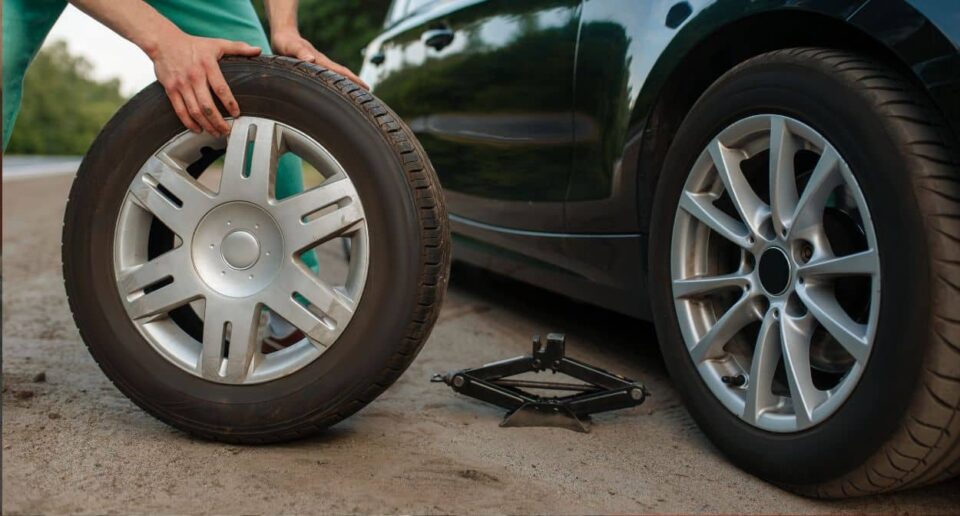
Your tyres are the only part of your vehicle that makes direct contact with the road. Despite this, many drivers overlook tyre maintenance until a problem occurs.
Whether you’re commuting daily, taking long motorway journeys, or driving occasionally,
keeping your tyres in good condition is essential for safety, performance, and fuel efficiency.
Here are seven warning signs that indicate your tyres may need immediate attention.
1. Uneven Tyre Wear
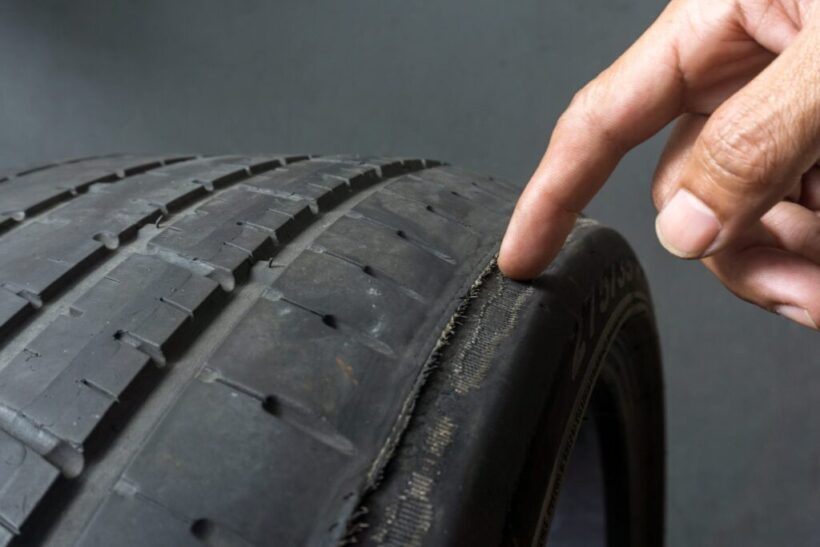
One of the most common indicators of tyre problems is uneven wear across the tread. If one side of the tyre is wearing faster than the other, it may be caused by:
- Incorrect wheel alignment
- Suspension issues
- Improper tyre pressure
Regular inspections can help identify these issues before they become expensive repairs.
2. Low Tread Depth
Tyre tread is designed to provide grip in wet and dry conditions. As the tread wears down, stopping distances increase and the risk of aquaplaning becomes higher.
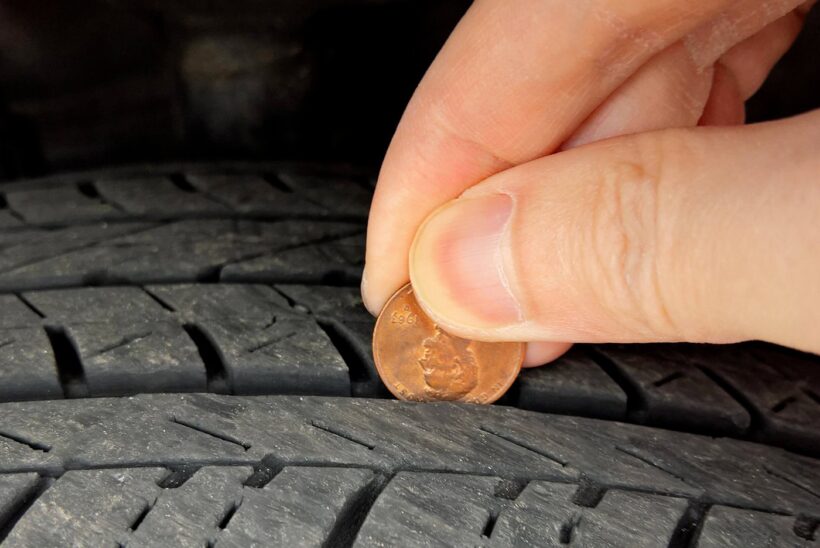
In the UK, the legal minimum tread depth is 1.6mm across the central three-quarters of the tyre. However, many experts recommend replacing tyres once tread reaches around 3mm for optimal safety.
3. Cracks in the Sidewall
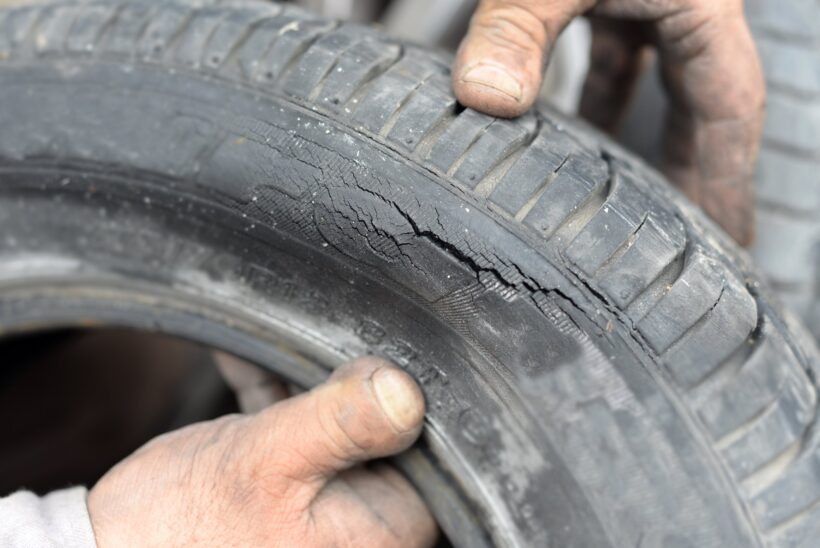
Tyres naturally age over time, even if they are not used frequently. Exposure to sunlight, weather conditions, and road contaminants can cause rubber to deteriorate.
Visible cracks in the sidewall may indicate that the tyre structure is weakening and should be inspected by a professional as soon as possible.
4. Persistent Loss of Air Pressure
If you regularly need to inflate a tyre, there may be an underlying issue such as:
- A slow puncture
- Damaged valve stem
- Wheel rim corrosion
Ignoring pressure loss can lead to poor fuel economy, reduced handling, and premature tyre wear.
5. Excessive Vibrations While Driving
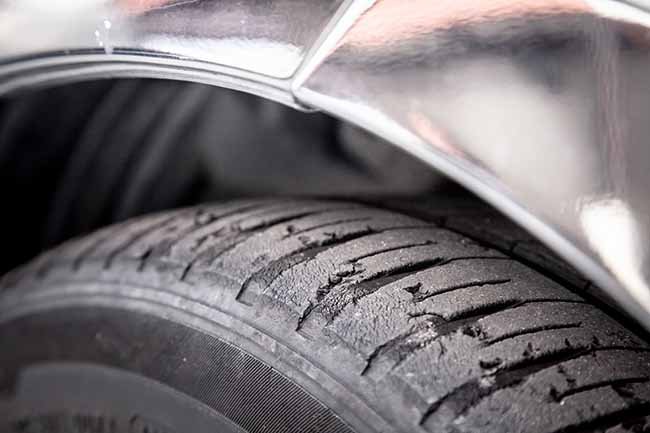
Although some road vibration is normal, excessive shaking through the steering wheel or vehicle cabin can indicate:
- Wheel balancing issues
- Tyre damage
- Suspension problems
Any unusual vibration should be investigated promptly to avoid further damage.
6. Bulges or Blisters
A bulge on the tyre sidewall is often a sign of internal structural damage. This can occur after hitting potholes, kerbs, or road debris.
Bulges weaken the tyre and significantly increase the risk of a blowout. If one appears, replacement is usually the safest option.
7. Frequent Punctures
Repeated punctures may suggest that the tyre has reached the end of its service life or has suffered internal damage. In some cases, replacement is more cost-effective and safer than repeated repairs.
The Importance of Professional Tyre Inspections
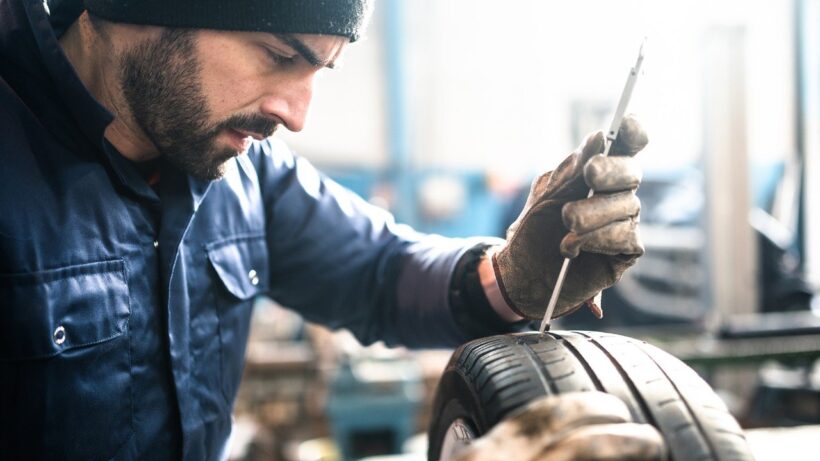
Regular tyre checks can help drivers avoid breakdowns, improve fuel efficiency, and maintain vehicle safety. Professional tyre technicians can identify issues that may not be immediately visible and recommend the most appropriate solution.
For drivers who experience tyre problems away from a garage, mobile tyre fitting services have become an increasingly popular option, offering convenient roadside assistance and tyre replacement when needed.
Road Safety Starts with Your Tyres
Every journey depends on the ability of tyres to provide grip, stability, and control. Whether driving in heavy rain, on busy motorways, or through city streets, tyres play a critical role in maintaining vehicle safety.
Ignoring early warning signs can increase the likelihood of accidents, reduced braking performance, and costly repairs.
By remaining proactive and addressing tyre issues as soon as they appear, drivers can enjoy a safer and more reliable driving experience.
Regular inspections, timely replacements, and professional advice when needed are all essential parts of responsible vehicle ownership.
How Proper Tyre Maintenance Saves Money
Regular tyre maintenance is not only beneficial for safety but can also help reduce vehicle operating costs. Correctly inflated tyres improve fuel efficiency by reducing rolling resistance, allowing the vehicle to move more efficiently.
Proper maintenance can also extend tyre lifespan, reducing the frequency of replacements. In addition, tyres that are in good condition place less strain on other vehicle components such as suspension and steering systems, helping to minimise repair costs over time.
A small investment in routine tyre care can often result in significant long-term savings.
Understanding Tyre Age
Many motorists focus solely on tread depth when evaluating tyre condition, but tyre age is equally important. Even tyres that appear to have plenty of tread remaining can deteriorate internally as the rubber ages.
Factors such as exposure to sunlight, temperature changes, and environmental conditions can gradually weaken the tyre compound.
For this reason, manufacturers often recommend having older tyres professionally inspected, even if they show minimal signs of wear.
Checking the tyre’s manufacturing date can provide valuable information about its age and overall condition.
The Importance of Checking Tyres Before Long Journeys
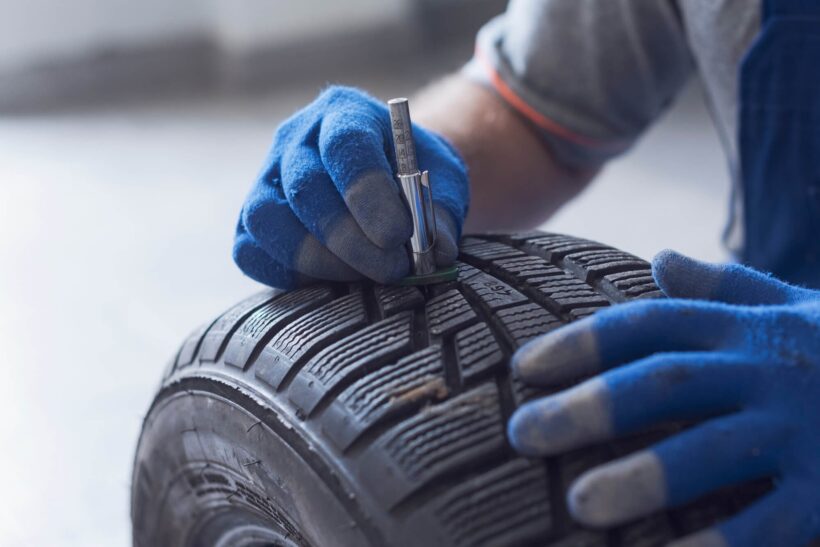
Before embarking on a long journey, it is always advisable to carry out a basic tyre inspection. Long-distance driving places continuous stress on tyres, particularly during periods of hot weather or when carrying heavy loads.
A quick inspection should include checking tyre pressure, tread depth, and the overall condition of the sidewalls.
Drivers should also look for nails, cuts, or other objects embedded in the tyre that may lead to a puncture later during the journey.
Taking a few minutes to inspect tyres before travelling can help prevent unexpected breakdowns and improve safety on the road.
One of the easiest maintenance tasks is checking tyre pressure regularly. Tyres that are underinflated or overinflated can wear unevenly and negatively affect vehicle handling.
Manufacturers provide recommended tyre pressure levels, which can usually be found in the vehicle handbook or inside the driver’s door frame.
Drivers should also inspect their tyres visually every few weeks. Looking for cuts, embedded objects, sidewall damage, or irregular tread wear can help identify potential issues before they become serious problems. Even minor damage can worsen over time if left unaddressed.
Another important consideration is wheel alignment. Misaligned wheels can cause tyres to wear more rapidly and may affect steering performance.
If a vehicle pulls to one side while driving or the steering wheel feels off-centre, it may be worth having the alignment checked by a professional technician.
Final Thoughts
Tyres play a critical role in vehicle safety and performance. By paying attention to warning signs such as uneven wear, low tread depth, air pressure loss, and sidewall damage, drivers can reduce the risk of accidents and costly repairs.
A simple tyre inspection today could prevent a major problem tomorrow.
