
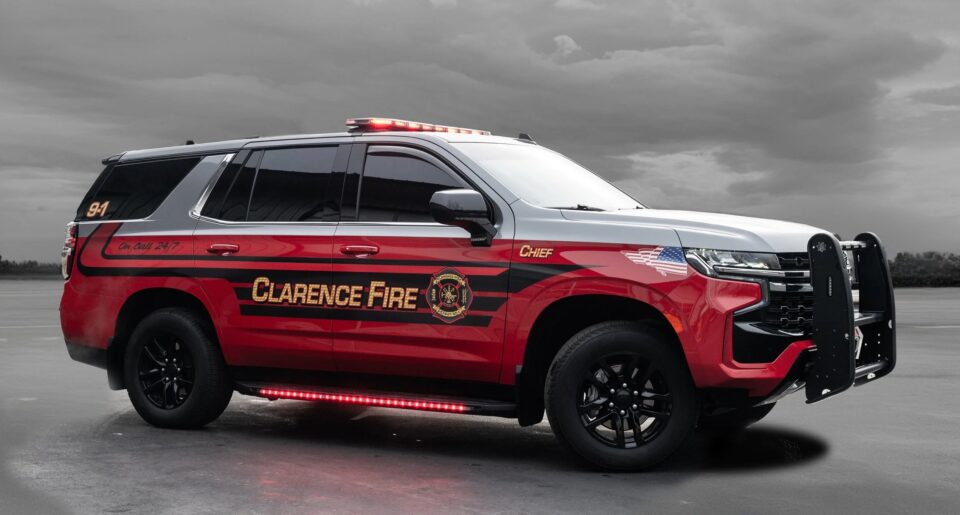
Fire apparatus graphics have to accomplish several things at once. They identify the department, create a consistent appearance across vehicles, display important information, and help make emergency vehicles visible to other motorists.
There’s also a surprising amount of variety involved. Department names and lettering may be the most recognizable elements, but a complete graphic package can include reflective striping, chevrons, shields, unit numbers, gold accents, city or county names, and other custom details.
Materials matter just as much as appearance. Fire departments have several reflective and non-reflective options available, each with its own characteristics.
The size and shape of the apparatus also influence how a design translates from an initial concept to the finished vehicle.
Fire Rescue Vehicle Graphics 101
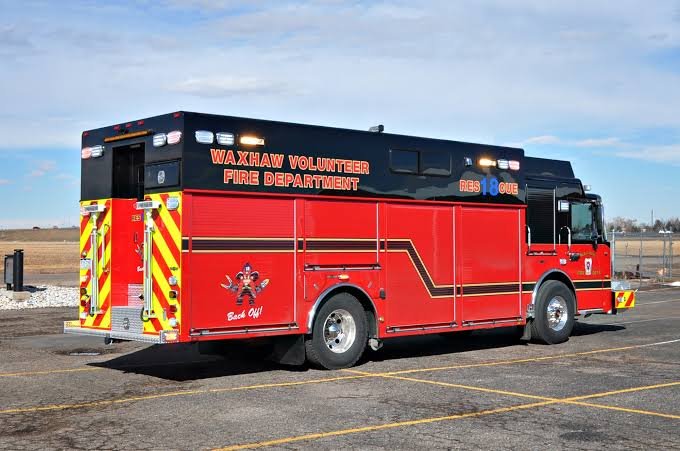
Below, we’re going to dive into these choices and show you how to make planning new or replacement fire truck graphics considerably simpler.
Start With the Vehicle and Its Purpose
Before choosing colors, lettering, or decorative elements, consider the apparatus itself. A pumper, ladder truck, rescue vehicle, command SUV, and utility vehicle provide very different surfaces for graphics.
A design that works across the broad side panels of a large apparatus may need substantial adjustments before it can be applied to a smaller vehicle.
Departments should also consider where each vehicle operates and how it will be seen. Visibility after dark may be a major concern for apparatus regularly positioned near moving traffic.
Other vehicles may require prominent department identification or unit information that can be recognized quickly.
Looking at the fleet as a whole helps establish which elements should remain consistent and which can change according to the vehicle.
Decide Which Information is Necessary
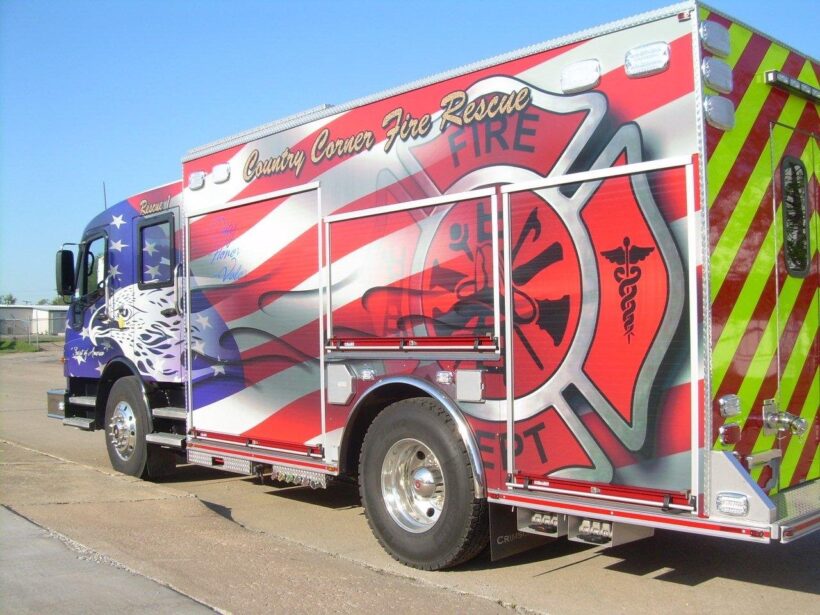
Fire apparatus can carry considerably more than a department name.
Depending on the department and vehicle, graphics might include:
- Department or agency names
- Fire district information
- City, county, or state names
- Unit and apparatus numbers
- Shields, badges, or department patches
- Emergency contact information
- Reflective striping
- Rear or side chevrons
- Decorative lettering or accents
Prioritizing this information early makes it easier to build a layout without overcrowding the available space.
Consistency is also worth considering. Repeating the same fonts, colors, shields, and overall graphic style helps visually connect vehicles, even when the layouts can’t be identical.
Choose Between Reflective and Non-Reflective Materials
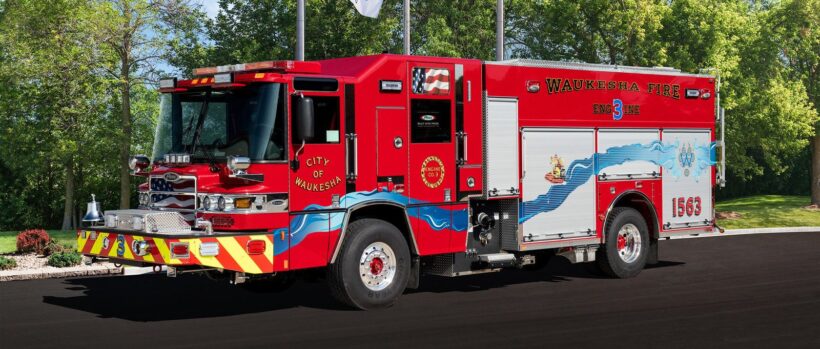
One major decision is how much of the graphic package should be reflective.
Non-reflective vinyl works well for many decorative components and supports a wide range of colors and designs. It can be used for lettering, logos, striping, wraps, and other visual elements.
Reflective materials serve a different purpose. They return light toward its source, making graphics much more noticeable when headlights or other lights illuminate them at night.
Departments don’t necessarily have to choose one or the other for an entire vehicle. Departments can combine reflective and non-reflective materials strategically within a single design.
Compare Reflective Material Options
Several reflective products are commonly considered for emergency vehicle graphics.
3M Scotchlite reflective material can be incorporated into lettering, striping, and other vehicle markings while maintaining a relatively flat appearance.
3M Diamond Grade is another option when you want higher reflectivity. Depending on the specific product and application, installation requirements can differ, including whether edges require sealing.
ORALITE products also provide reflective options for vehicle markings, with different product lines suited to various applications.
The best material depends on the design, desired reflectivity, installation requirements, vehicle surface, and applicable standards.
Departments should verify that the materials and layout selected for a particular apparatus meet any regulations or standards that apply to that vehicle.
Consider Chevrons for the Rear of the Apparatus
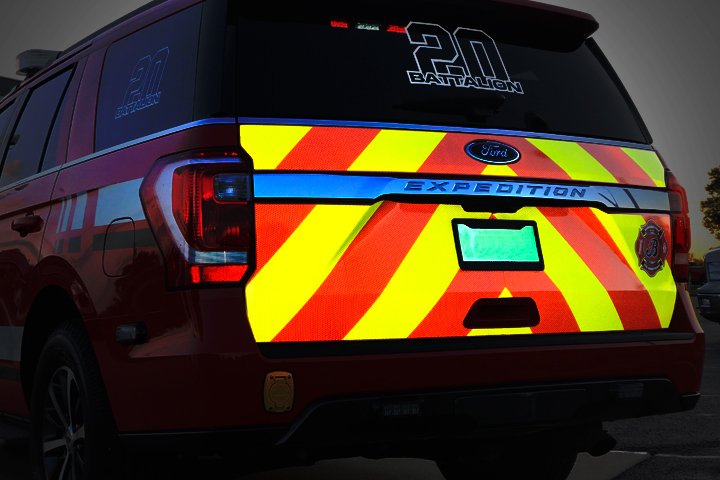
Chevron patterns have become a familiar feature on emergency vehicles. Alternating diagonal stripes create a highly recognizable pattern across the back of an apparatus.
This placement is particularly relevant because fire and rescue vehicles may spend substantial periods stopped near moving traffic.
Reflective chevrons make the rear of the vehicle much easier to distinguish when illuminated at night.
Chevron layouts need to account for the actual structure of the apparatus.
Compartments, handles, lights, ladders, equipment, doors, and other components can interrupt the available surface area.
For departments planning a new layout, professionally produced fire truck chevrons can be designed around the dimensions and configuration of individual apparatus rather than treating every vehicle as though it has the same rear surface.
Add Decorative Elements and Department Identity
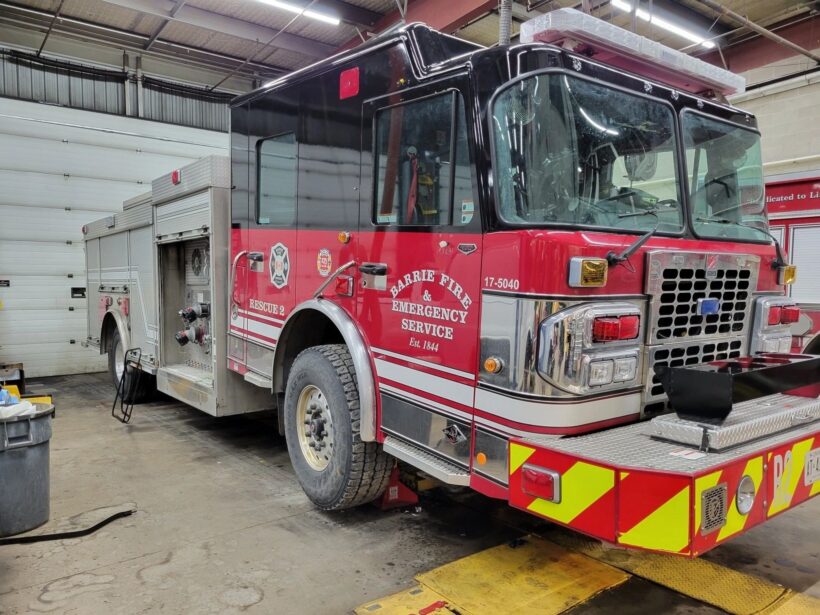
Safety-related markings are only one part of fire apparatus design. Graphics also give departments an opportunity to create a distinctive visual identity.
Traditional gold leaf is one example. Gold lettering and detailing have a long history on fire apparatus and continue to appear on modern vehicles.
Departments that like the appearance but want a different production method can consider printed gold leaf effects or manufactured specialty films.
These materials can recreate aspects of the traditional appearance while offering different cost, production, and maintenance considerations.
Badges, shields, patches, mascots, local imagery, and custom lettering can also make a design specific to the department it represents.
The goal doesn’t have to be an elaborate design. Sometimes a restrained combination of lettering, striping, and a department shield creates the clearest result.
Plan for Existing Graphic Removal
Updating an existing vehicle often starts with something less exciting than choosing the new design: removing the old one.
Vinyl can become more difficult to remove as it ages. Years of sunlight, weather exposure, washing, and general use can affect both the material and adhesive.
Care matters during removal, too. Using aggressive scraping methods or the wrong tools can damage the paint underneath, turning a simple graphic replacement into a larger repair job.
Professional removal may be worth considering, particularly for older graphics or large apparatus. Removal and replacement can also be coordinated to reduce the amount of time an important fleet vehicle spends out of service.
Review a Rendering Before Production
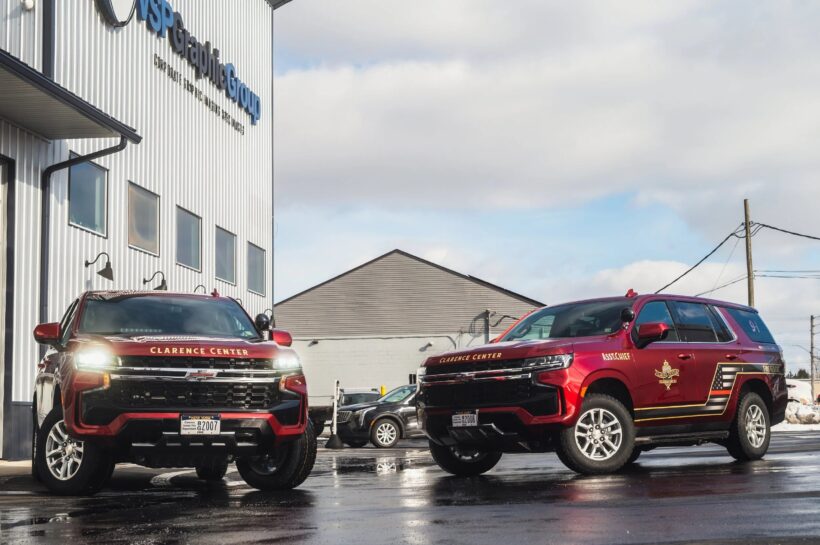
A design that looks good as an idea may look very different once it’s scaled across an actual fire truck.
A color rendering allows the department to see the proposed placement, proportions, colors, lettering, striping, and other components before the graphics are produced.
This is when it’s time to look closely at practical details and ask some critical questions:
- Is the department name large enough?
- Does equipment interfere with a stripe?
- Are unit numbers positioned where they can be seen?
- Does the design still look balanced from different sides of the vehicle?
Changes are considerably easier to make during the design stage than after the graphics have been fabricated.
Once the final rendering is approved, the artwork can move into production.
Think Beyond a Single Fire Truck
New apparatus are often added gradually rather than all at once. That makes long-term consistency worth considering when creating a graphic package.
Keeping accurate artwork, color information, measurements, material specifications, and other design details can make it easier to reproduce graphics when another vehicle joins the fleet.
The same approach helps when a damaged graphic needs replacement. Rather than recreating a stripe, shield, or piece of lettering from scratch, the department can return to the established specifications.
A consistent system also makes it easier to adapt the same identity to support vehicles, SUVs, trailers, and other apparatus without making every vehicle look identical.
Bringing a Fire Apparatus Graphic Package Together
Good fire truck graphics balance appearance with the practical demands of emergency vehicles.
Start with the apparatus itself, identify the information that needs to be displayed, and determine where reflective materials make sense.
From there, decorative elements, department branding, lettering, and other details can be incorporated into a design that works with the available space.
Existing vehicles may also require old graphic removal before installation, while new apparatus may require coordination between the vehicle manufacturer, department, and graphics provider.
Taking time to review materials, layouts, visibility, and future replacement needs before production can prevent avoidable problems later.
The result is a graphic package designed around the department and its vehicles rather than a generic design applied to every piece of apparatus in the same way.
If you’re looking for expert help with the graphics for your department, contact GDI Graphics to speak with the best of the best.
