
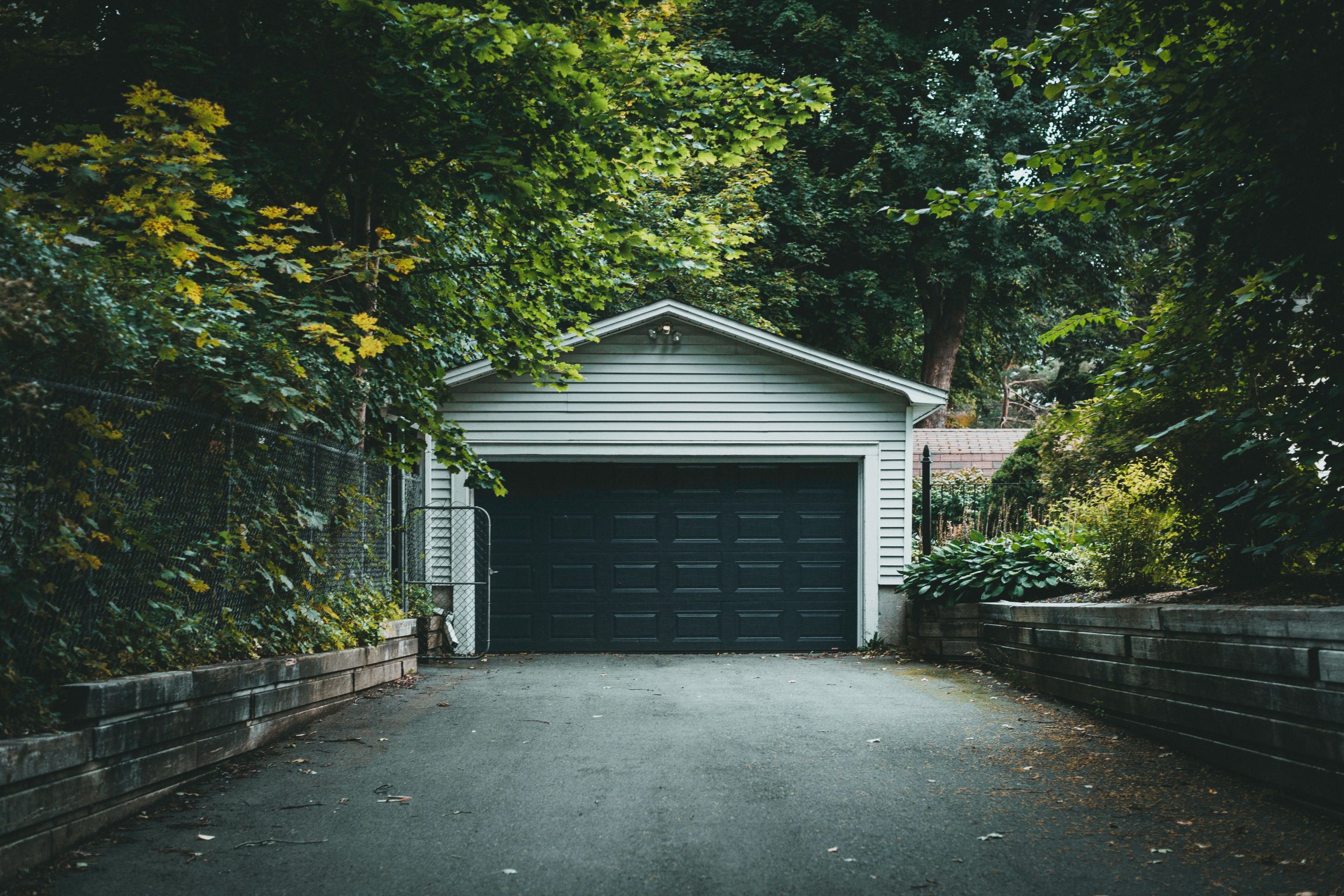
A driveway is supposed to make access easier. It can also make the most exposed parts of a home visible from the pavement: the cars, the garage door, deliveries waiting by the entrance and the side path leading towards the back garden.
Composite fencing can reduce that exposure by creating a denser, more consistent screen than many timber designs. It is not a magic security product, and it should not turn a front boundary into a blind wall. Used carefully, however, it can give a garage and driveway a clearer private edge while avoiding some of the painting, staining and rot concerns associated with timber.
Why driveways feel exposed
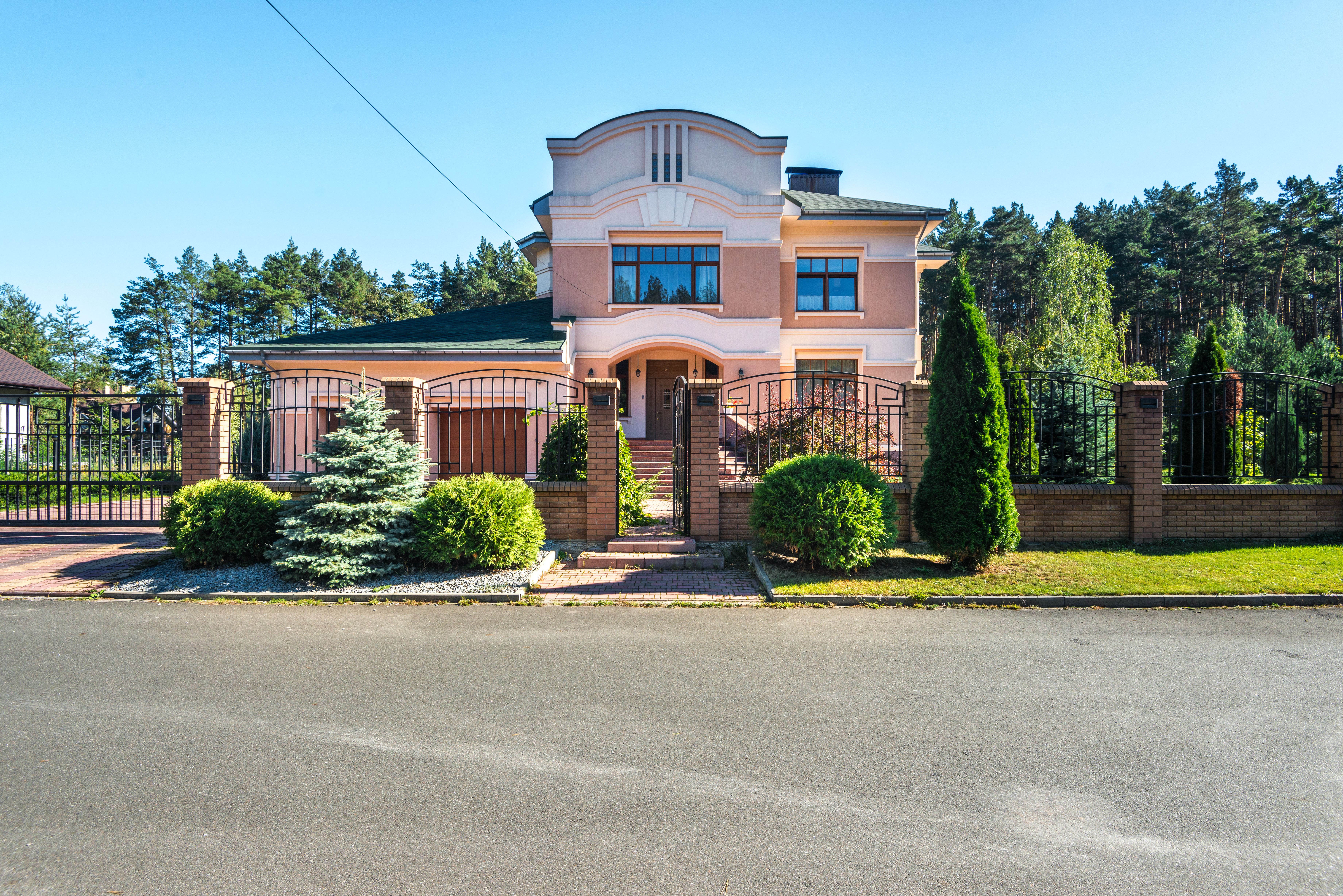
Privacy around a driveway is not only about stopping someone from looking into a window. It is also about controlling what can be seen from the street and what can be reached without crossing a clearly defined boundary.
Open railings and widely spaced timber boards may leave several everyday details on display:
- Whether a garage is occupied or empty.
- Which vehicles are normally parked at the property.
- Where bins, tools, bicycles or parcels are stored.
- Whether a side gate leads directly to the rear of the house.
A privacy fence changes that visual relationship. Instead of presenting the driveway as an extension of the pavement, it makes the entrance read as a private zone. That distinction can make the space feel calmer, even when the fence does not physically prevent access.
How composite fencing improves privacy
Composite fencing usually uses interlocking or closely fitted boards, often held between posts or slotted into channels. The reduced gaps are the main privacy benefit: a passer-by sees less of the driveway, while people using the house retain a more sheltered approach to the garage.
The material can also help privacy stay consistent over time. Timber boards may shrink, split, warp or lose their finish if maintenance is neglected. Composite boards still need sensible cleaning, but they are generally chosen because they do not require routine painting or staining. That matters around garages, where splashback from cars, road grit and damp corners can make frequent finishing work inconvenient.
There is a limit to what the material can do. A fence does not stop sound in the way a purpose-built acoustic barrier might, and it does not replace a lock, lighting or a properly secured gate. I would treat composite fencing primarily as a visual privacy and boundary-design measure, with secondary security benefits from reduced visibility.
The right layout matters more than the material
The strongest privacy result is rarely achieved by fencing the entire front garden with a tall, solid run. A more considered layout often works better: screen the vulnerable section beside the garage, continue the boundary along the side access, and keep enough open sightline near the vehicle entrance for safe manoeuvring.
| Layout | Privacy effect | Main trade-off |
|---|---|---|
| Short screen beside the garage | Hides the garage door, bins and side access from direct street views | Leaves more of the driveway open and usually preserves a lighter frontage |
| Full side boundary with a pedestrian gate | Creates a clear private route between the driveway and rear garden | Needs a well-fitted, lockable gate and careful treatment of the bottom gap |
| Driveway gate with matching side fencing | Controls both views and access at the main entrance | Requires space for gate movement, vehicle sightlines and dependable hardware |
These are design options rather than guarantees. The best choice depends on the road, the slope of the drive, neighbouring properties and whether vehicles must turn close to the boundary.
Planning rules and sightlines: privacy cannot come first every time
In England, the Planning Portal says a fence, wall or gate beside a highway used by vehicles generally falls within permitted development up to 1 metre high. Elsewhere, the usual permitted-development limit is 2 metres, subject to conditions such as listed-building status, conservation-area controls and local planning restrictions. Check the Planning Portal guidance on fences, gates and garden walls before ordering materials.
That rule is one reason front-driveway privacy needs a measured approach. A tall opaque panel may hide the garage, but it can also reduce visibility for people leaving the drive or walking along the pavement. A lower frontage, a set-back screen or a combination of solid panels and planting may provide a better balance.
Security guidance makes a similar distinction. Secured by Design recommends lower front boundaries for natural surveillance and more robust boundaries at the side and rear. Its advice on gates also stresses that a gate should be difficult to lift from its hinges and should be secured to the surrounding fence standard. In other words, privacy works best when it supports a visible, controlled entrance rather than creating a concealed recess.
Rules differ across the UK and can also be affected by title covenants, estate design codes and planning conditions. If the property is on a new-build development or in a conservation area, check those restrictions separately.
Installation details that protect privacy
A privacy board only performs as intended if the whole boundary is designed as a system. Posts, rails, boards, gates and the ground line all affect the size of the gaps that someone can see or reach through.
- Close the visual gaps: check joints between boards, posts and gate leaves from the pavement as well as from inside the property.
- Keep the bottom controlled: a large gap beneath the fence or gate can expose the driveway and create an easy reach-through point.
- Use stable posts: movement in the foundation can open joints and leave gates misaligned.
- Allow for movement: composite boards expand and contract with temperature, so installation gaps must follow the chosen system’s instructions.
- Protect drainage: do not trap standing water against boards, posts or the garage wall.
- Plan gate hardware: hinges, drop bolts, locks and stops should be accessible for maintenance but not easy to tamper with from the street.
Manufacturer instructions are not interchangeable. For example, one UK composite fencing installation guide specifies different butt-joint clearances at different temperatures and limits post spacing to its own system. That is a useful reminder not to mix boards, channels and posts simply because their dimensions look similar.
Composite fencing compared with timber
Timber remains a sensible choice when a homeowner wants a natural finish, easy on-site alterations or a lower initial material cost. It can also be repaired board by board, depending on the design. Composite is more attractive where the priority is a stable-looking, low-finish boundary beside a driveway that receives dirt and weather exposure.
That does not mean composite is maintenance-free. It can collect algae, dust and traffic film, particularly in shaded or poorly drained areas. Cleaning should normally be gentle and compatible with the manufacturer’s surface instructions. The UK installation guidance published by Cladco, for instance, warns against harsh chemicals and abrasive tools and explains that capped boards may still experience some initial colour stabilisation.
There is also a design cost: composite systems often rely on proprietary posts and channels, so a damaged section may be less straightforward to match than a standard timber board. Before choosing, ask how replacement boards are supplied and whether the colour or profile is likely to remain available.
The same visual logic applies to adjacent outdoor surfaces. If the driveway leads into a patio or covered seating area, a restrained material palette can prevent the boundary from looking like an unrelated add-on; for example, homeowners sometimes compare fence tones with options such as aluminium decking when planning the wider outdoor space. The point is coordination, not buying a particular product.
A practical driveway privacy checklist
Before finalising the fence line, stand on the pavement and repeat the exercise from the driver’s seat. Look for the things the finished boundary should hide, then check that hiding them will not create a safety problem.
- Mark the exact areas that need screening: garage door, bins, side path or parked vehicles.
- Measure the distance from the boundary to the road, pavement and garage entrance.
- Check whether a taller structure would need planning permission or other consent.
- Choose whether the gate should open inwards and where it can stop without obstructing a vehicle.
- Specify a board arrangement that offers privacy without making climbing or tampering easier.
- Confirm post foundations, drainage and expansion gaps before installation.
- Keep lighting aimed at the approach and gate, not directly into a neighbour’s windows.
- Ask about replacement parts, cleaning products and warranty conditions.
A particularly practical compromise is a targeted screen: solid composite fencing beside the garage and along the side passage, paired with a lower or more open treatment at the road-facing edge. It protects the parts of the property that need privacy while keeping the entrance legible to visitors, neighbours and anyone using the pavement.
Frequently Asked Questions
Where privacy should stop
The best driveway fence is not the one that hides the most at any cost. It is the one that conceals the garage and side access, marks the point where private space begins, and still lets people understand how the entrance works.
Composite fencing is well suited to that middle ground. Use it in focused sections, install it with attention to joints and drainage, and treat the gate and sightlines as part of the same design. The result is more likely to feel private without becoming defensive, dark or awkward to use.
